01 / 11
Concept Design
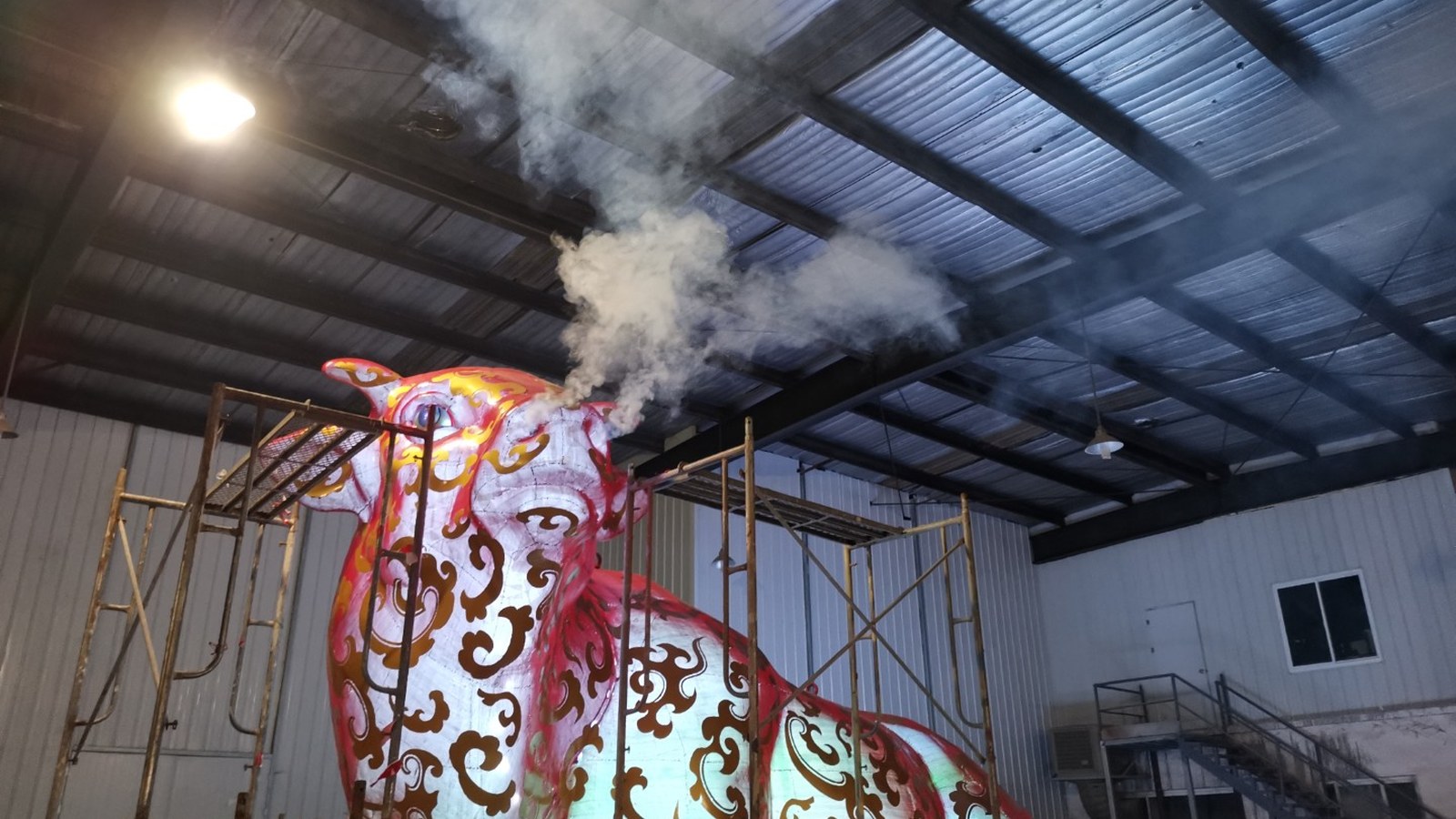
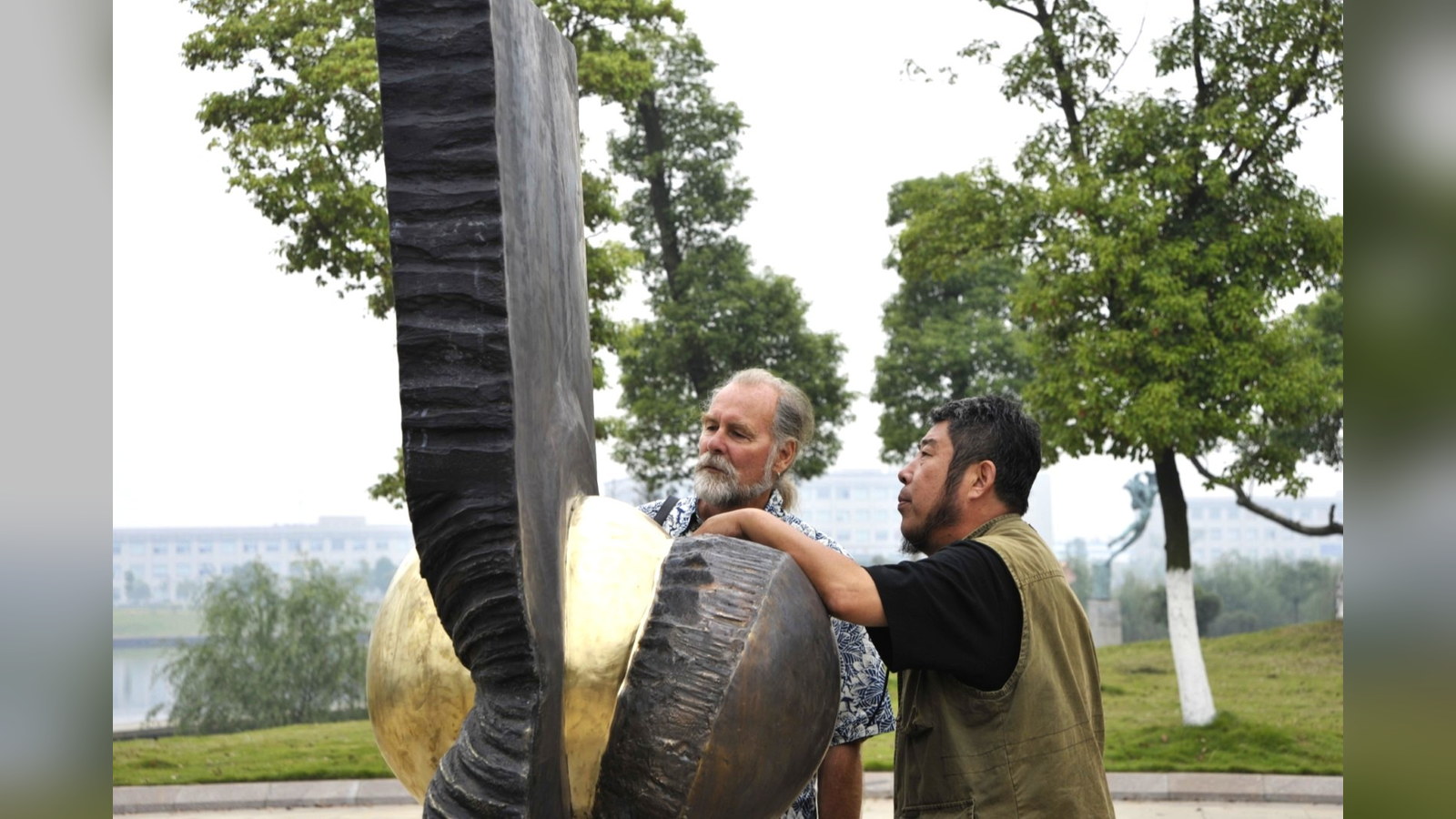
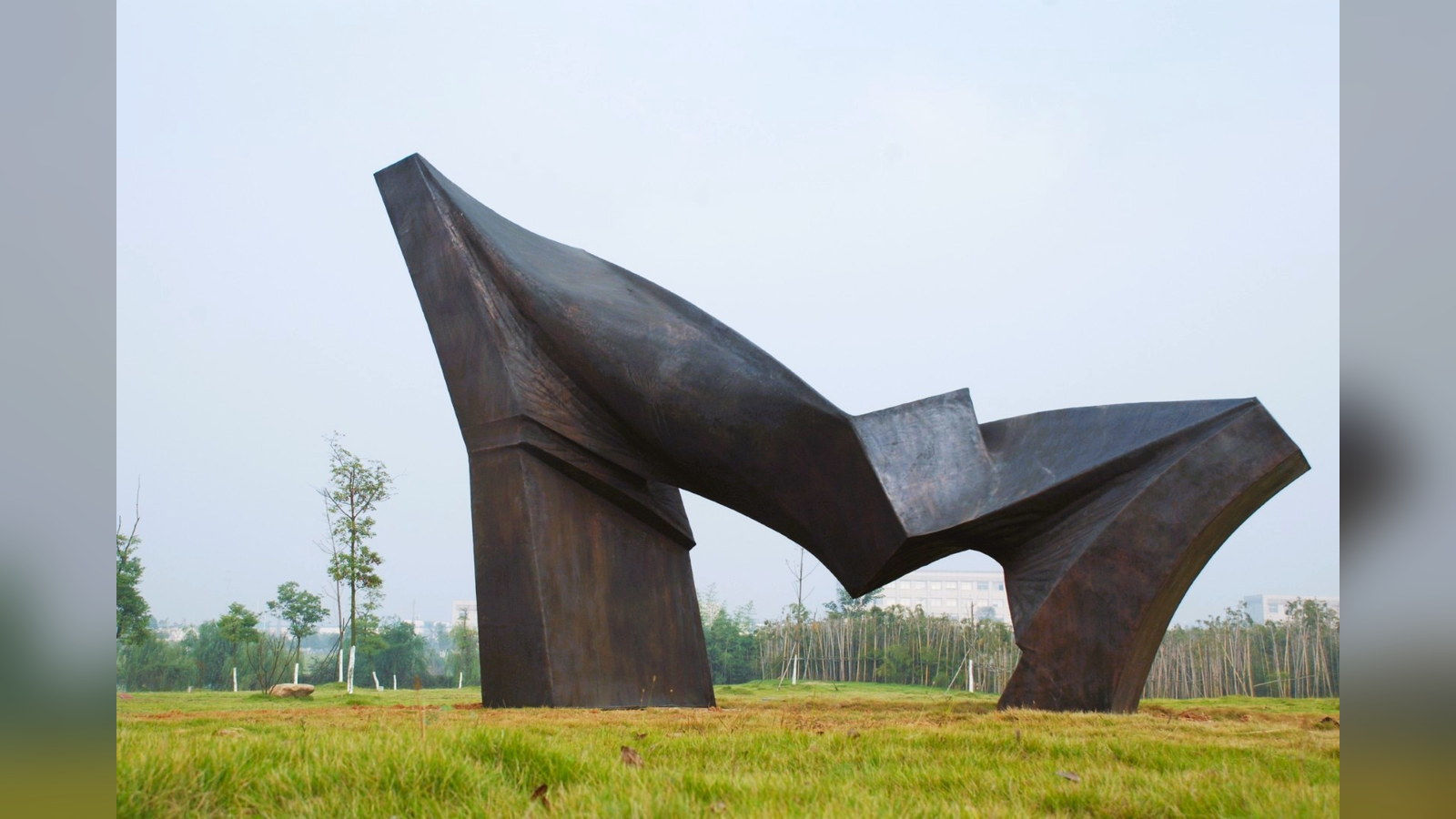
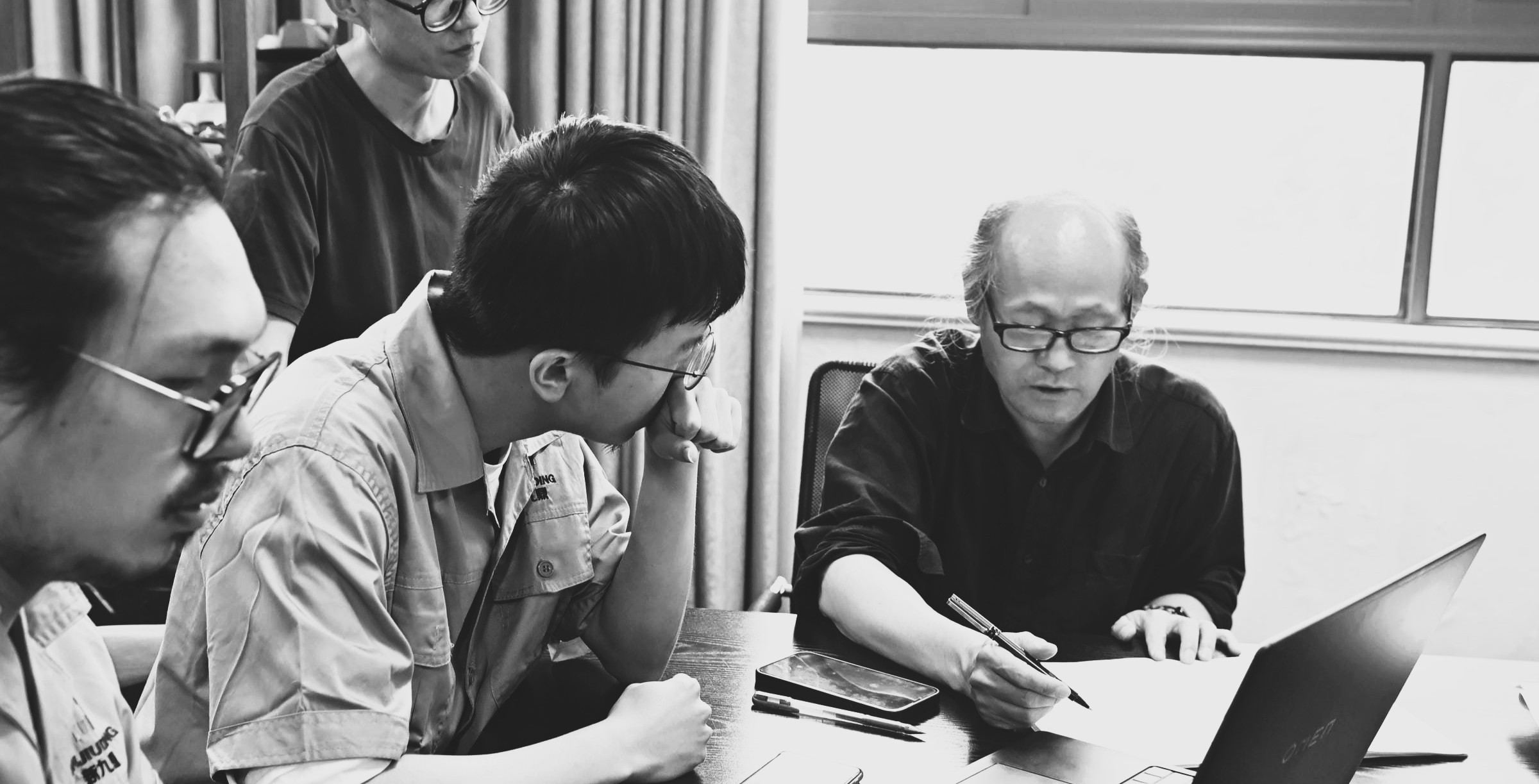
We translate artistic intent, references and project requirements into a clear creative direction for development and production.

WHAT WE DO
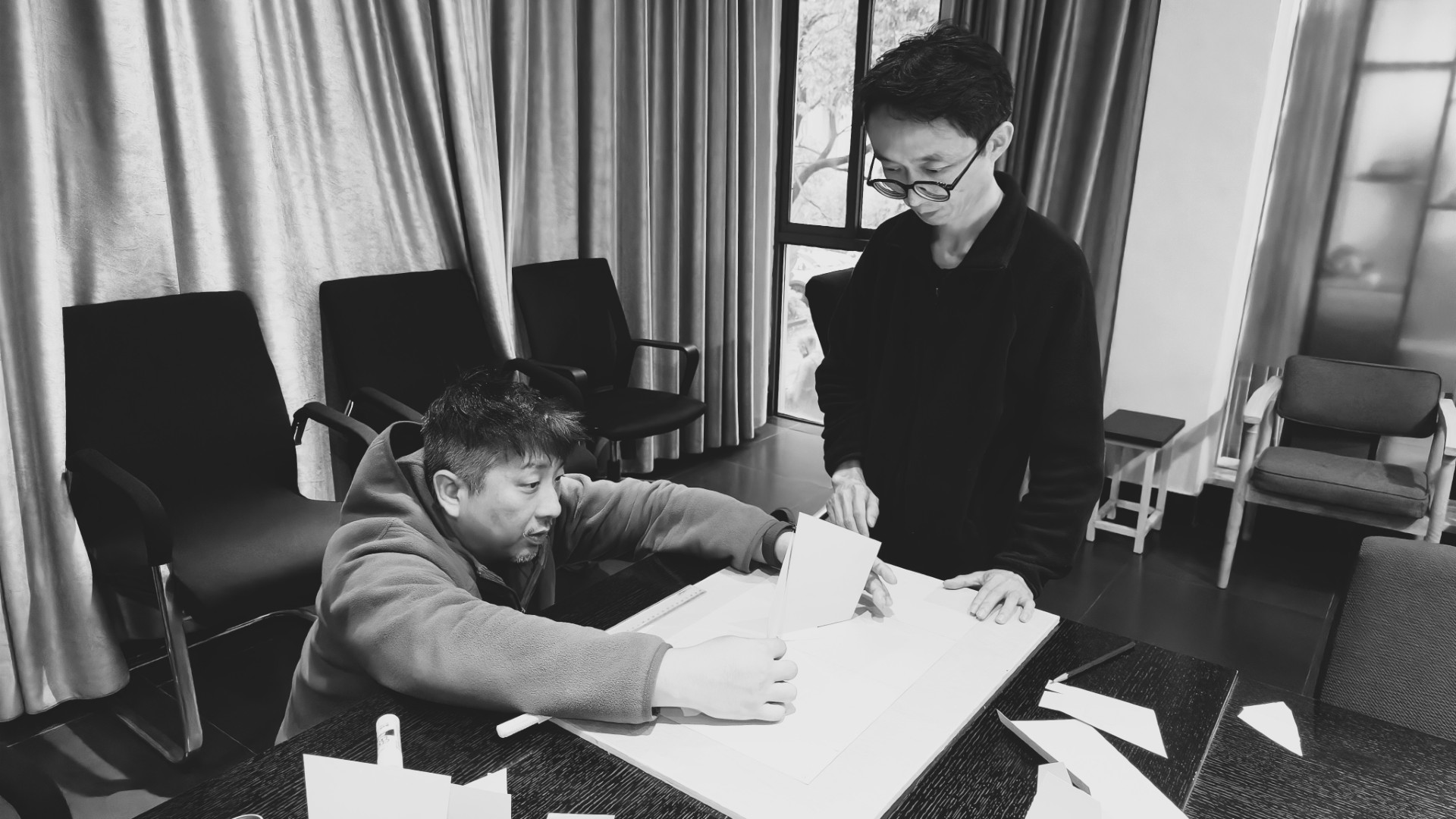
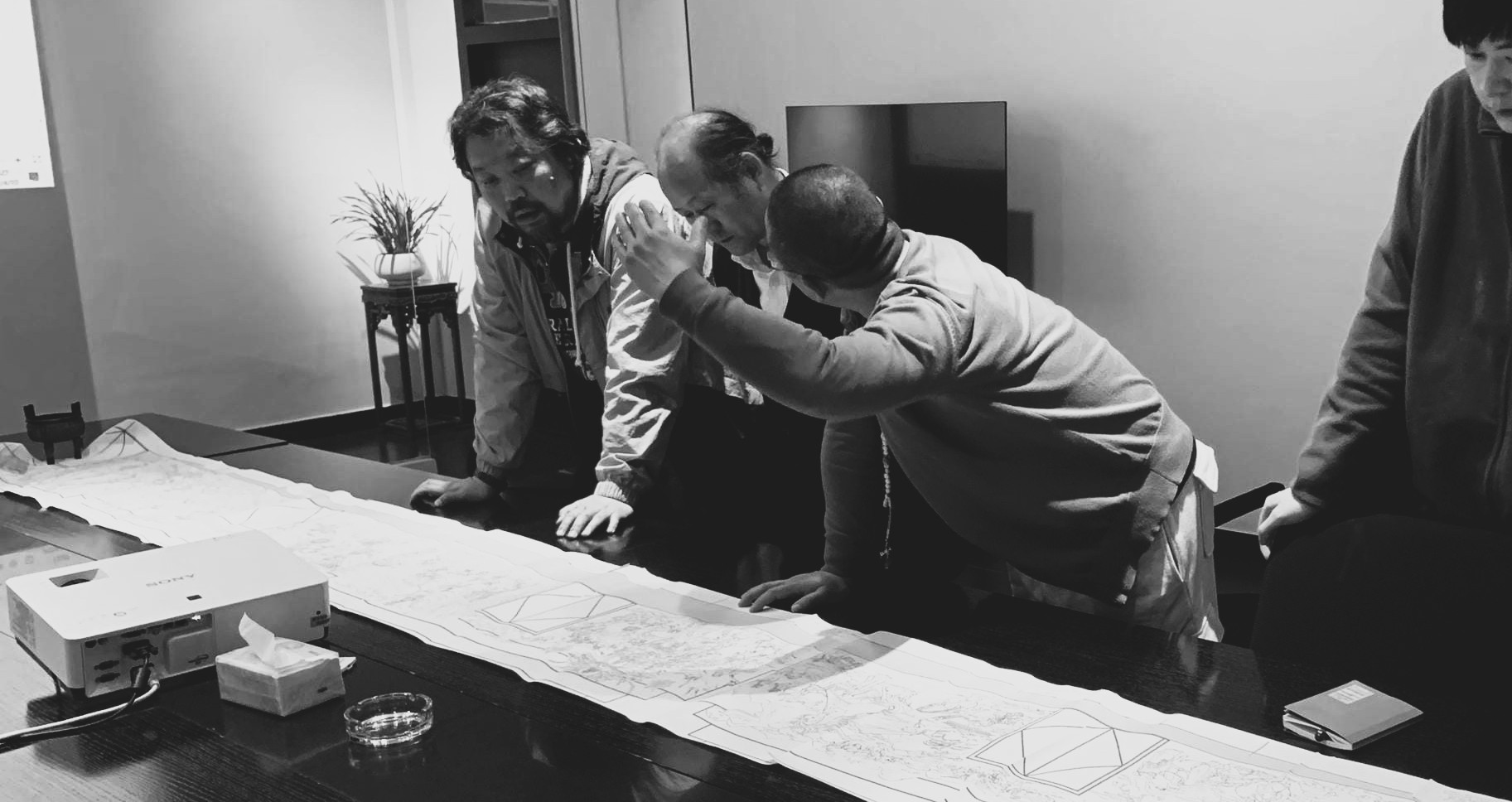
Integrated expertise from design development and model making to casting, finishing and installation.
01 / 11
We translate artistic intent, references and project requirements into a clear creative direction for development and production.
02 / 11
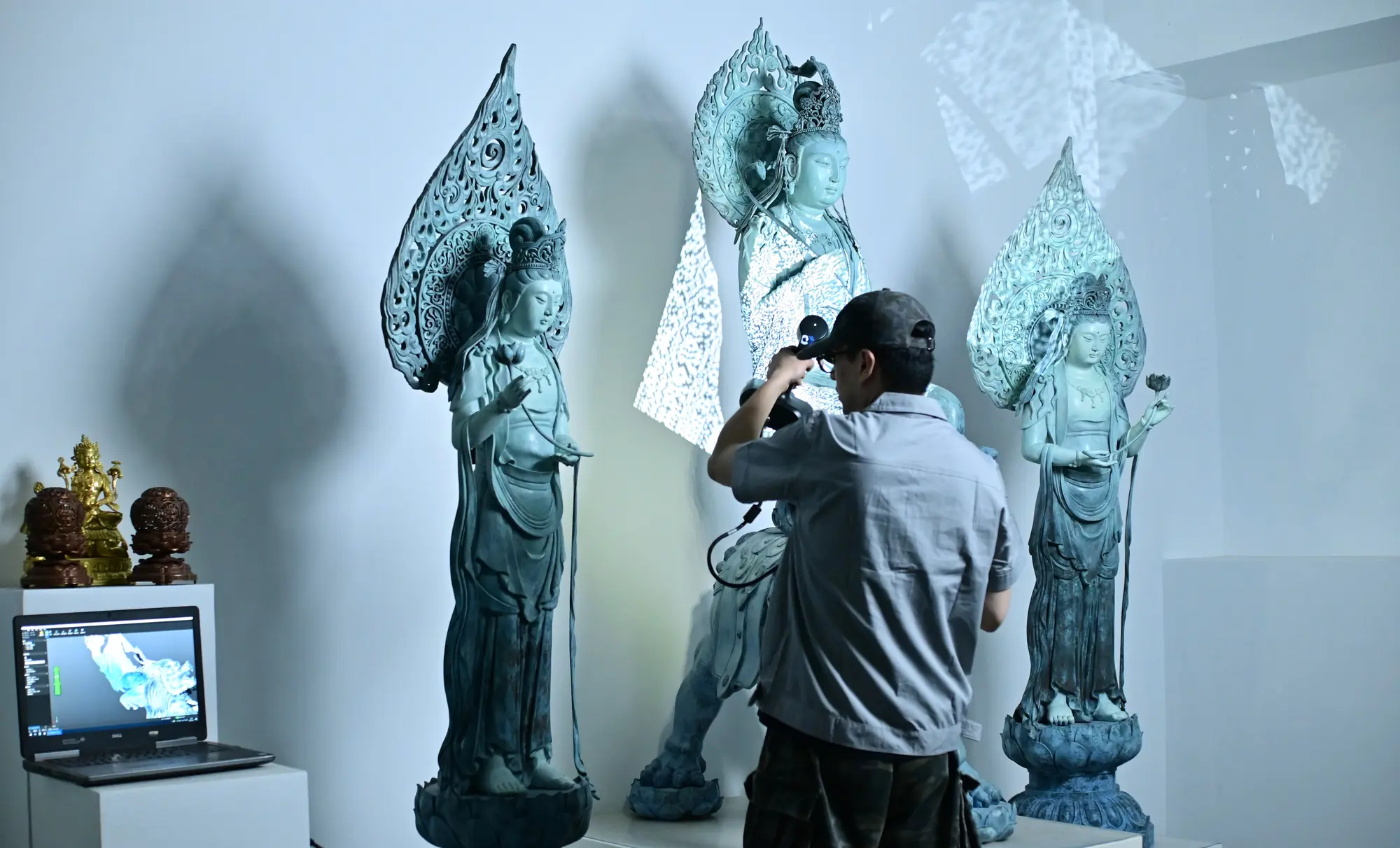
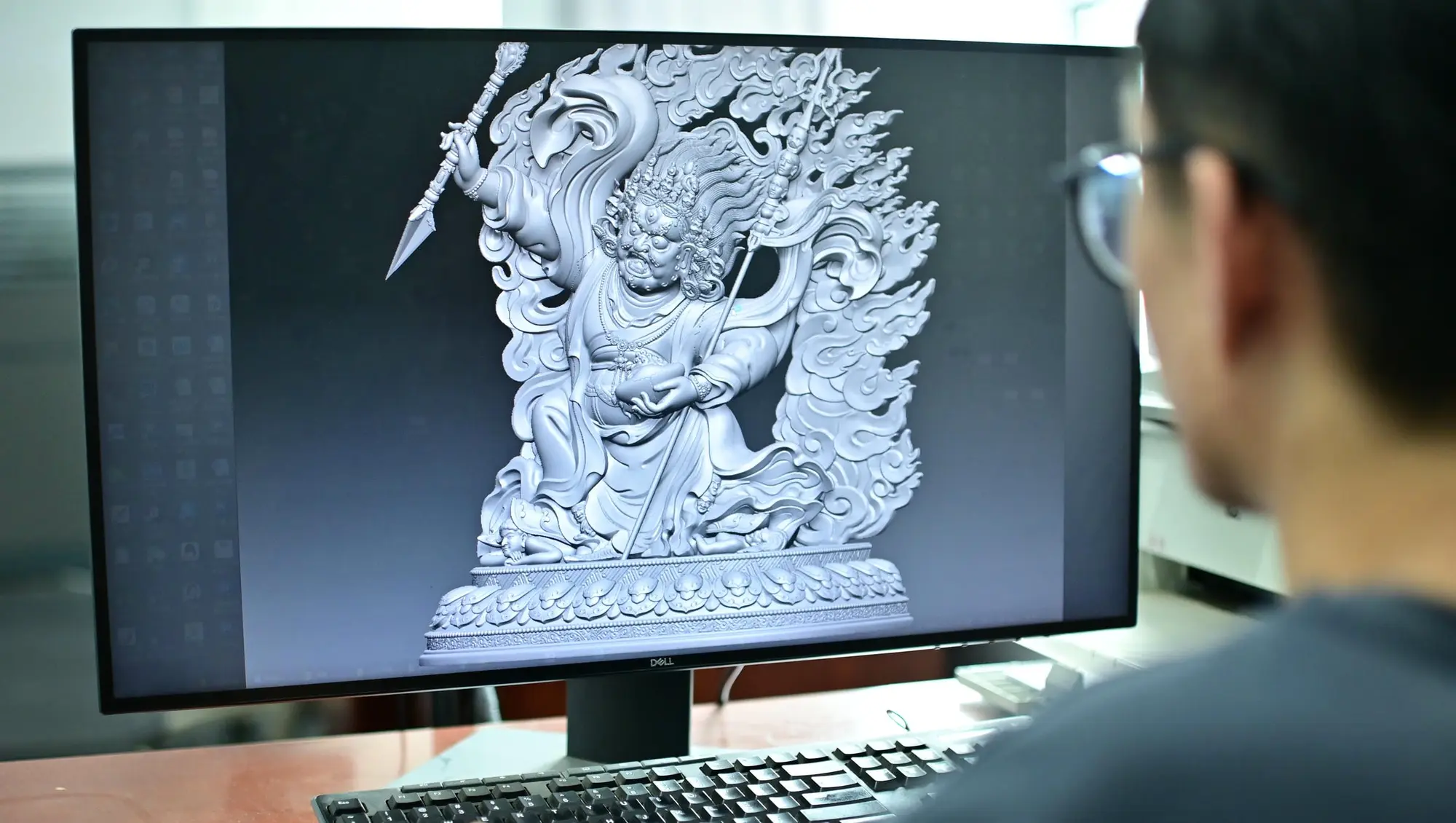
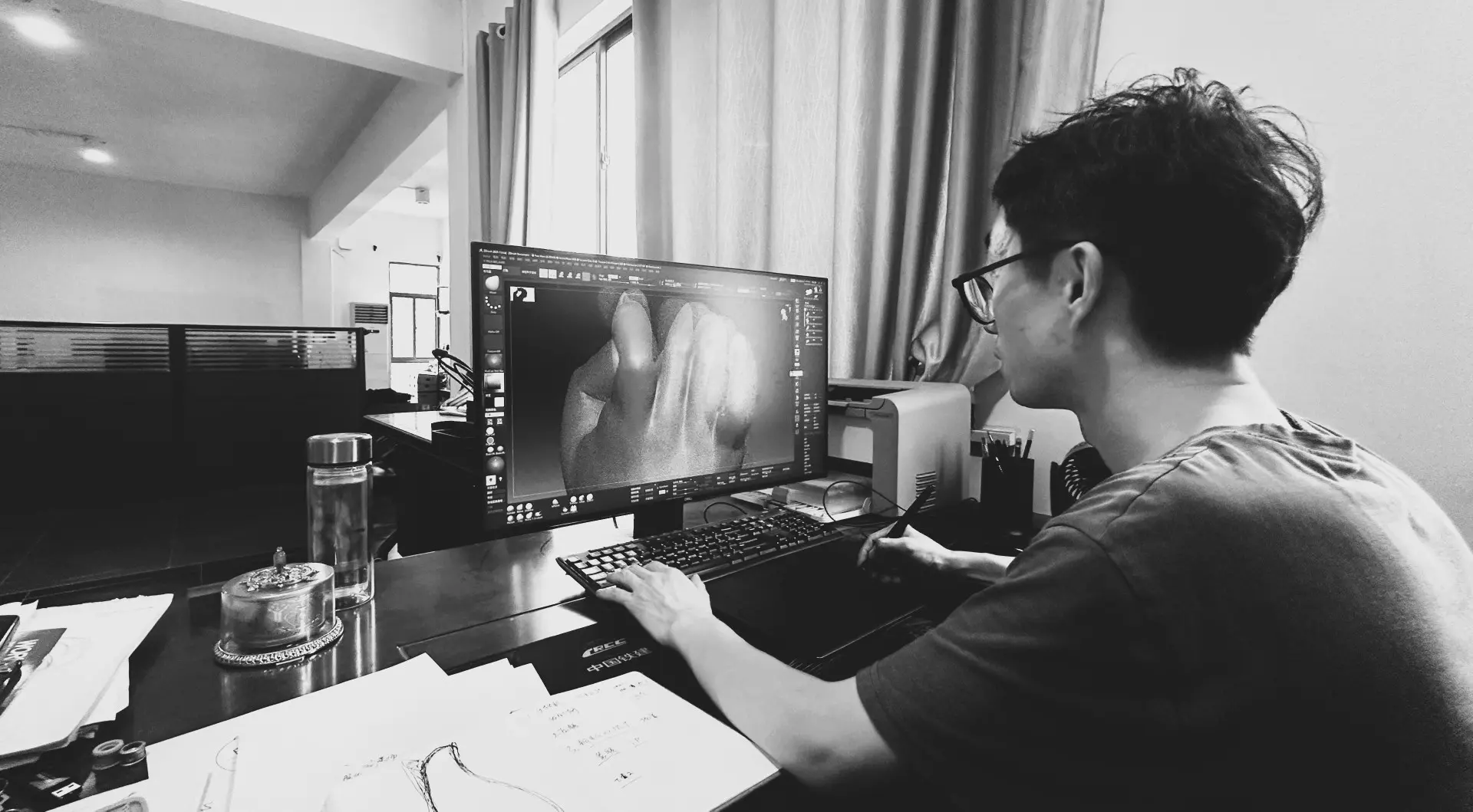
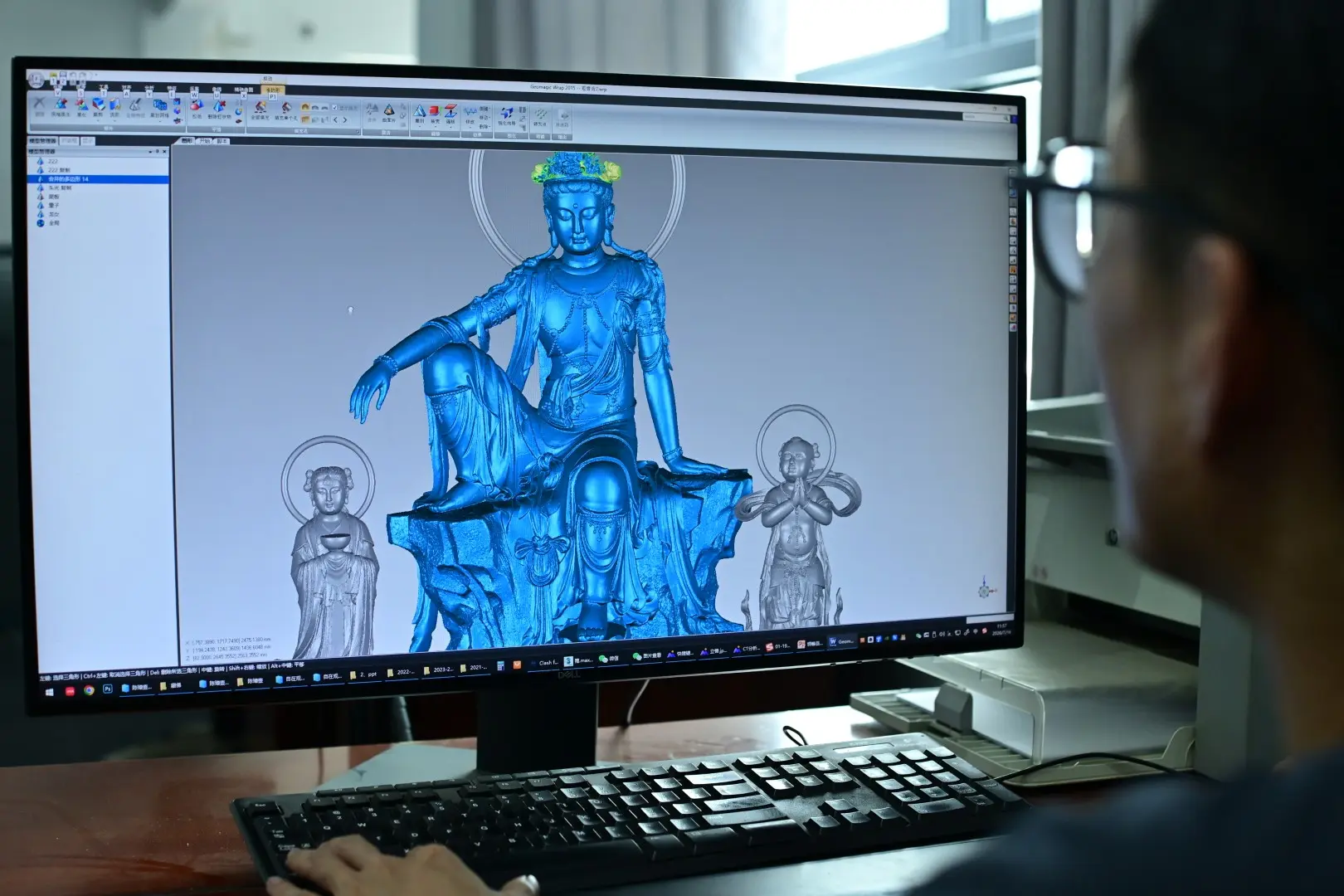
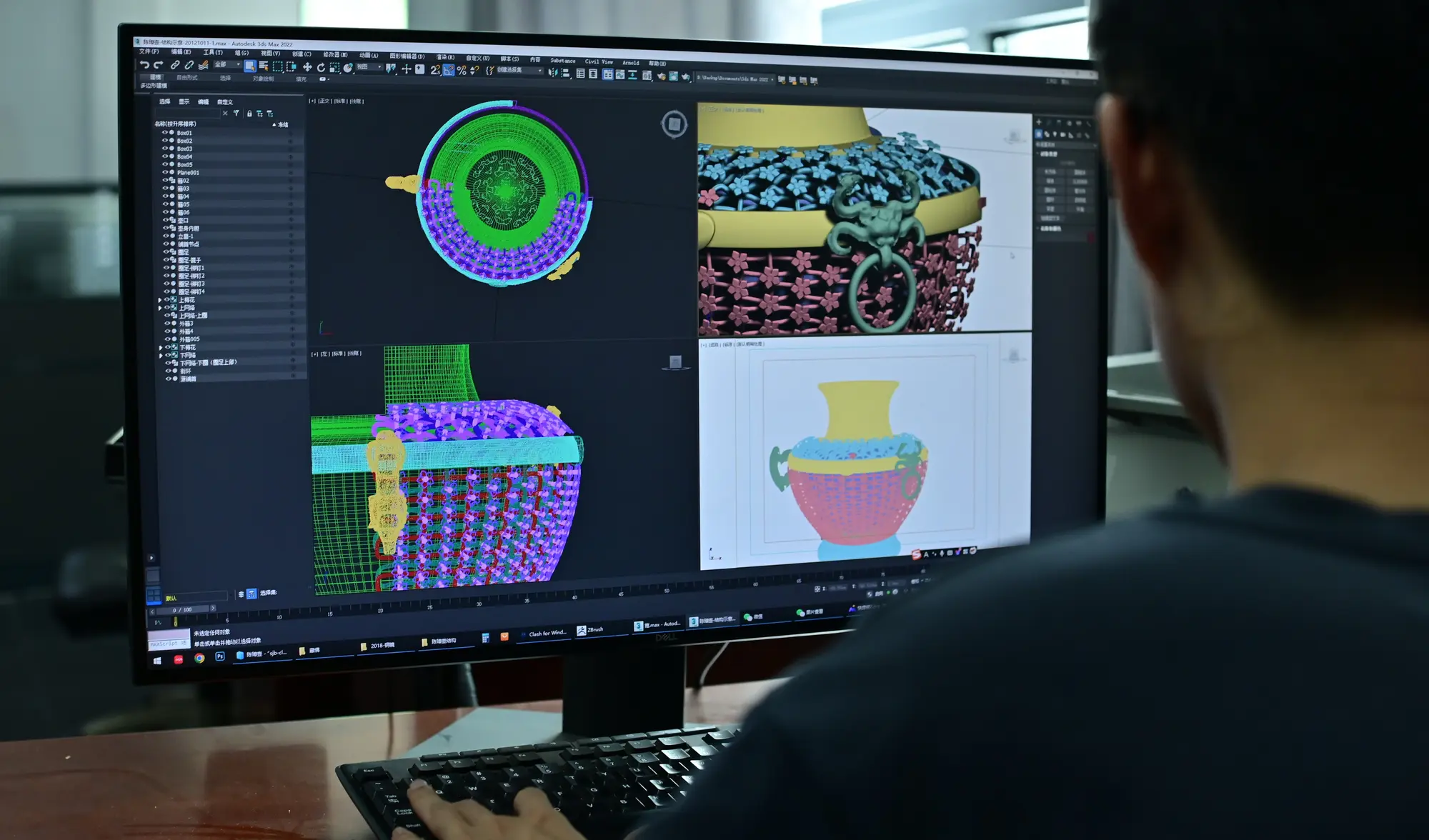
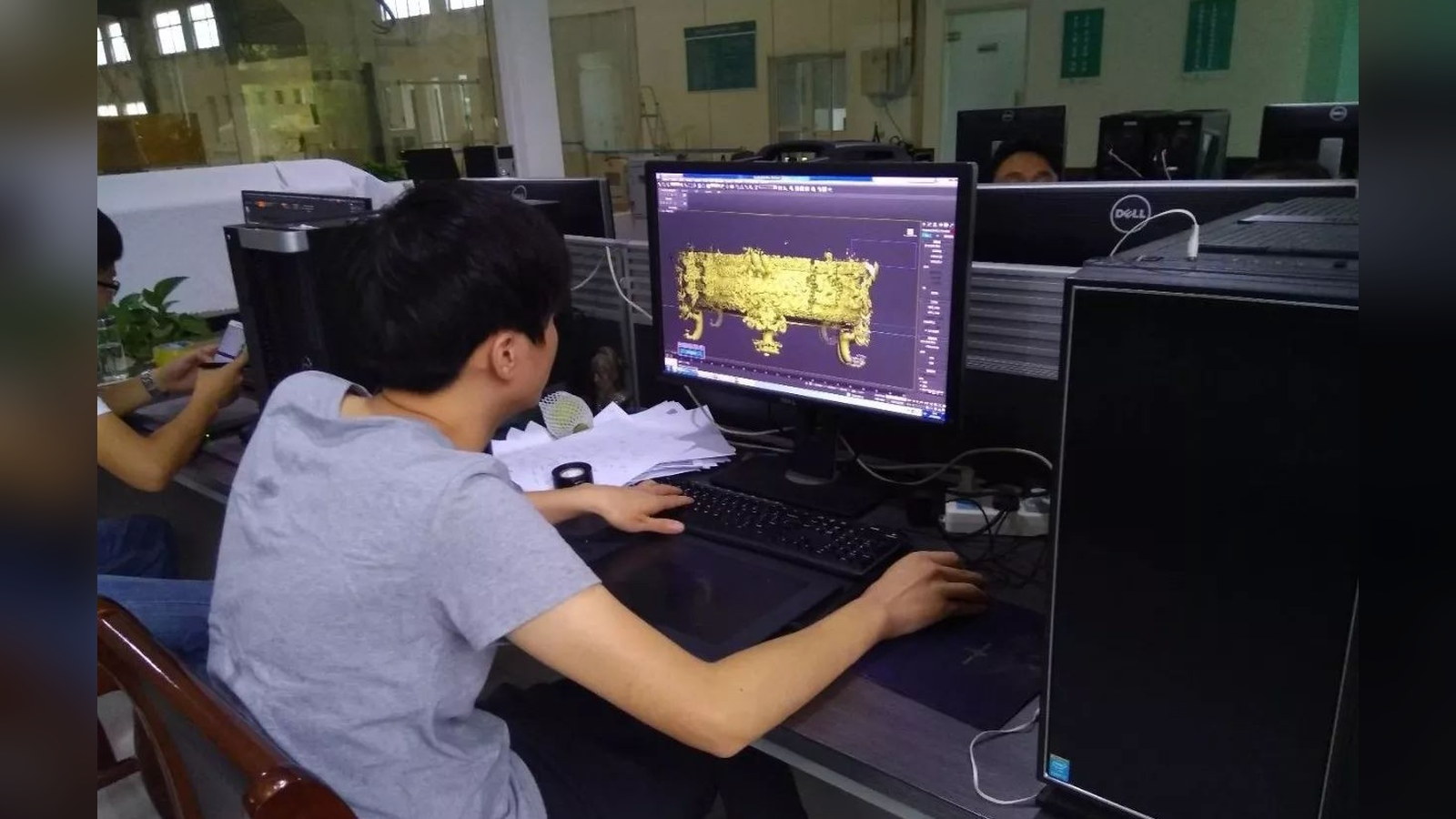
Accurate digital capture, modelling and visualisation support design review, scaling and production planning.
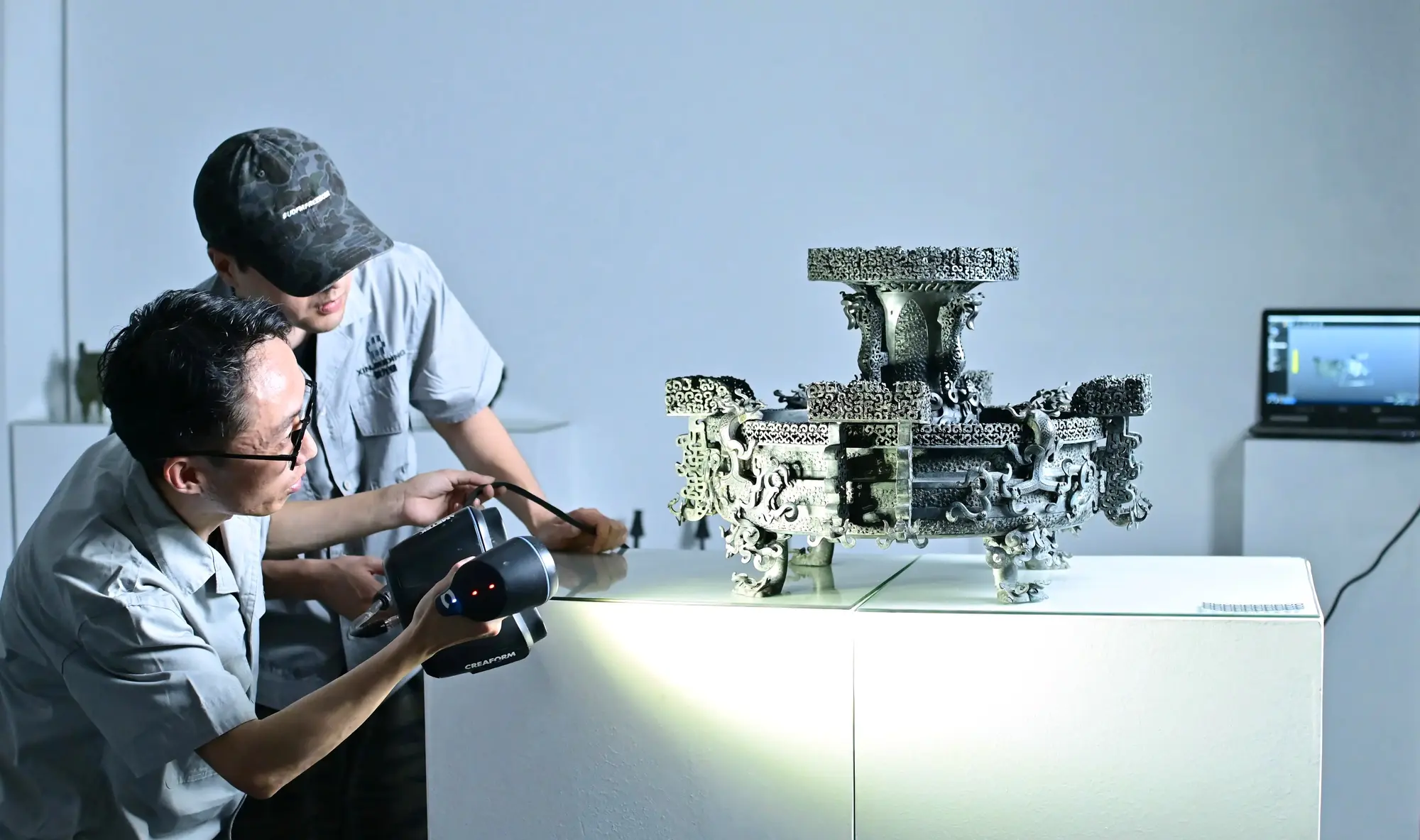
High-accuracy scanning translates physical form and surface detail into reliable digital data for design, analysis and production.
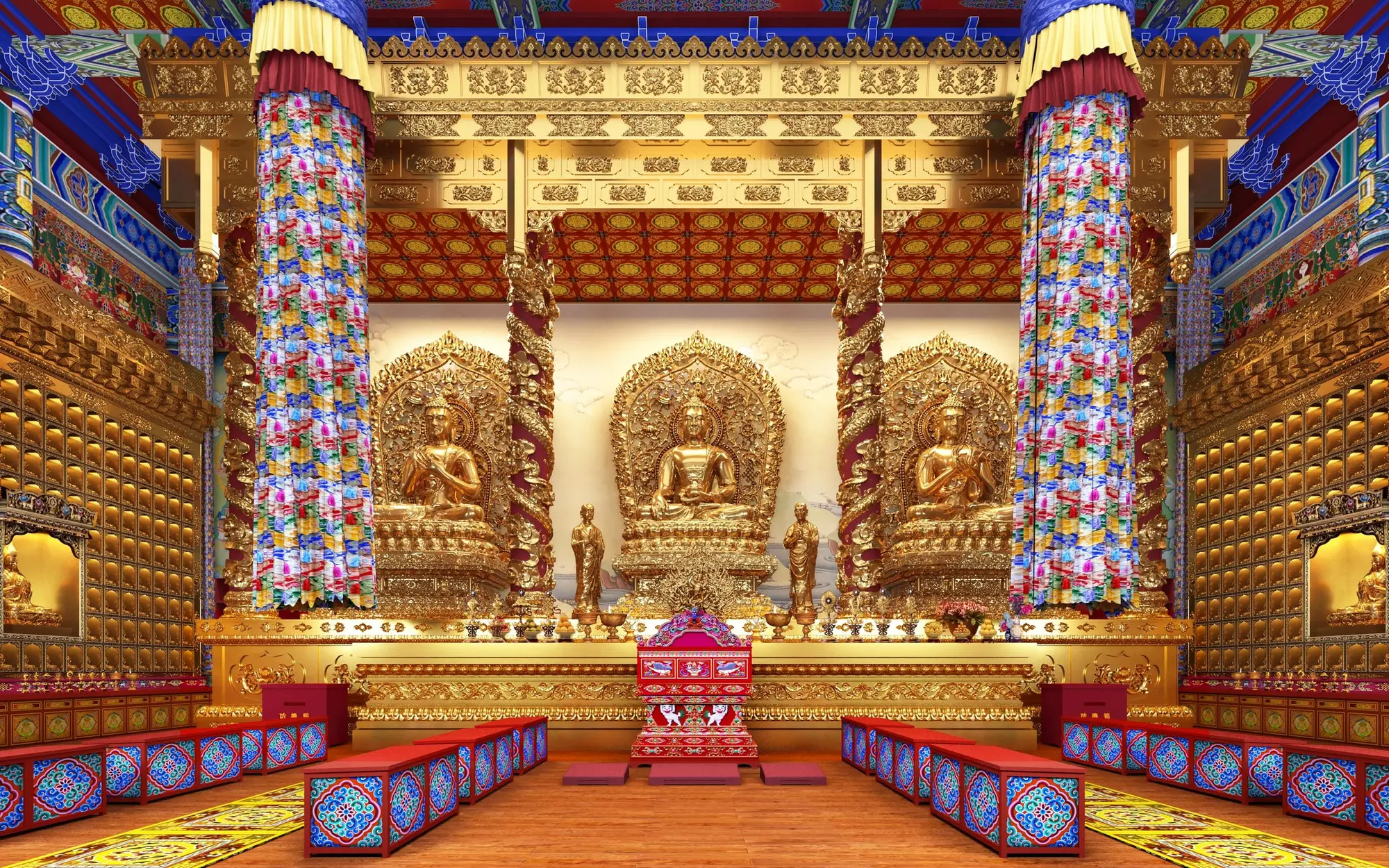
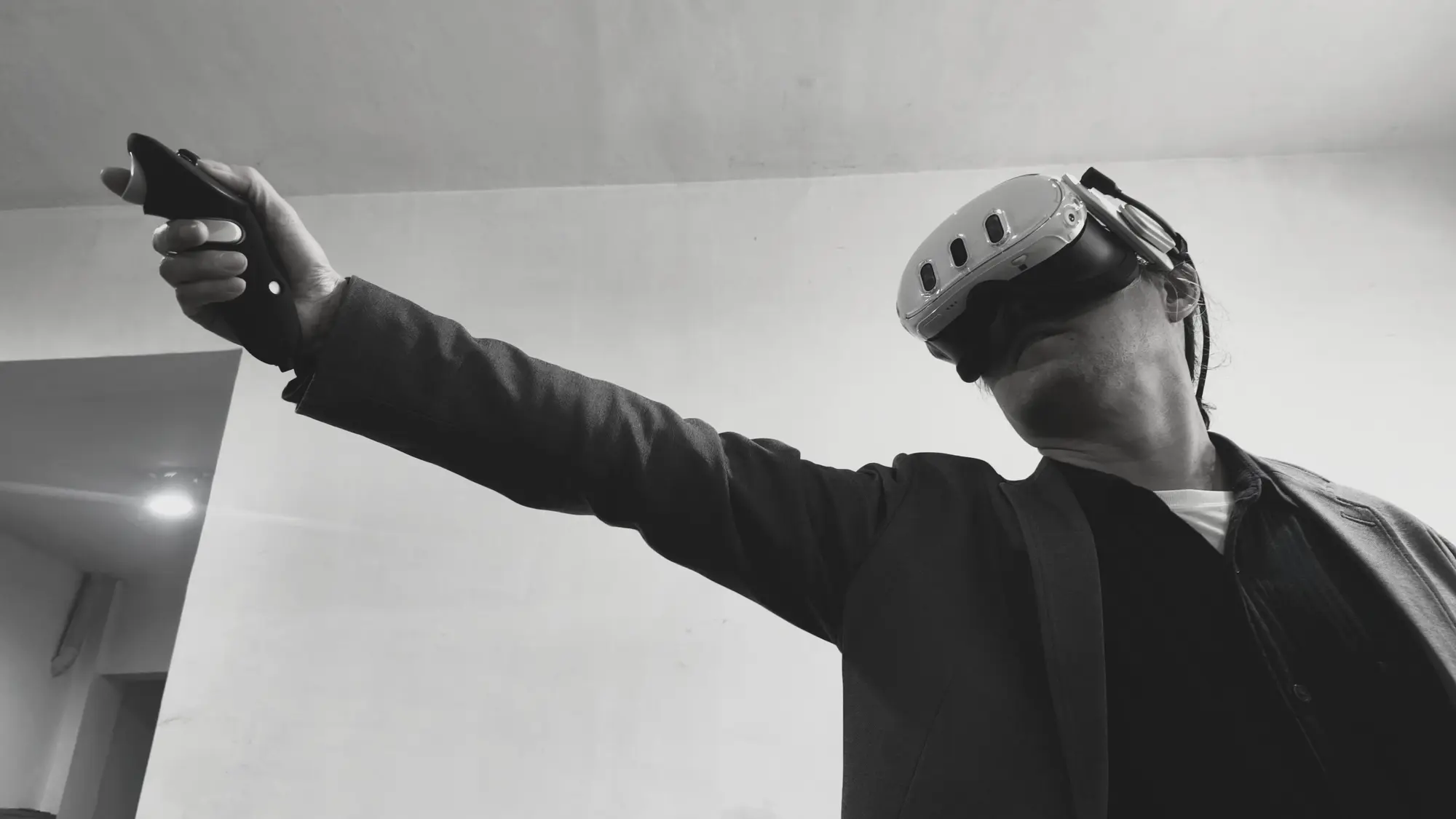
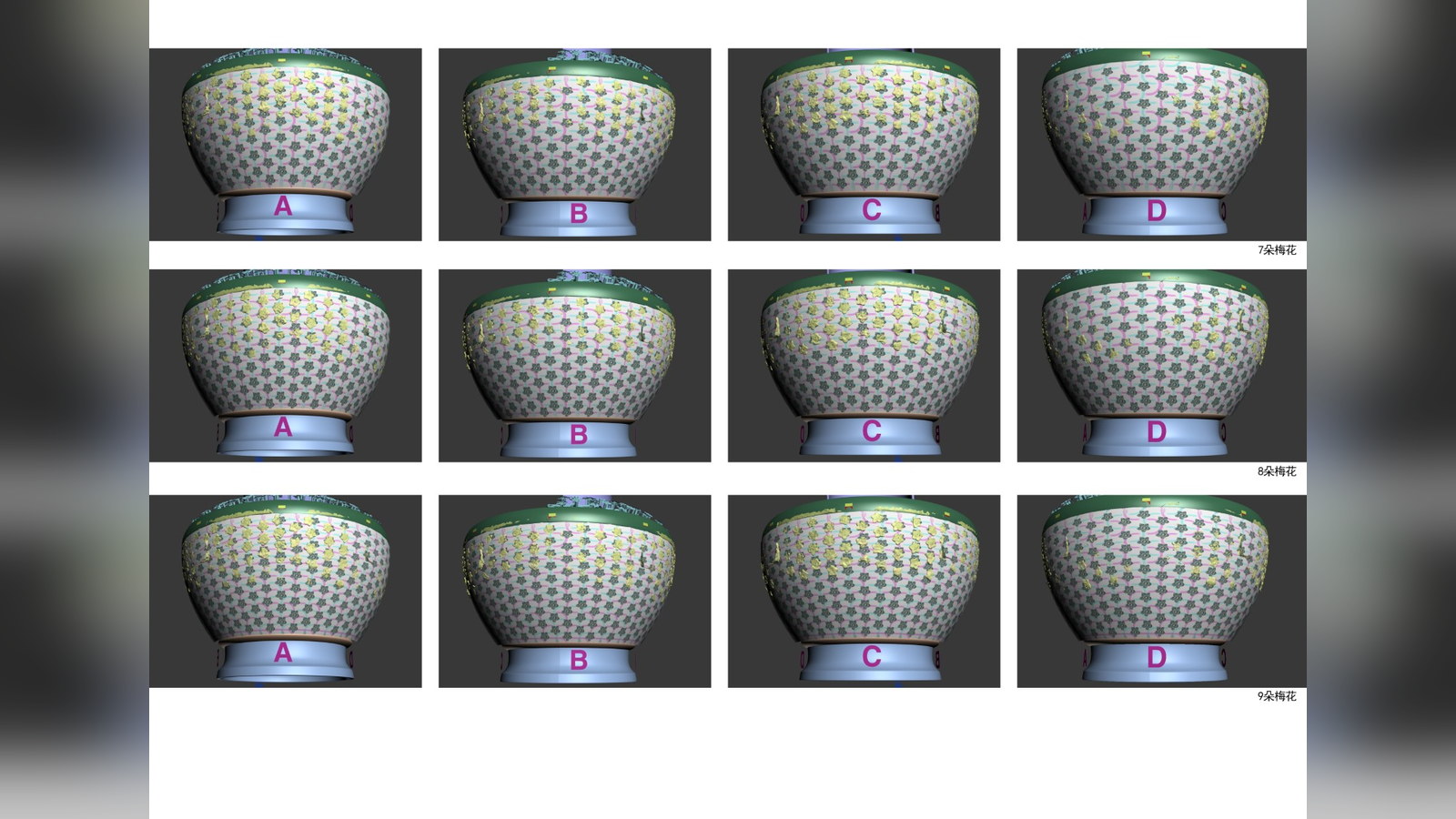
Sculptural and spatial concepts are developed, refined and reviewed through detailed 3D models and immersive visualisation.
Fragmented or incomplete forms are digitally analysed and reconstructed to guide conservation, interpretation and precise making.
03 / 11
Physical and digitally produced models turn approved designs into tangible forms for review, enlargement and manufacture.
Hand-shaped physical models developed through direct observation, proportion control and close surface refinement.
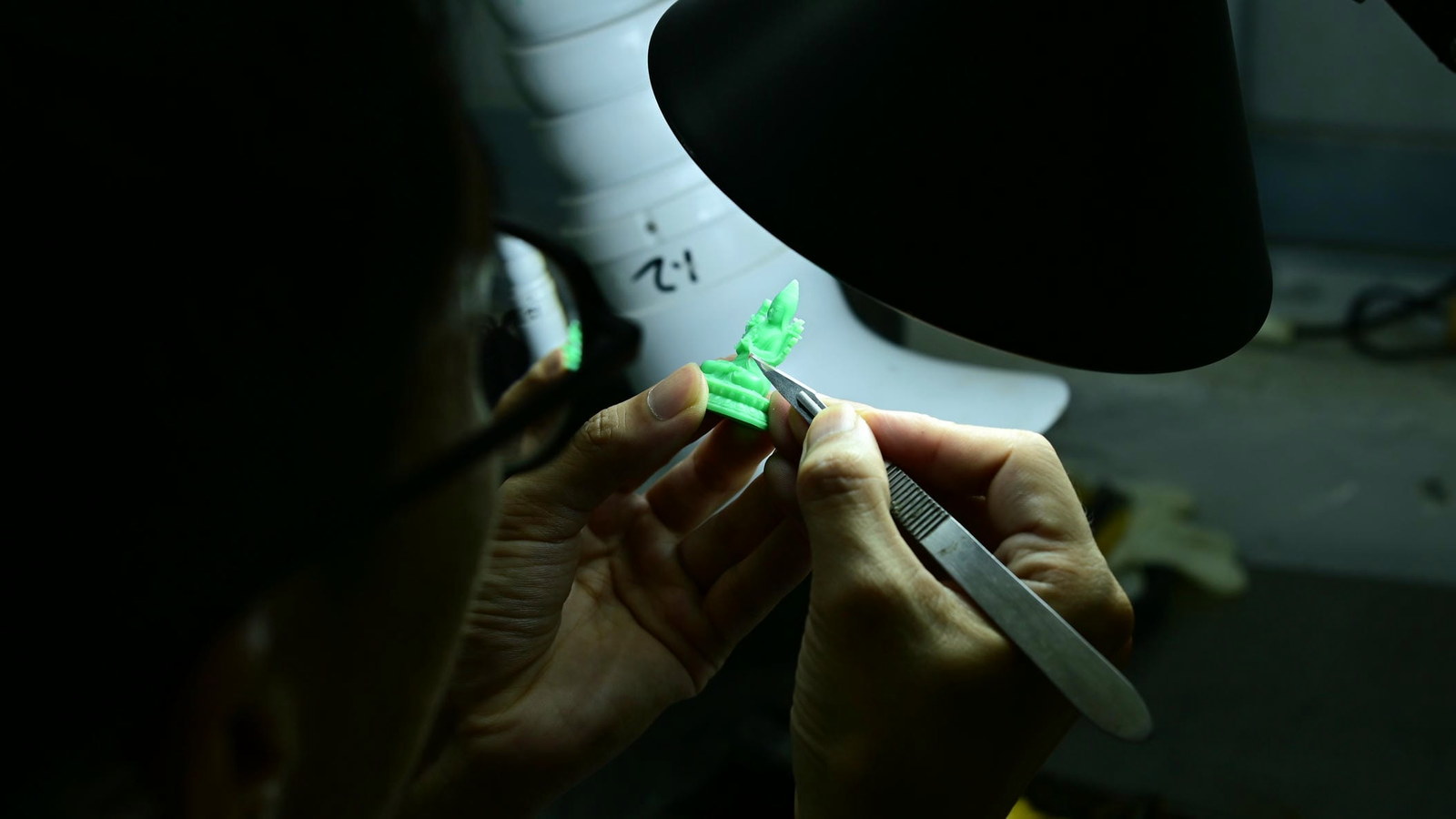
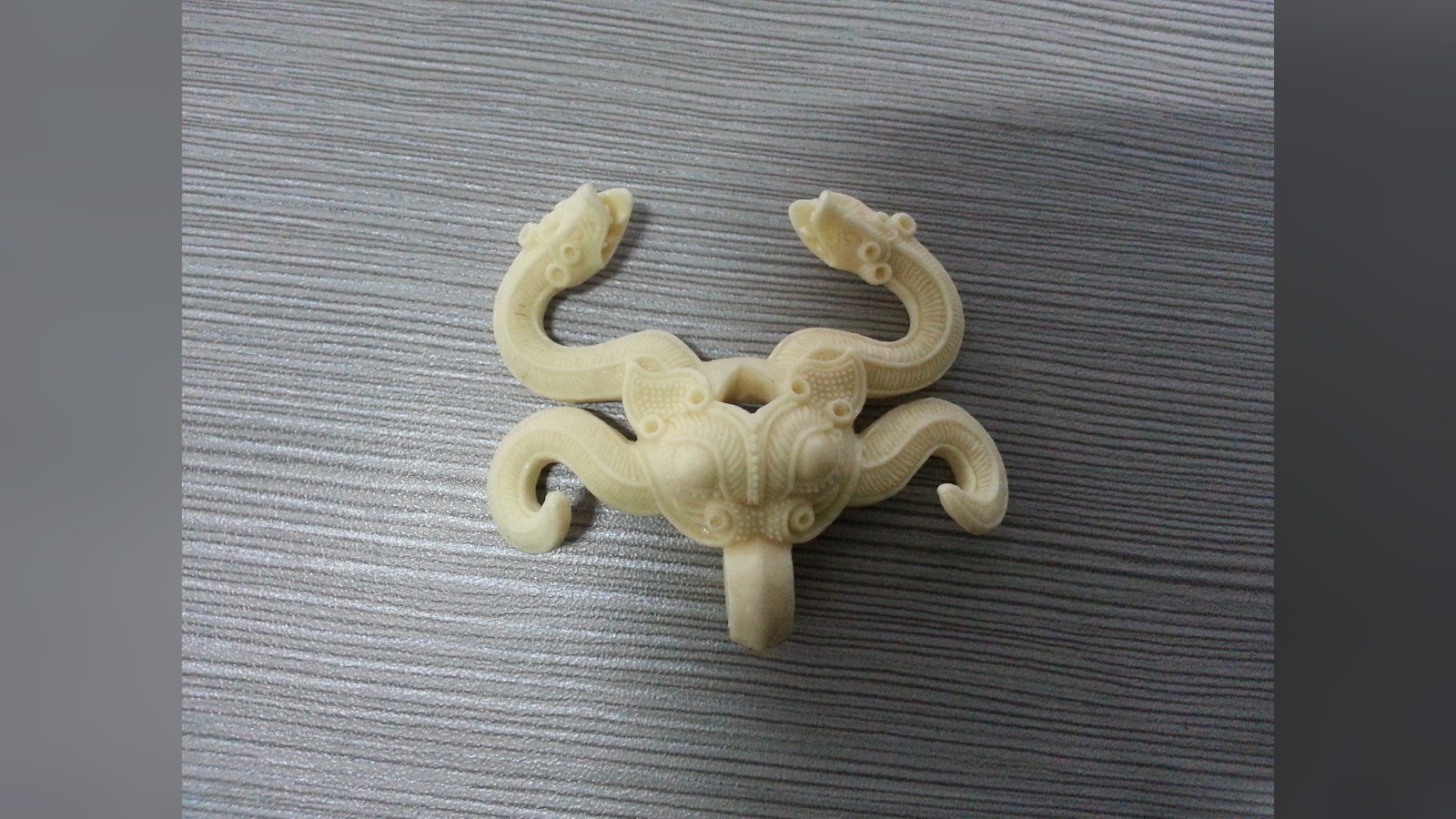
Digital files are translated into physical reference models, followed by inspection and careful manual finishing where required.
Robotic machining enlarges digital forms into physical models, while operators supervise scale, toolpaths and surface development.
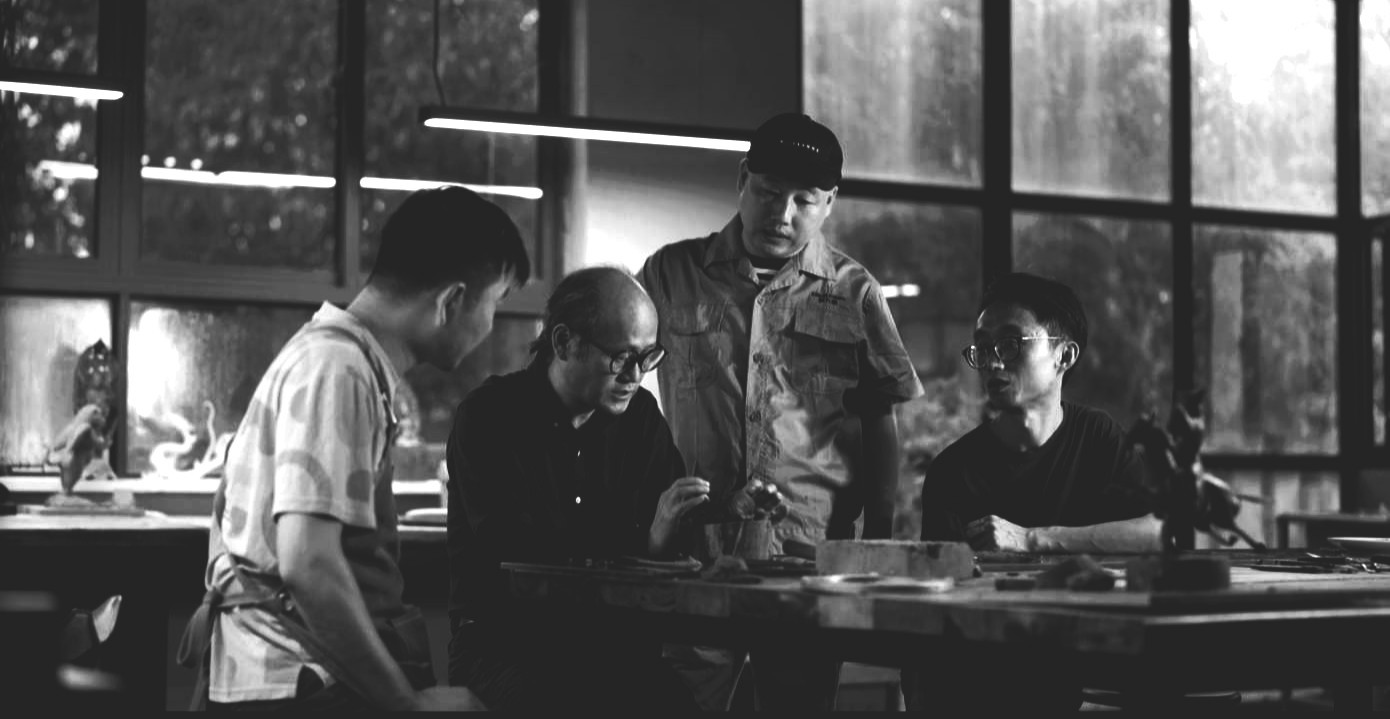
Monumental models are developed at full scale, with artists and craftspeople refining mass, gesture and surface directly in the workshop.
04 / 11
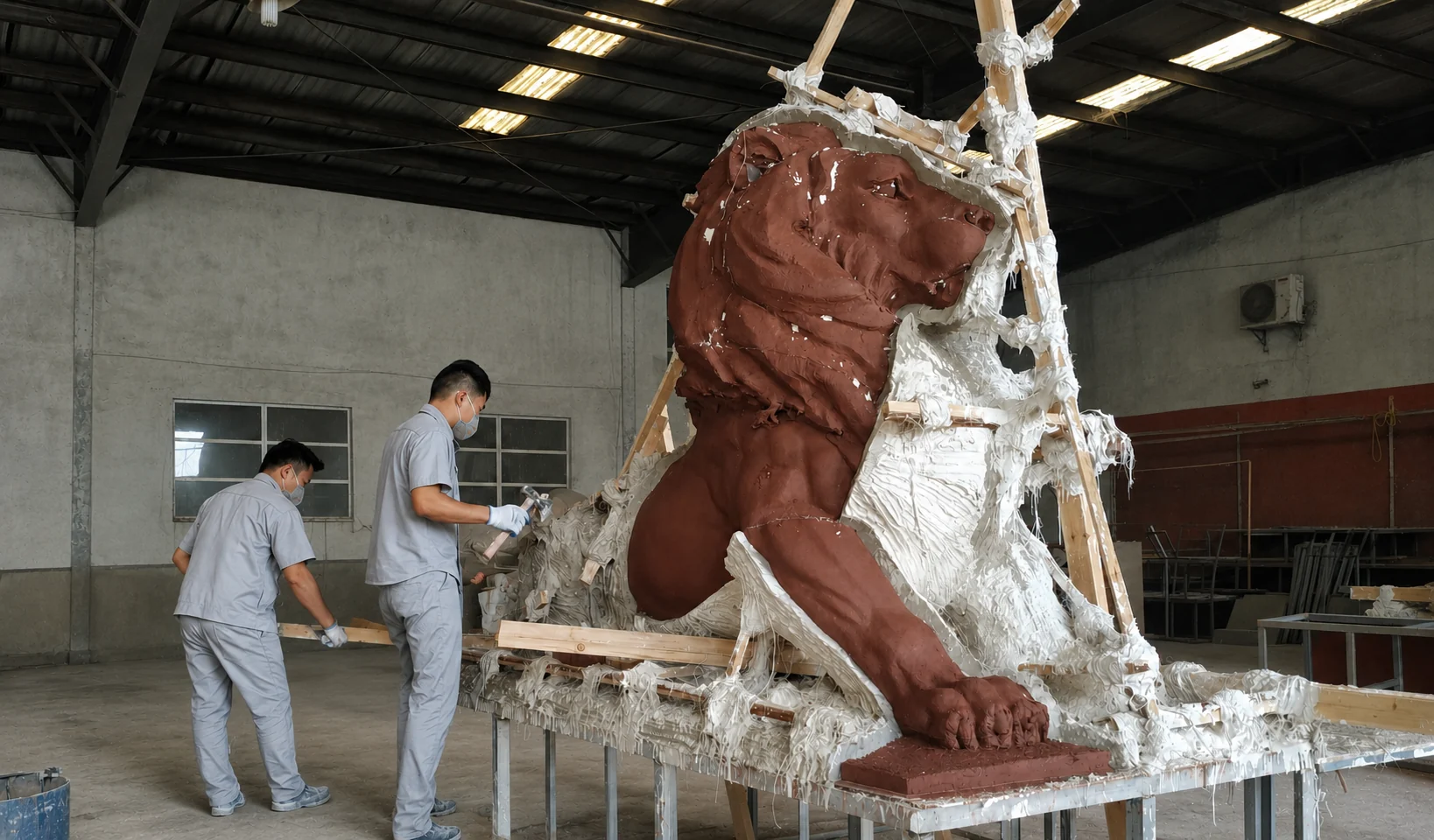
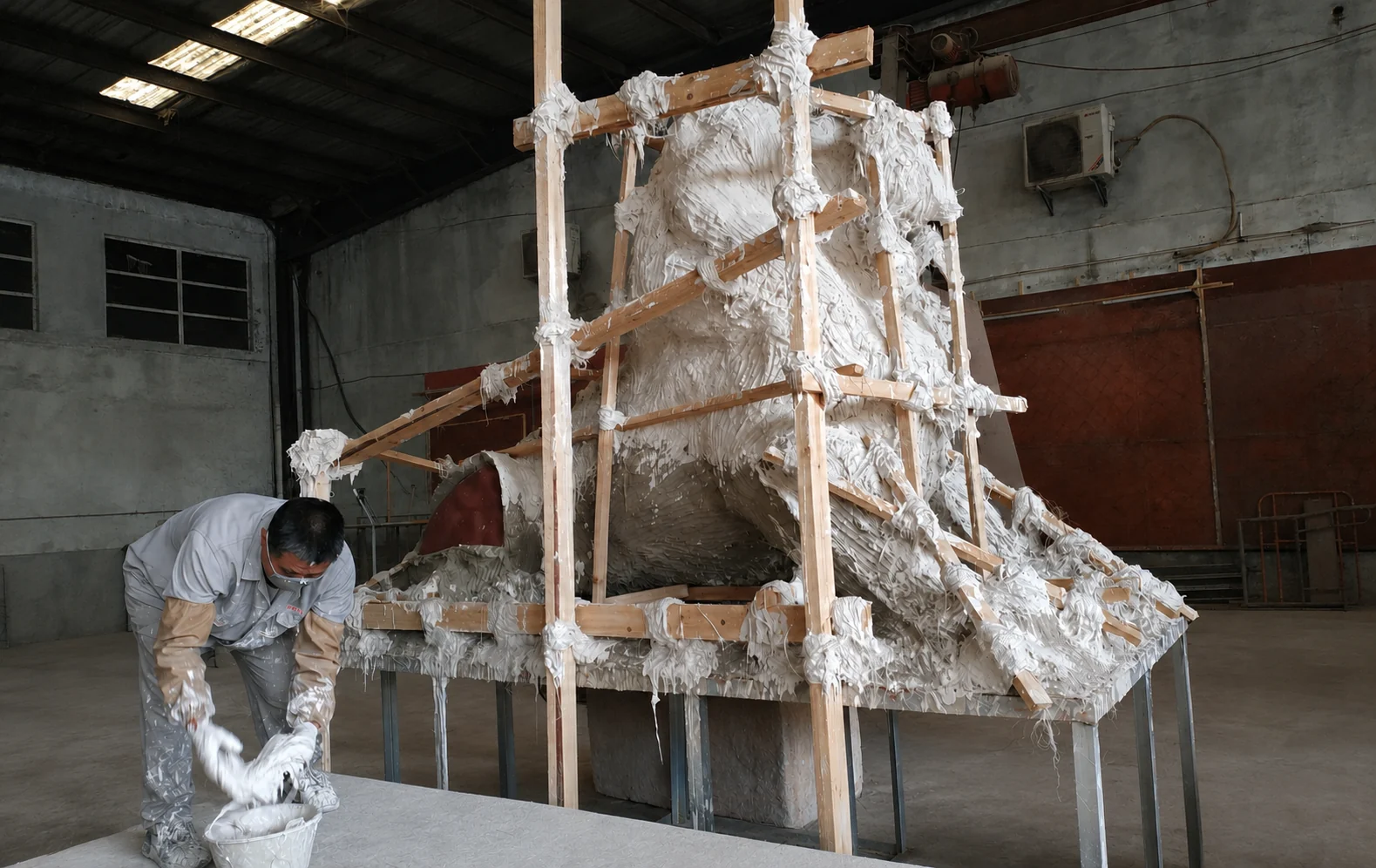
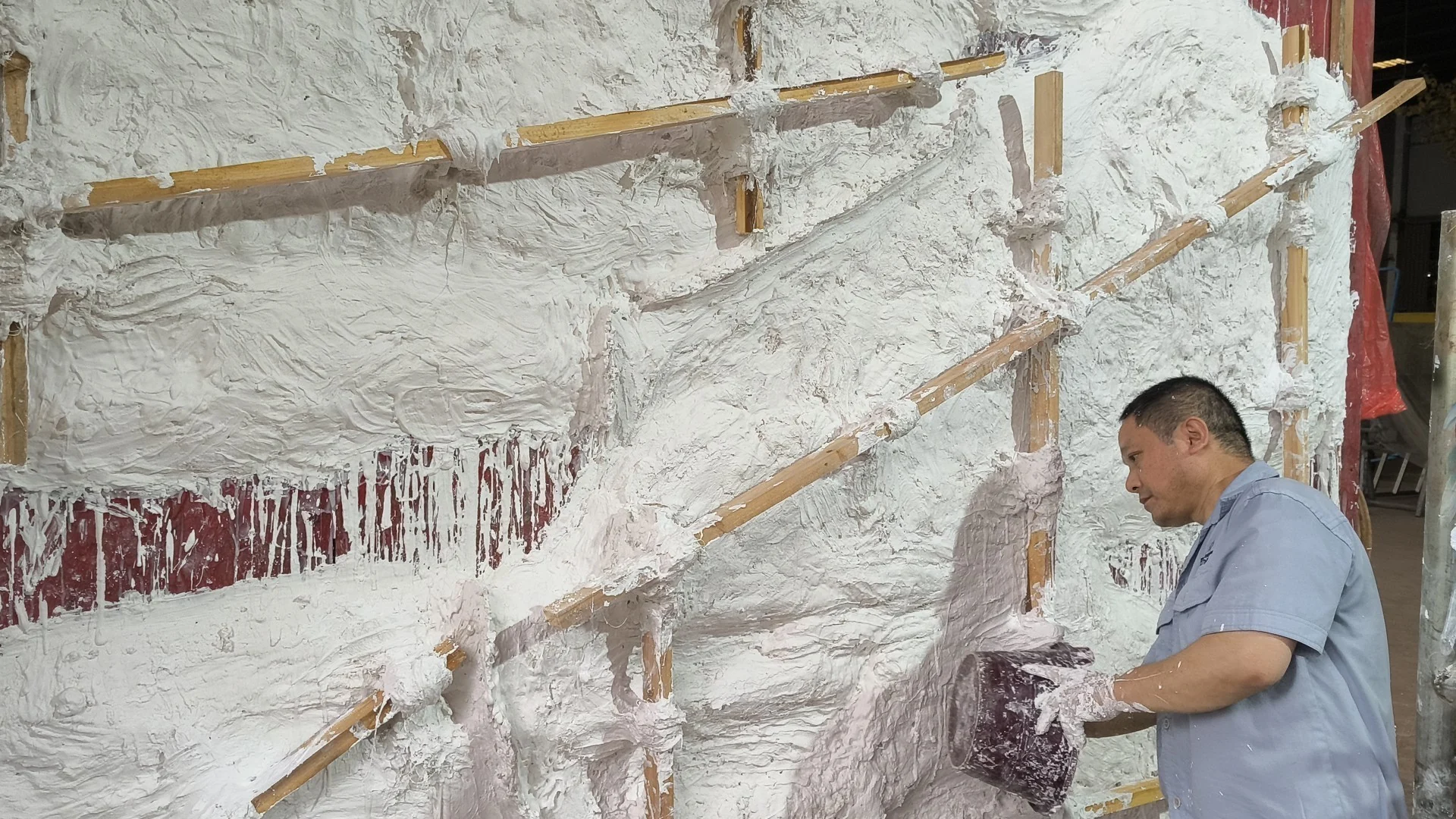
Mould-making prepares approved models for reproduction and casting, preserving the required geometry, scale and surface detail.
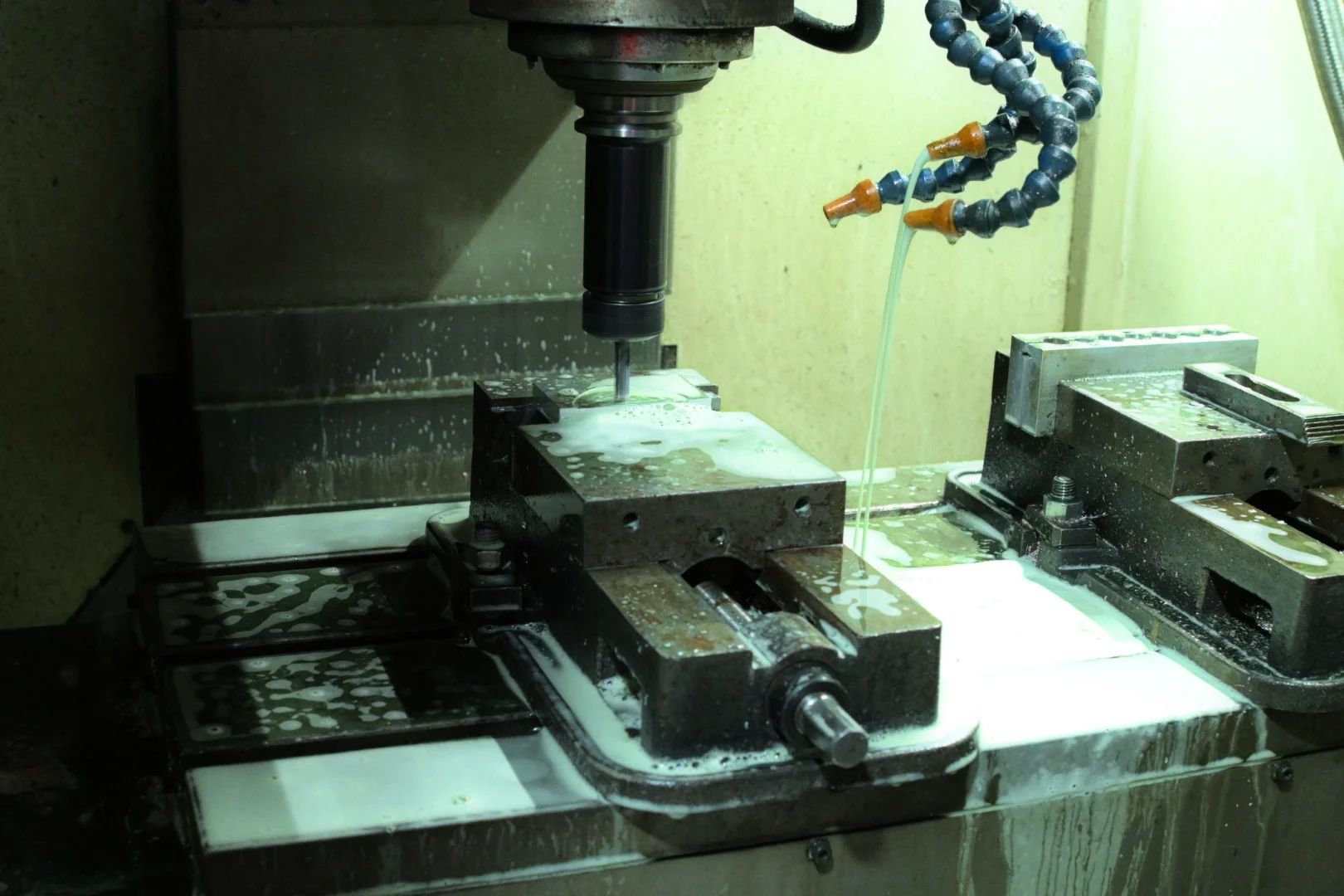
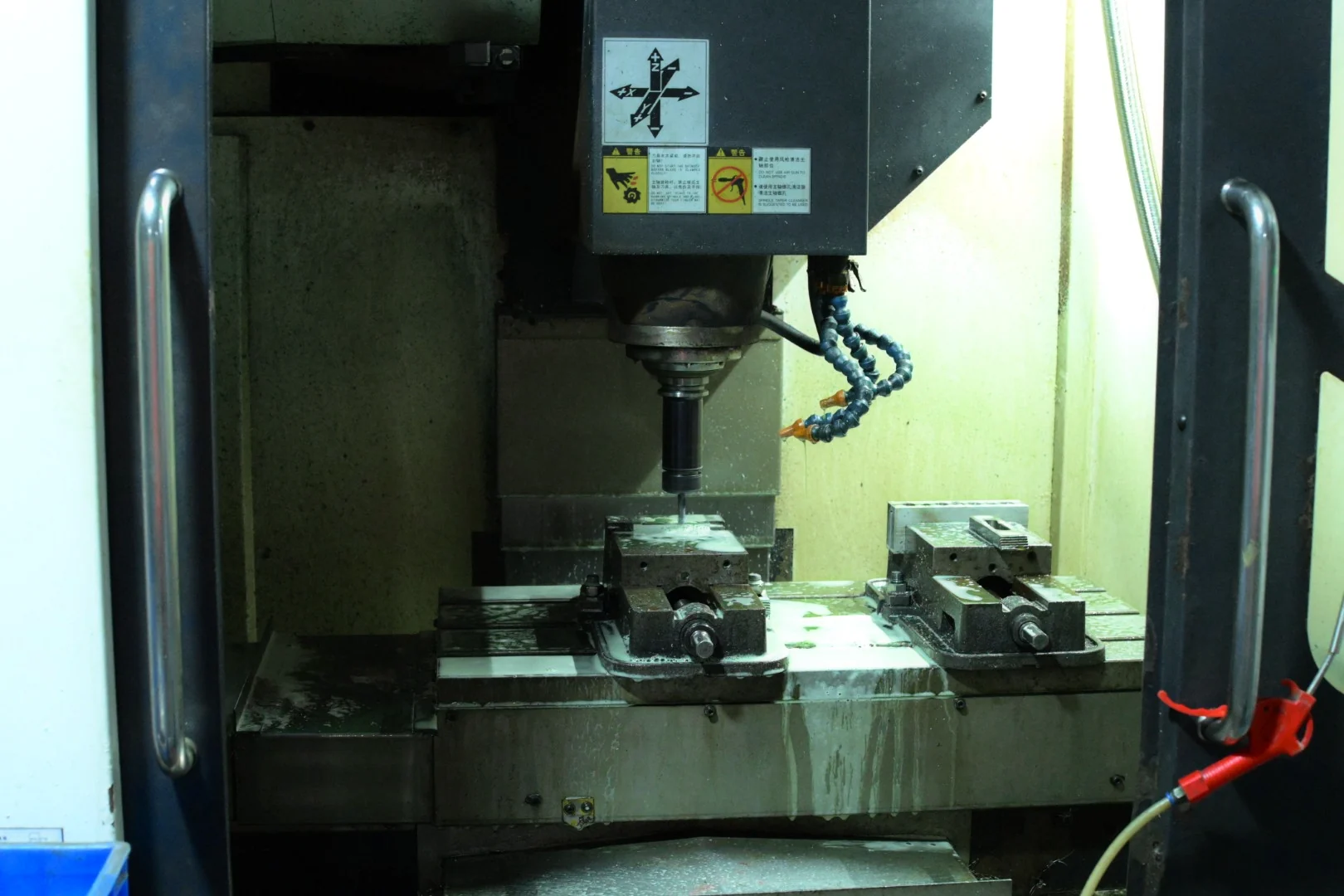
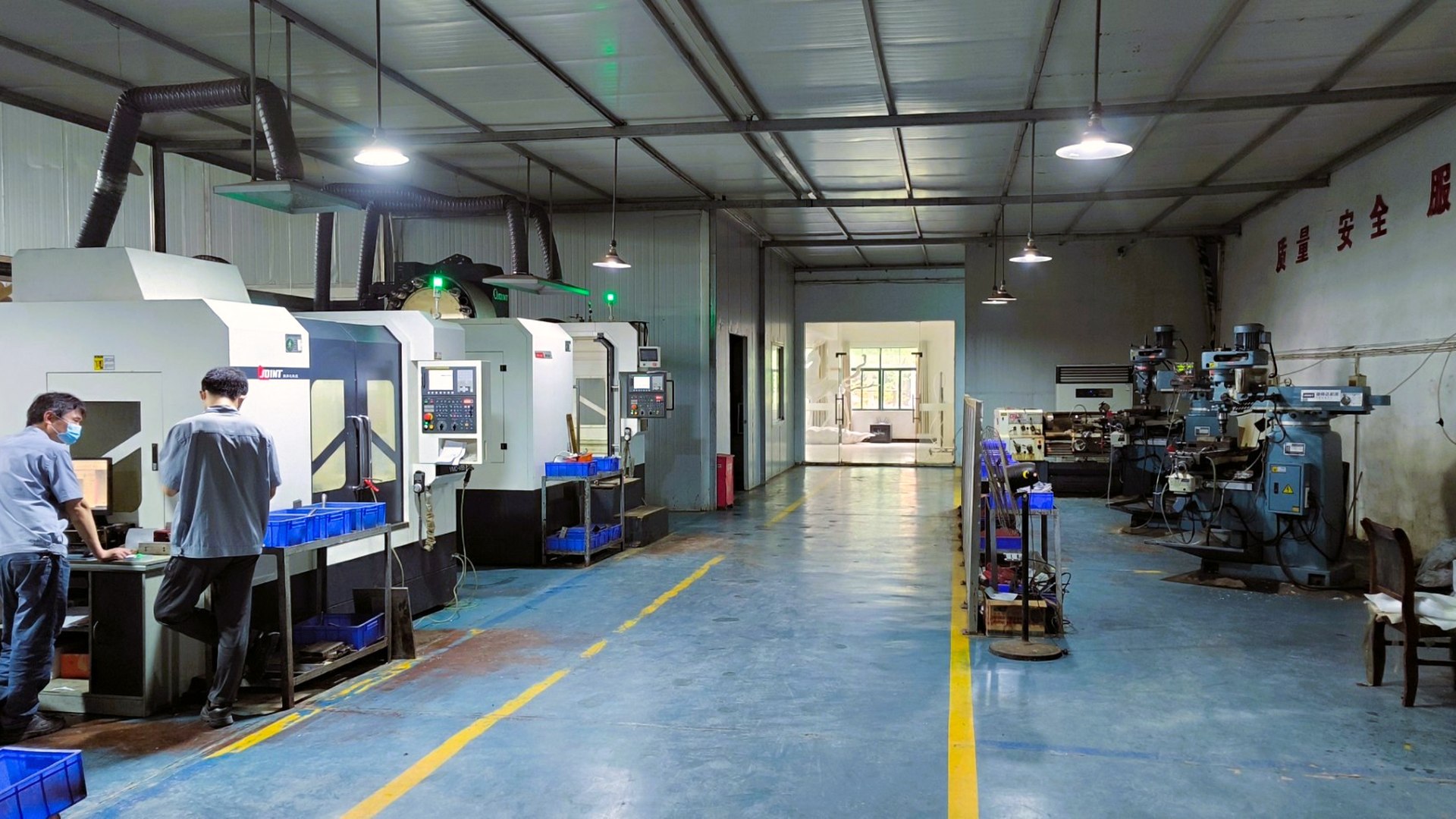
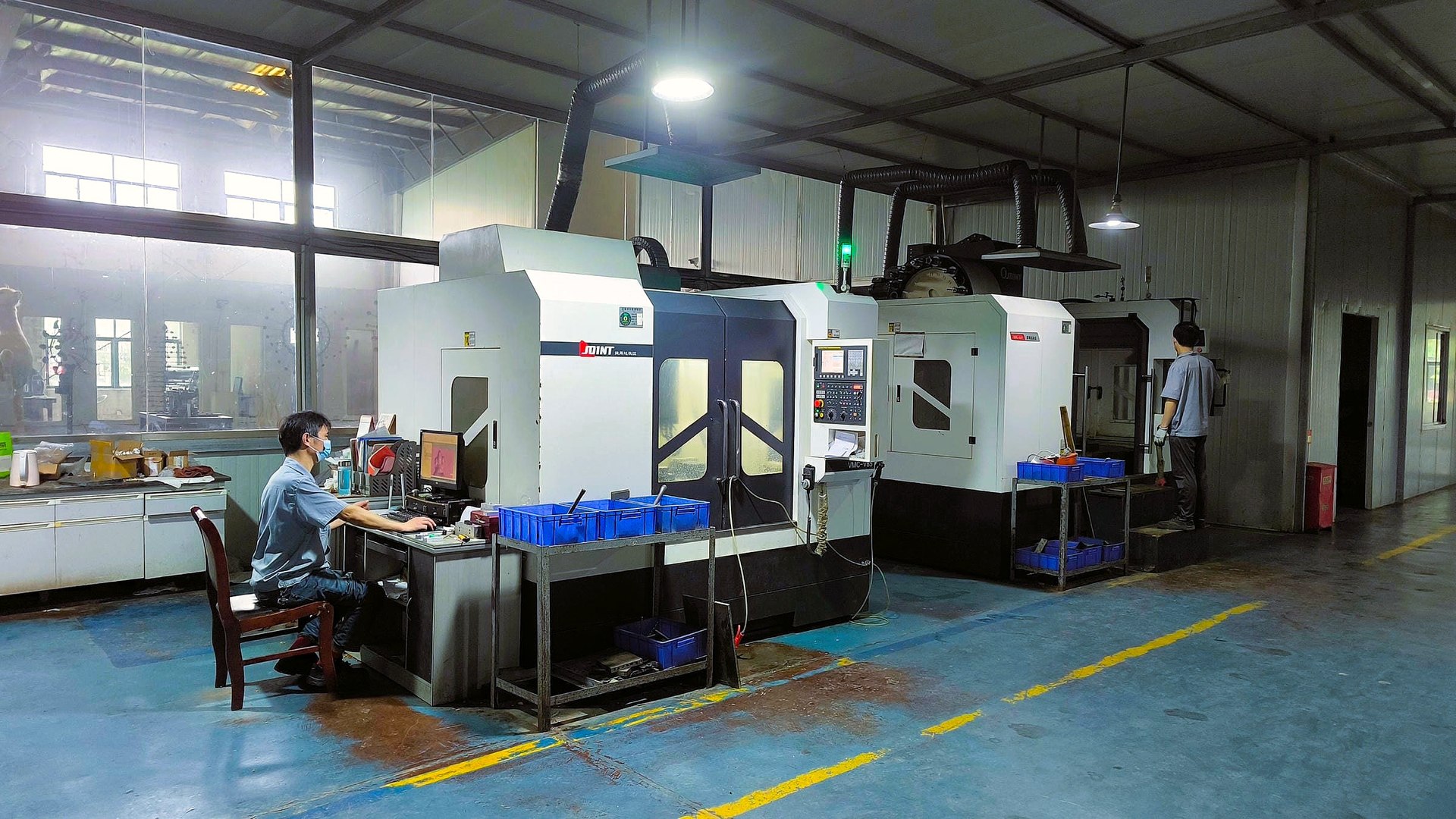
CNC machining is used to shape metal mould components and define their working surfaces for subsequent production stages.
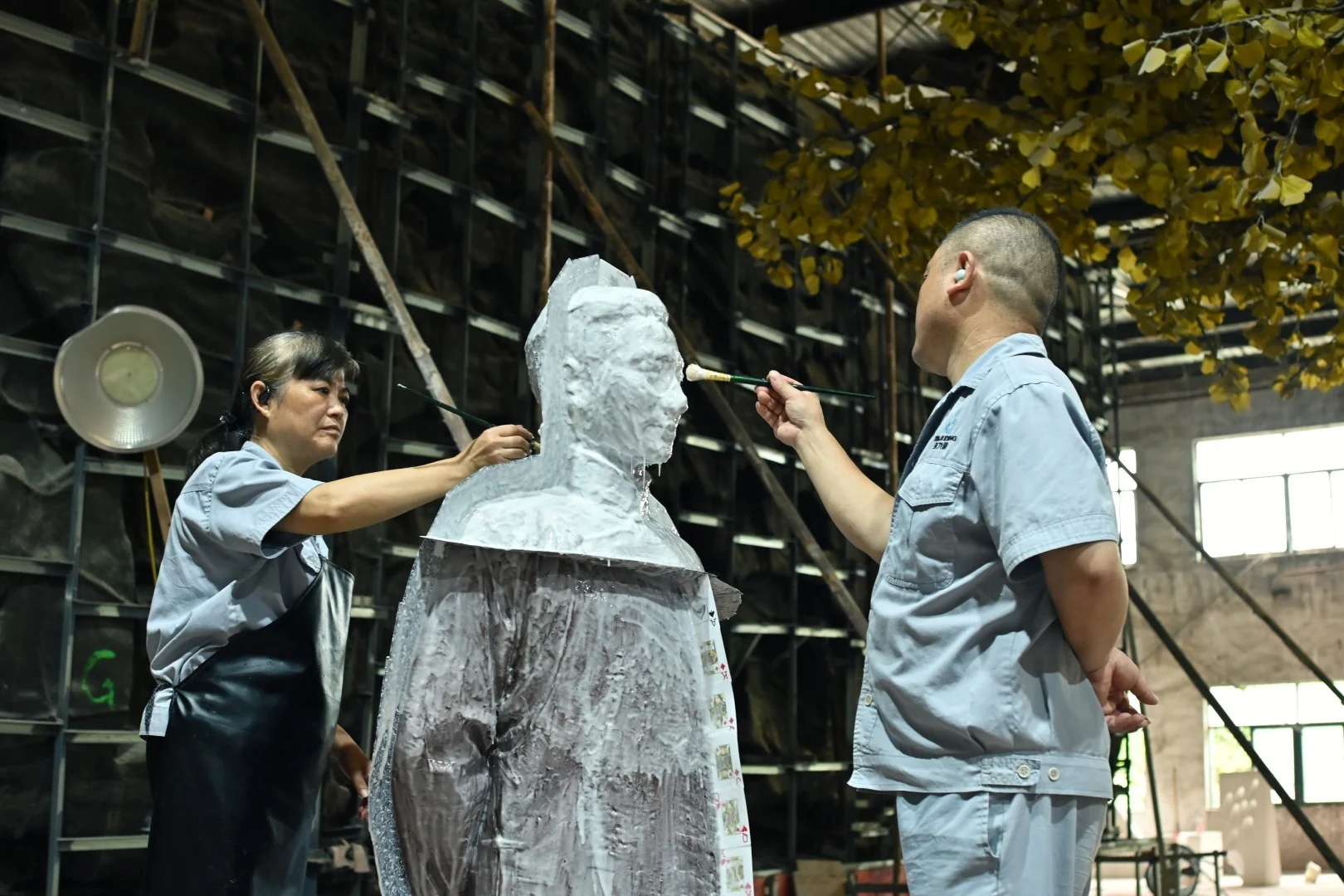
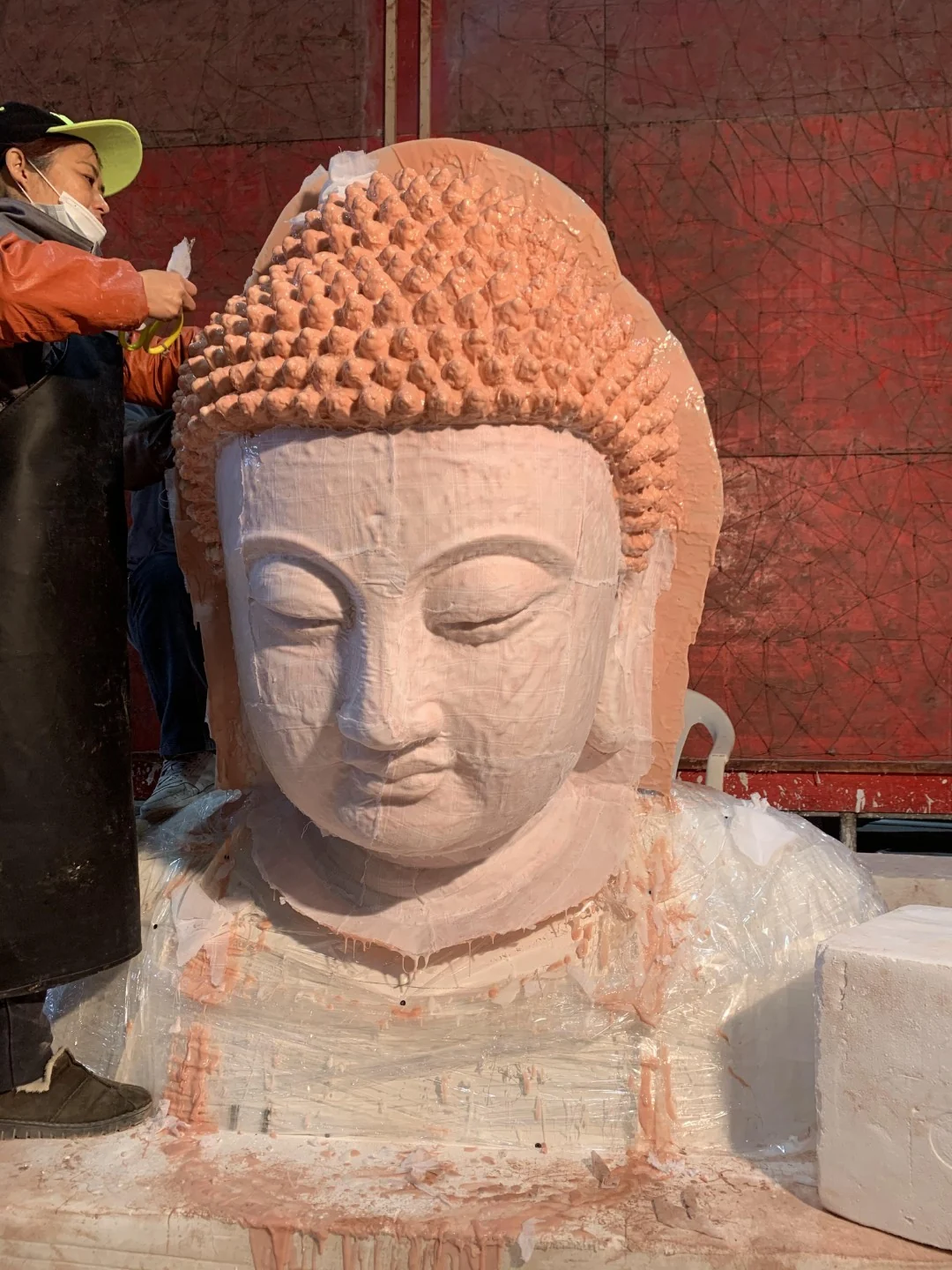
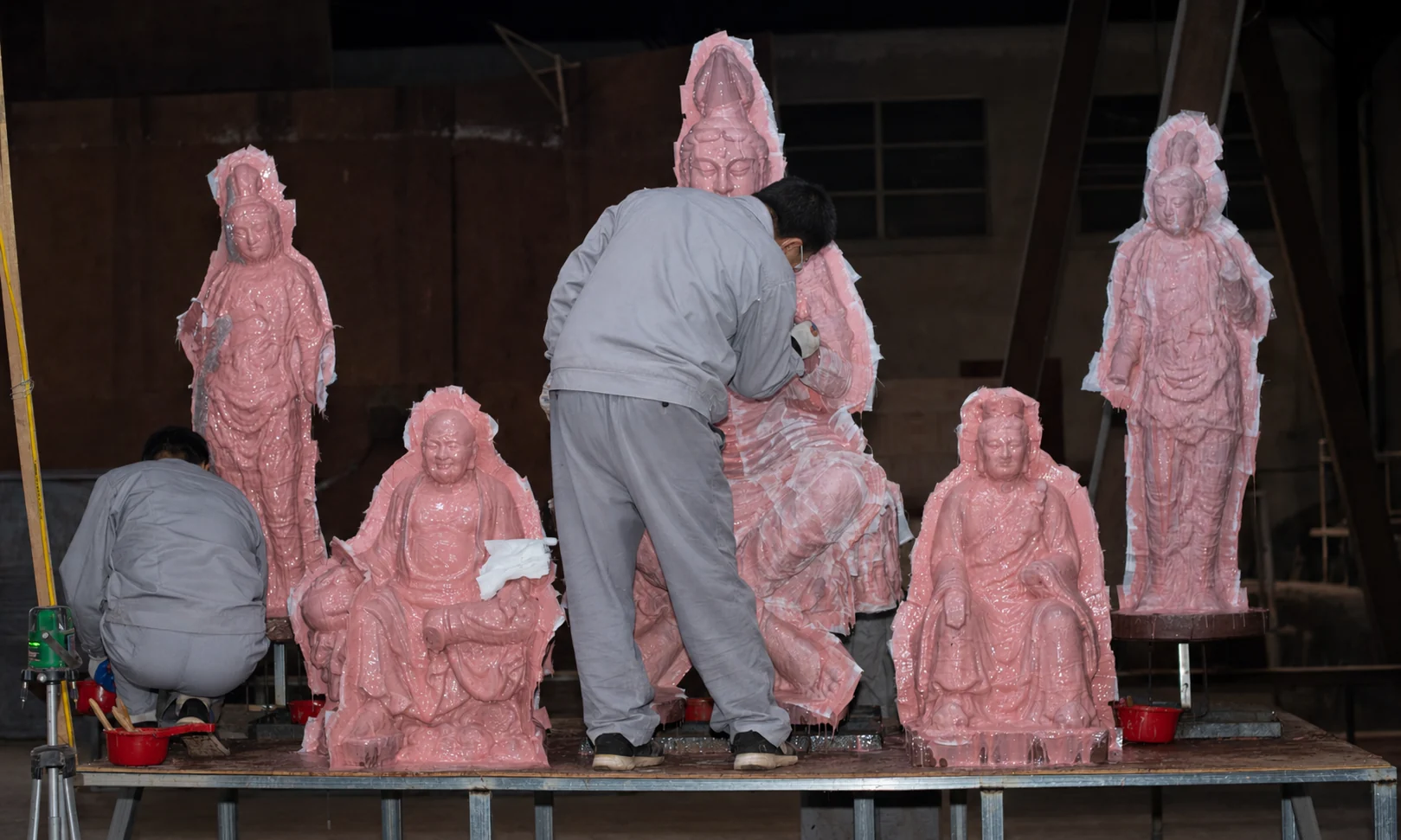
Silicone is applied in controlled layers over the model, capturing complex contours and fine surface detail in a flexible mould.
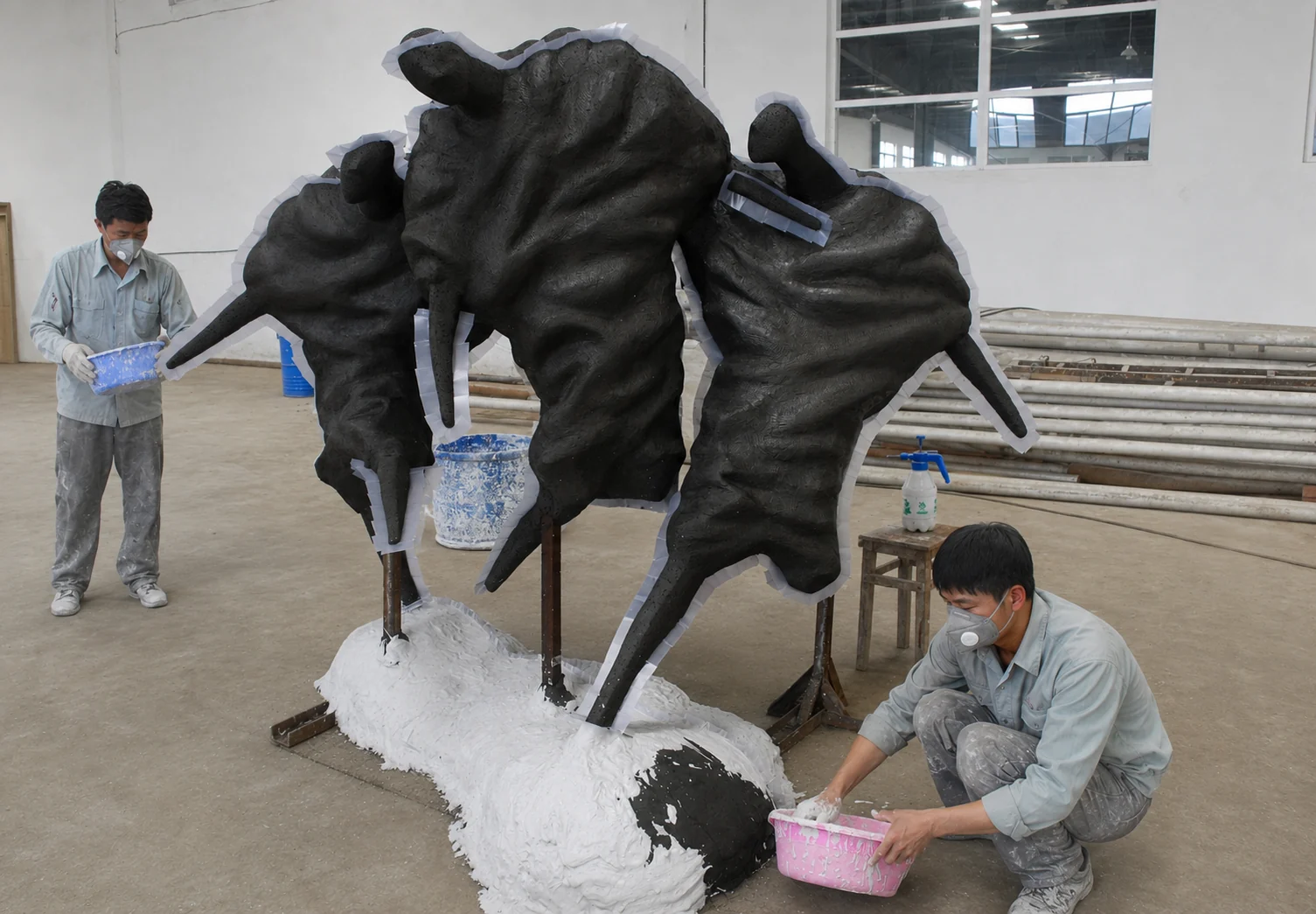
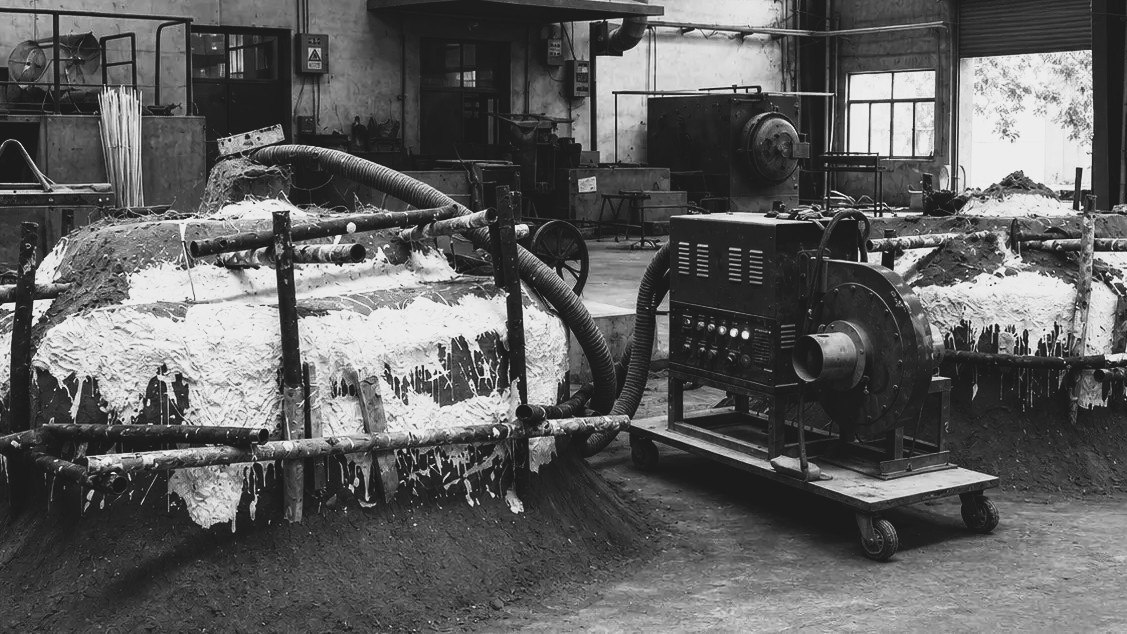
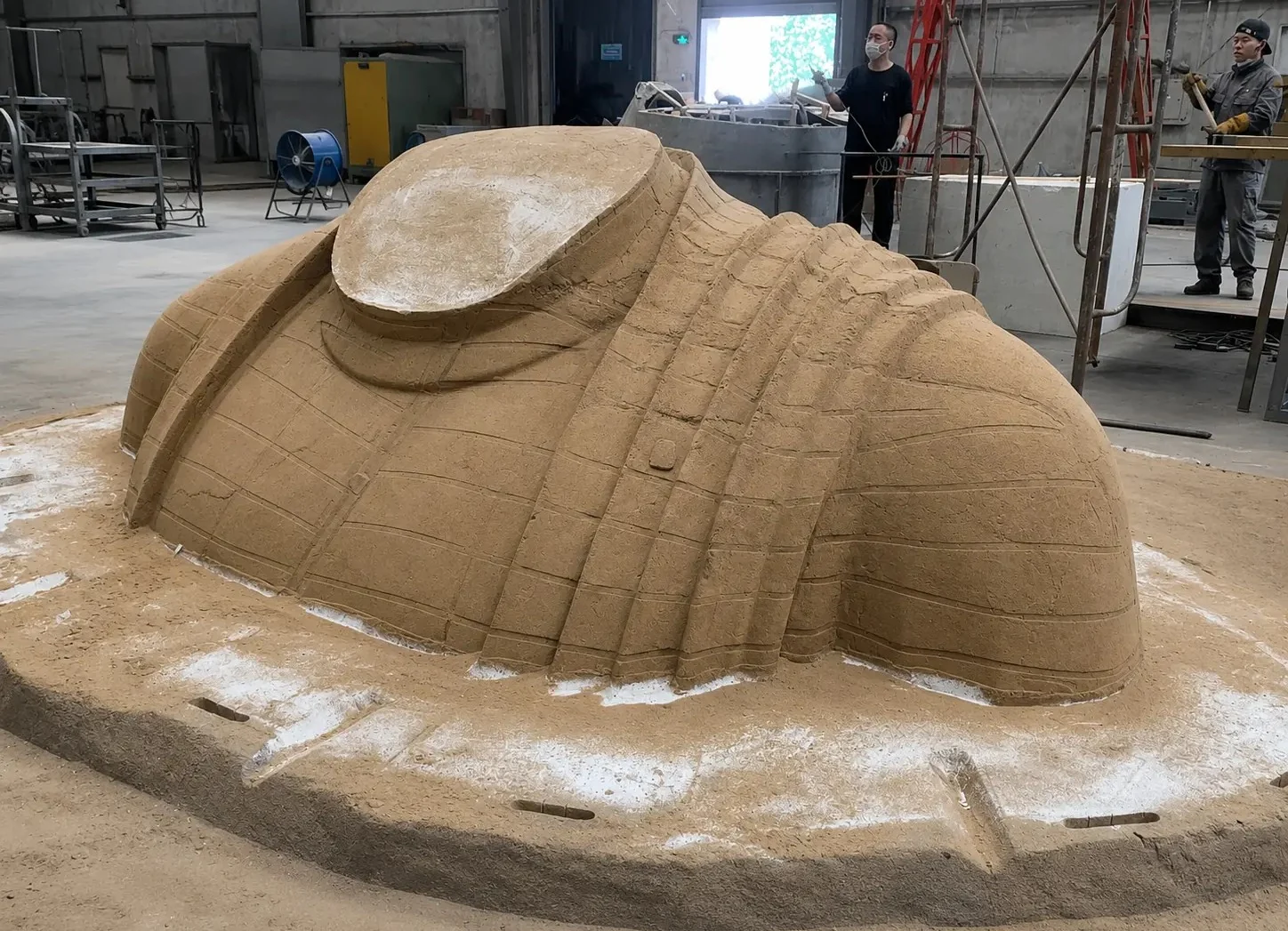
Prepared sand is formed and compacted around the pattern to establish the mould cavity required for the subsequent casting stage.
05 / 11
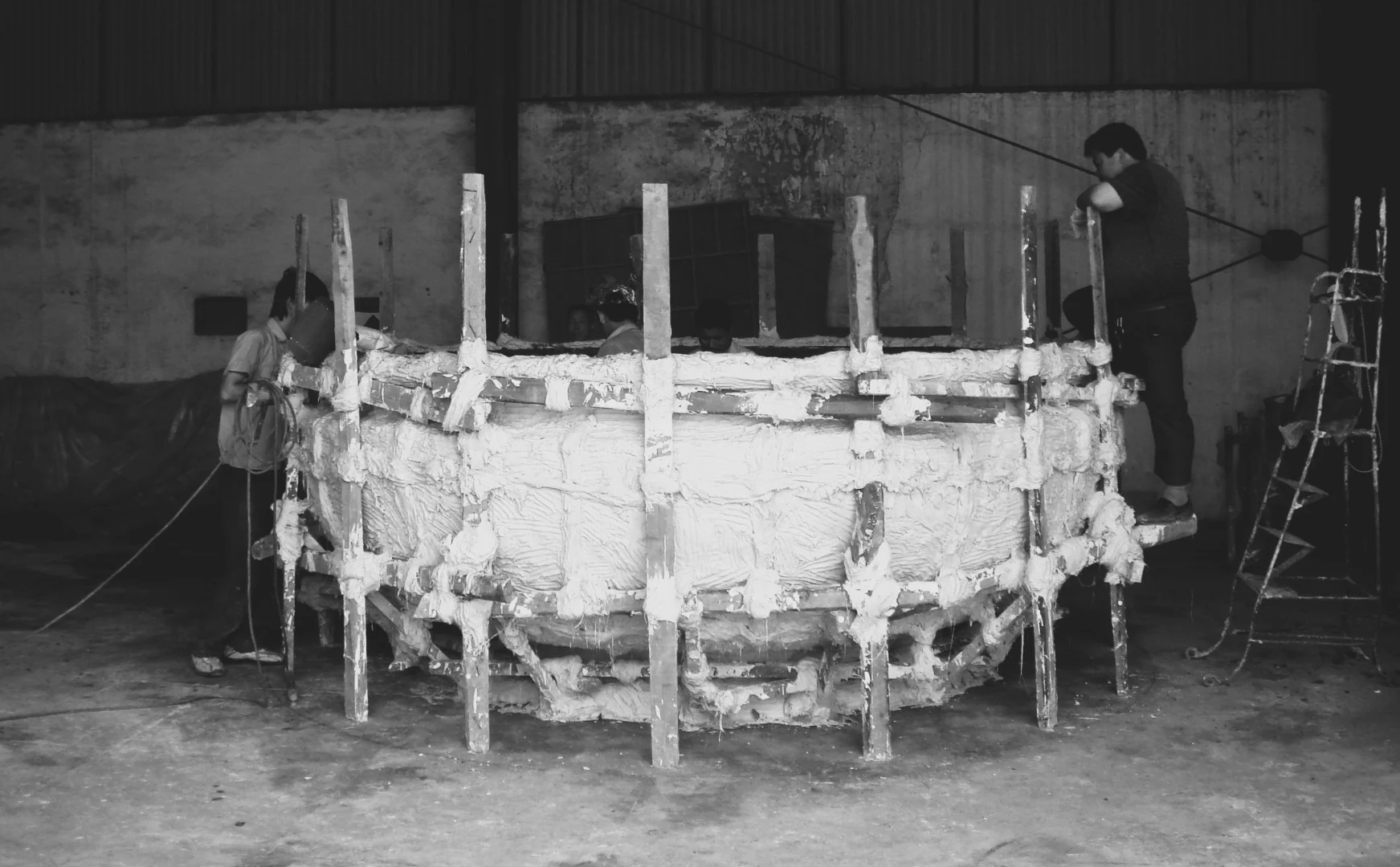
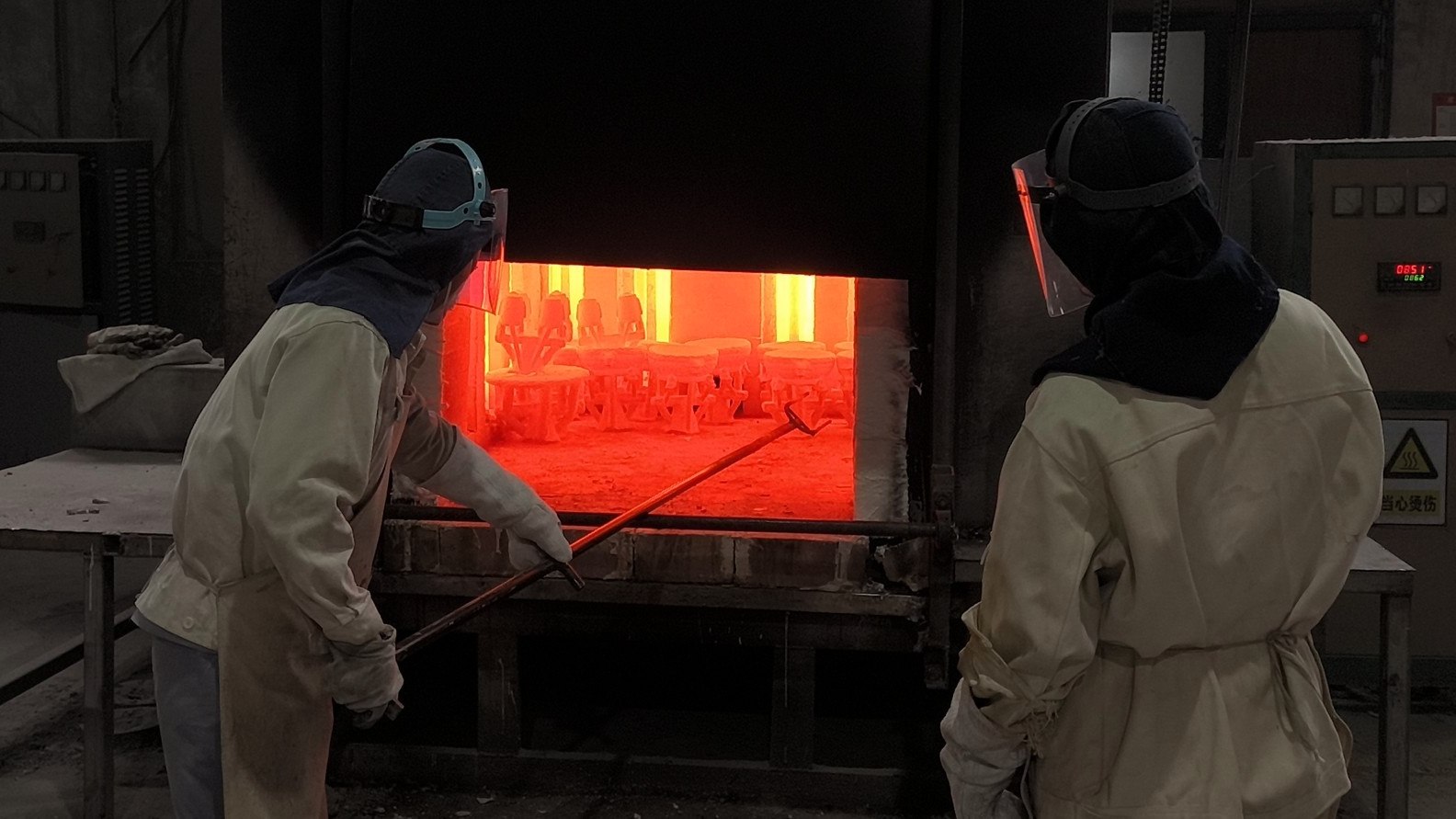
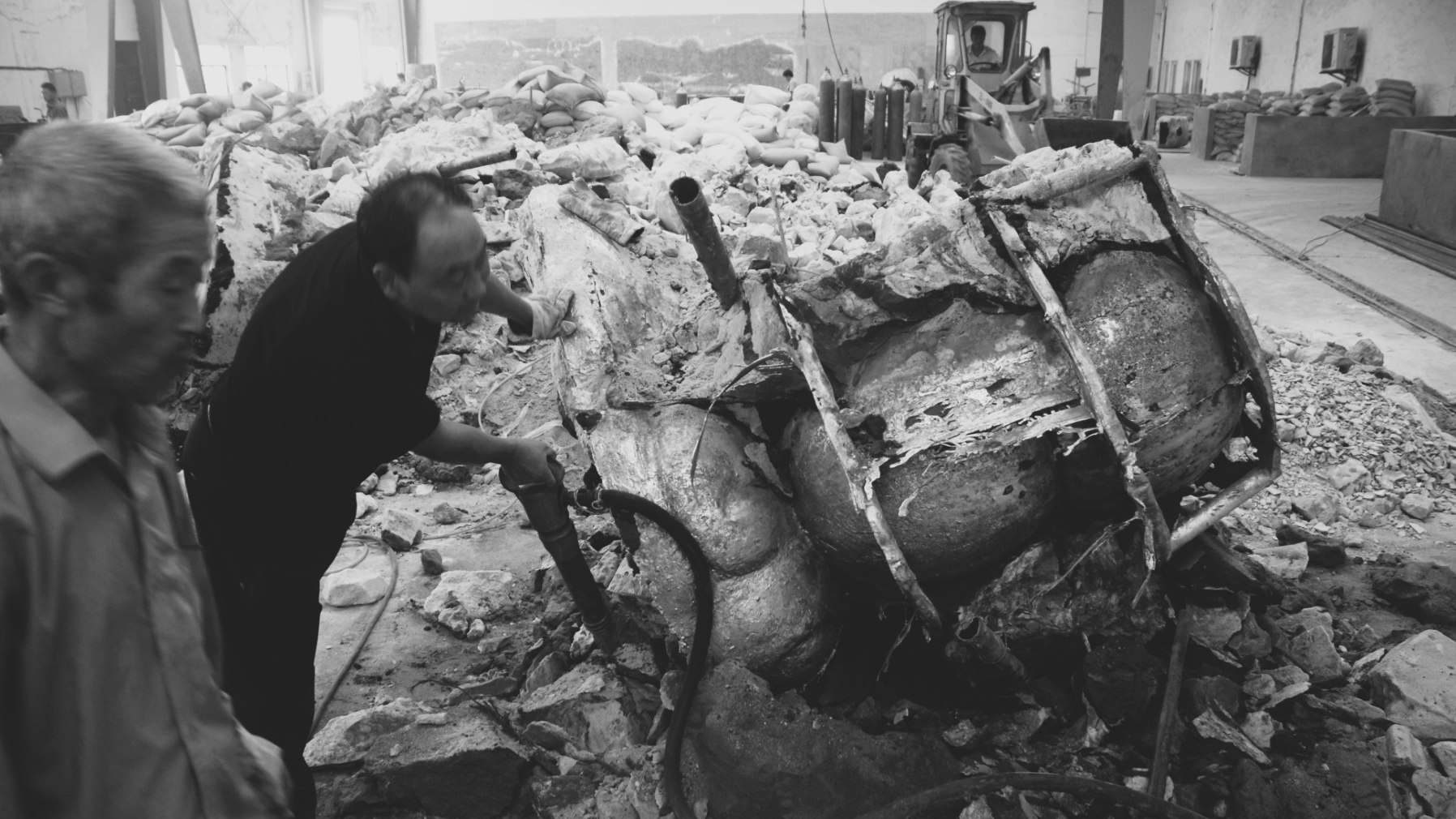
Casting realises the approved form in metal through processes selected to meet each work’s requirements for scale, geometry and surface detail.
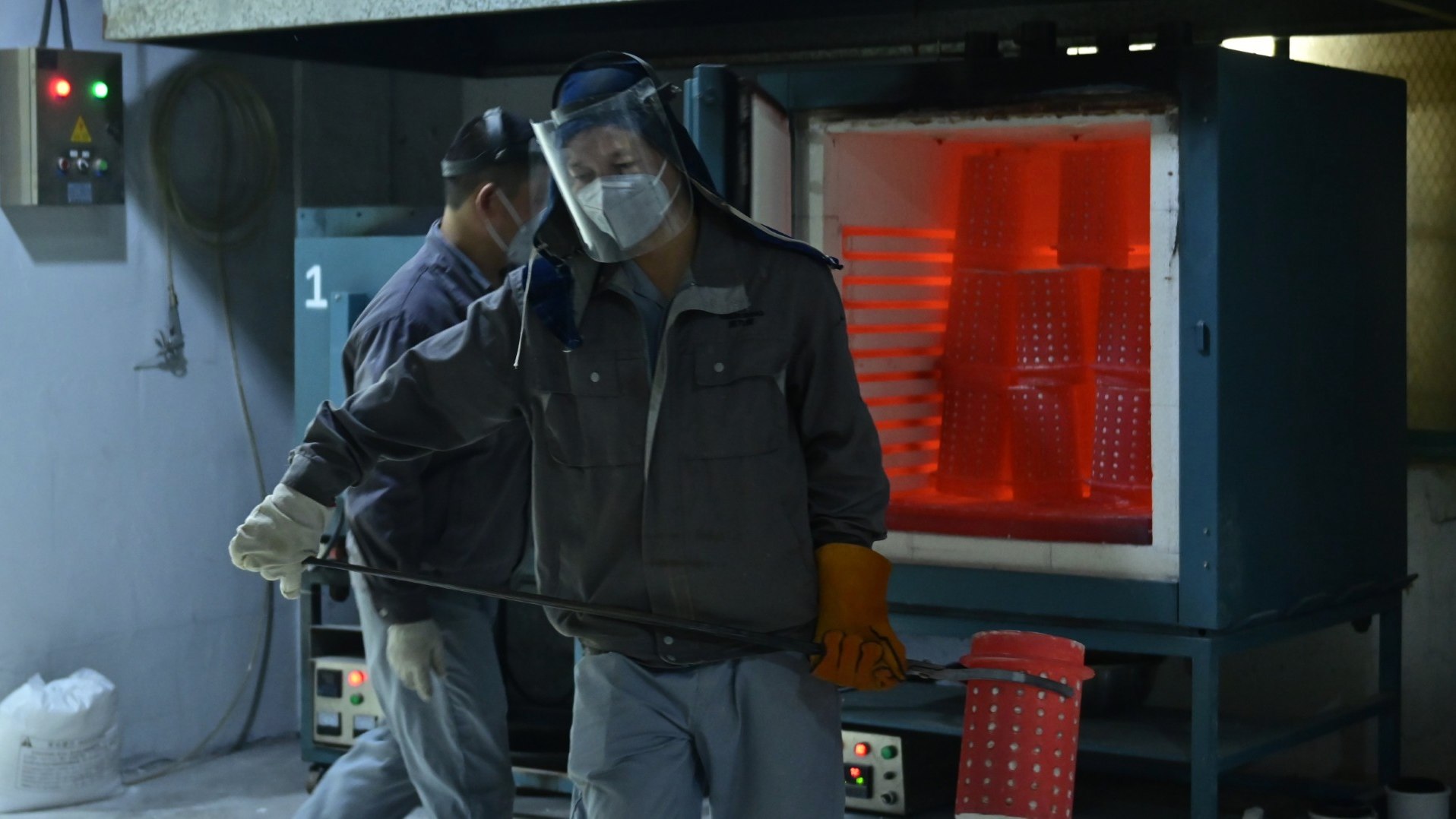
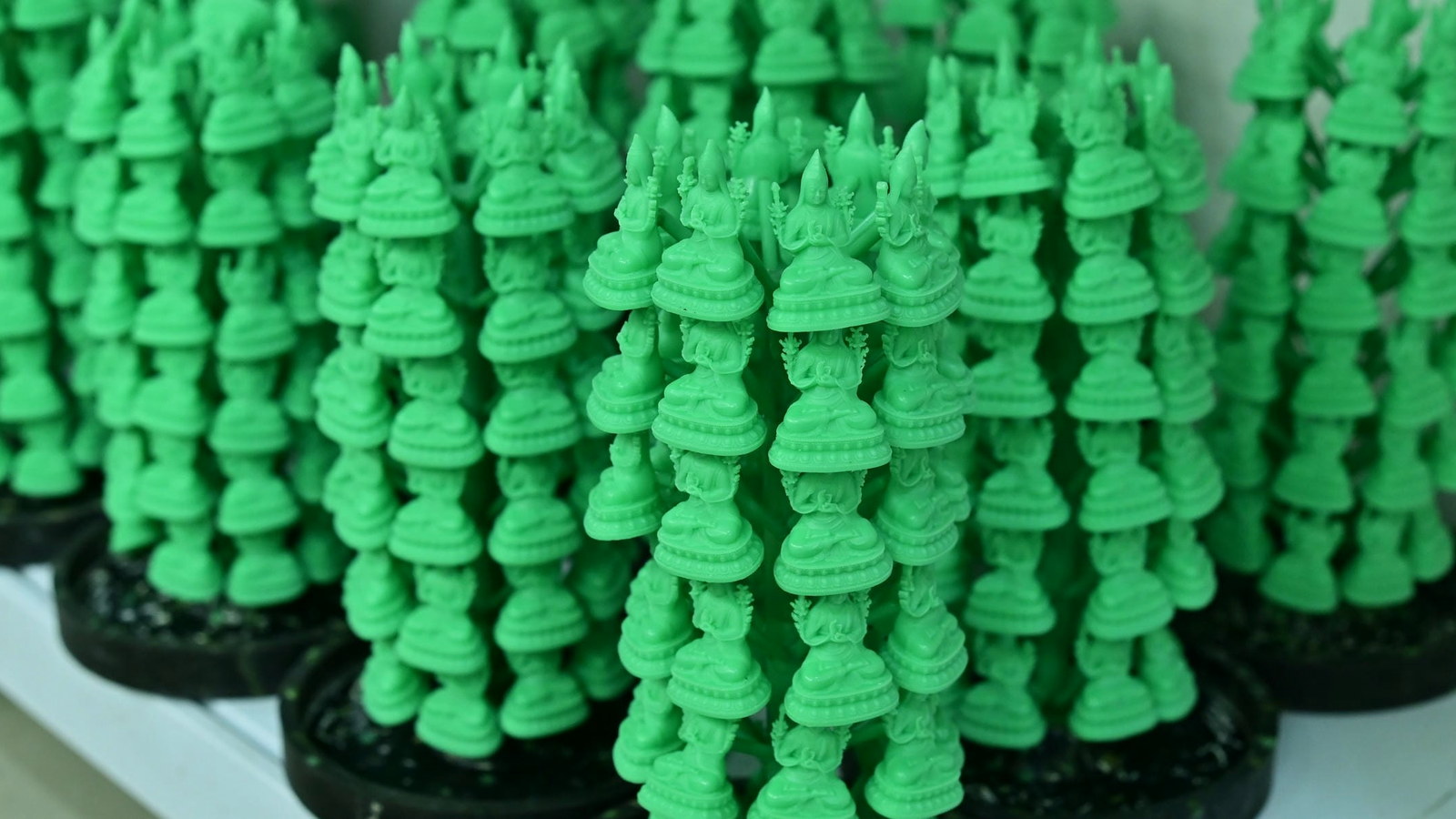
A silica-sol ceramic shell is built around the wax model, creating a refractory mould that preserves complex geometry and fine surface detail during casting.
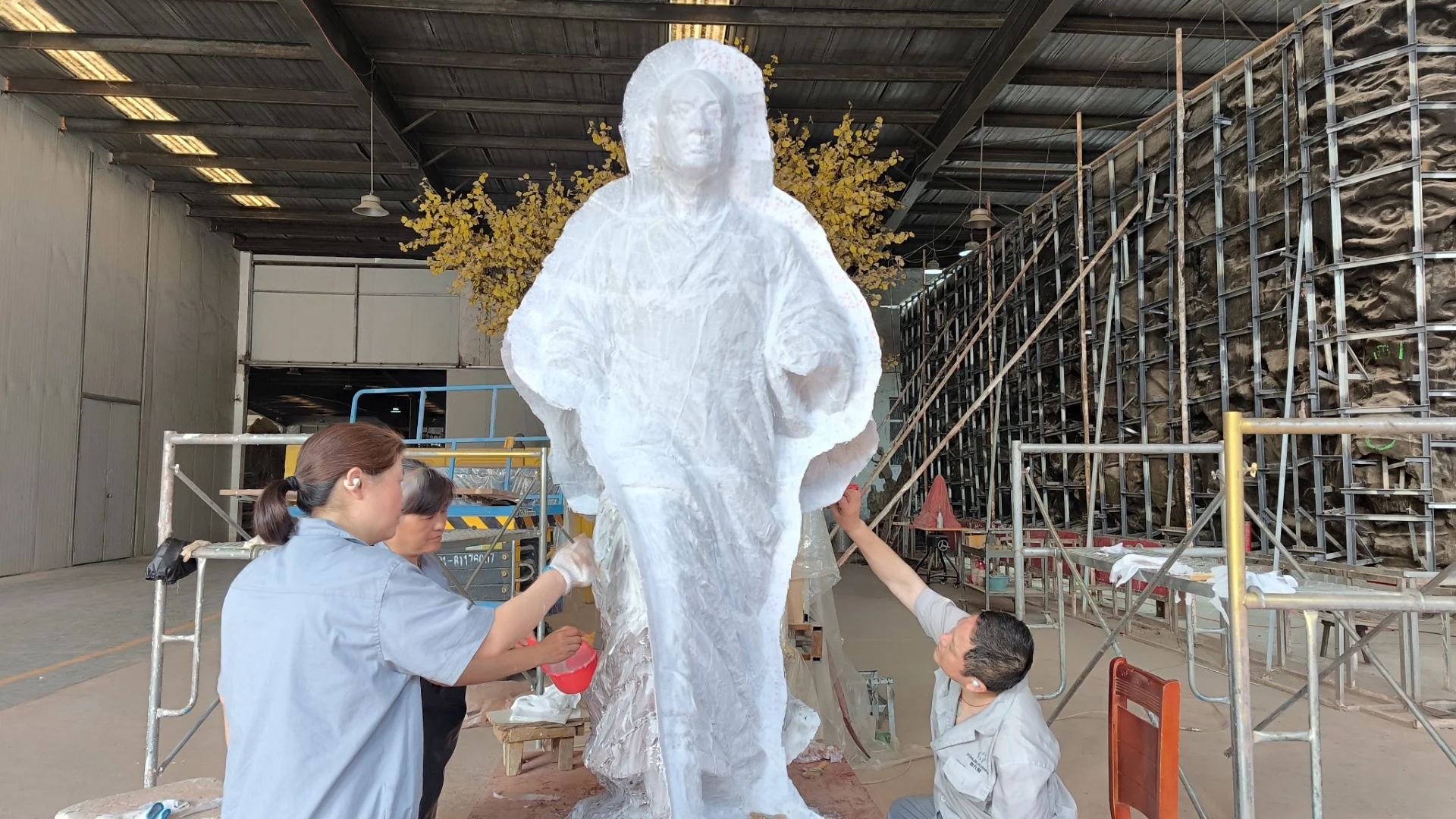
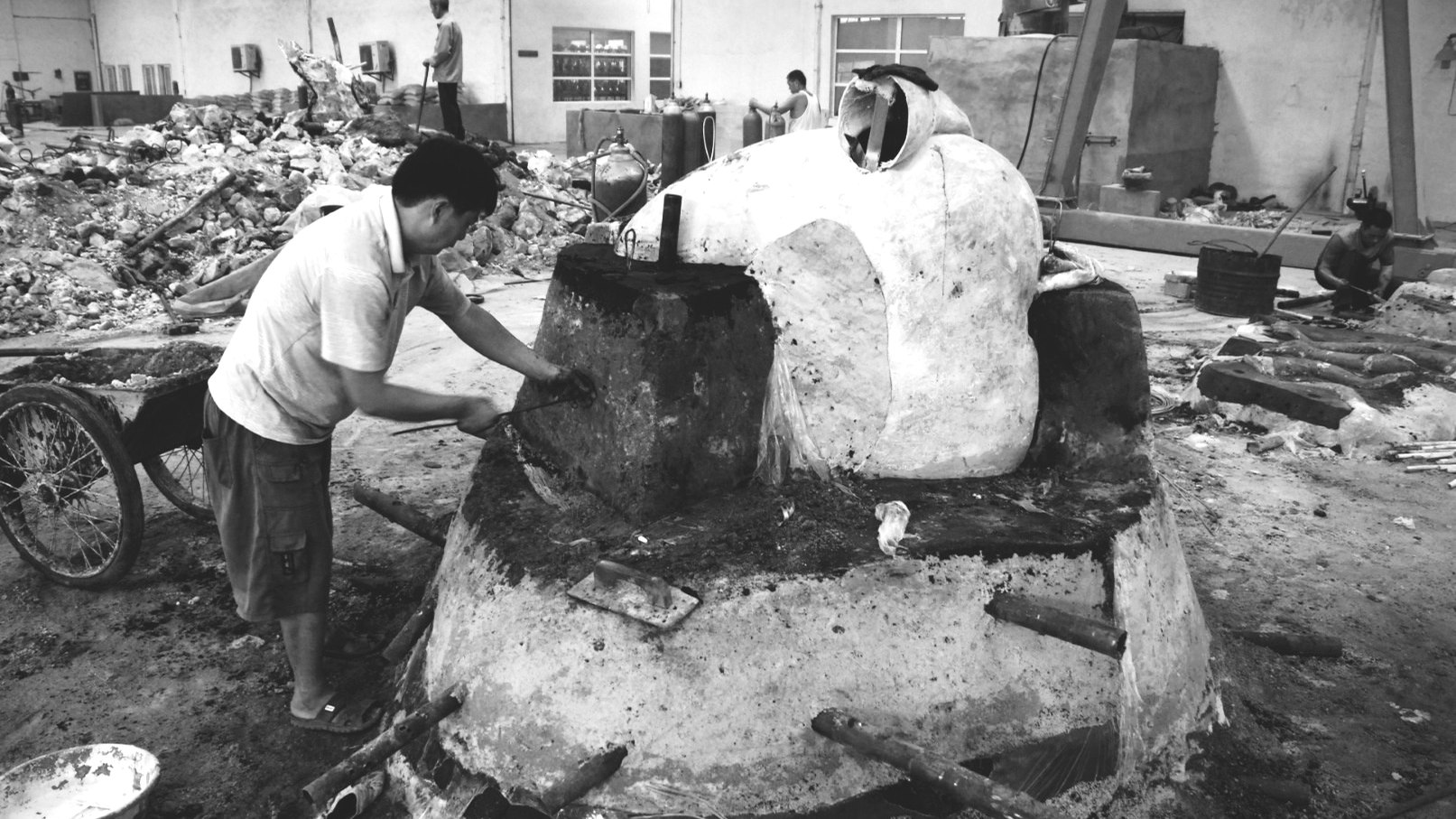
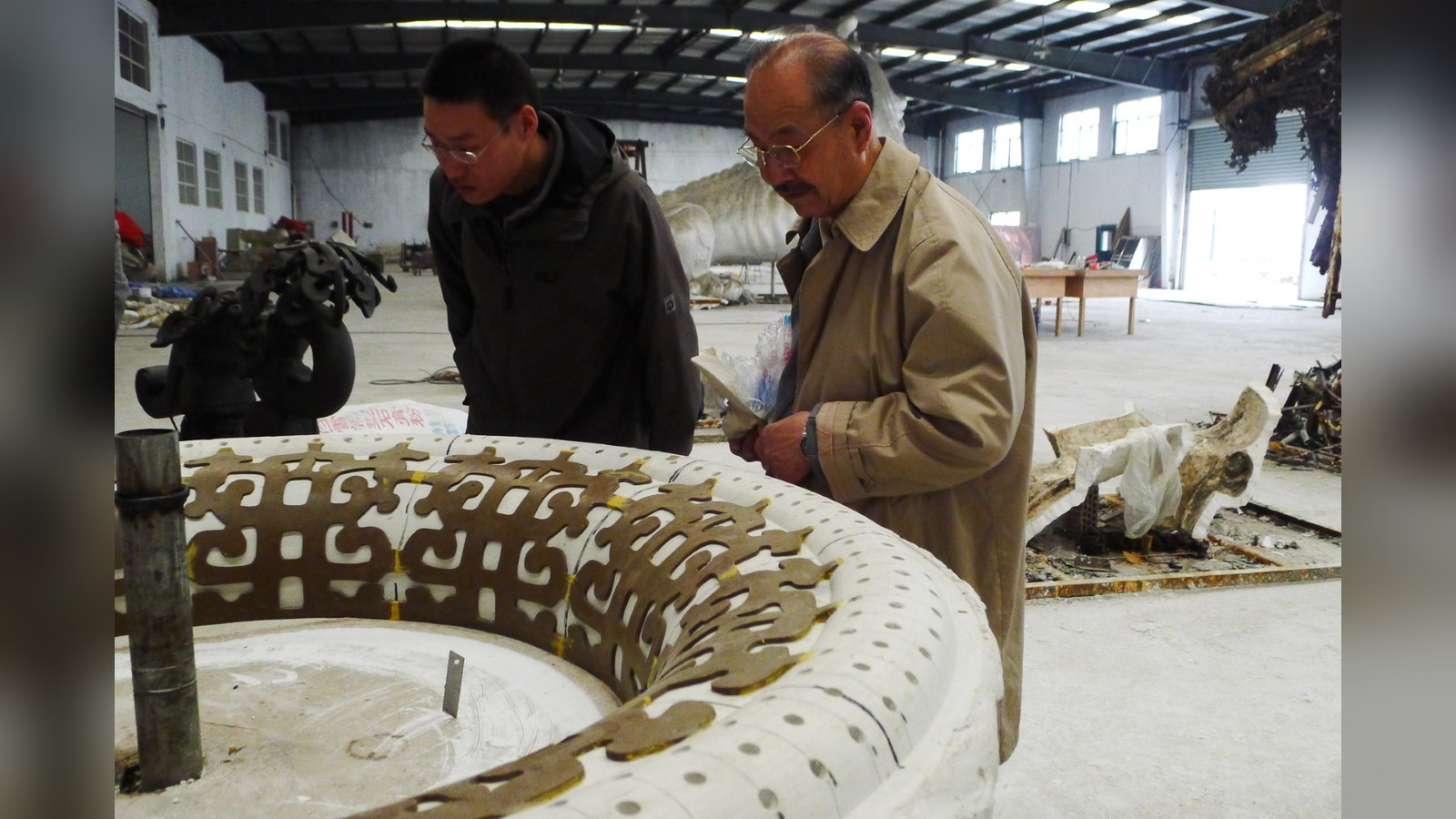
Plaster investment is formed around the wax model, providing a rigid mould cavity for reproducing detailed forms through the lost-wax process.
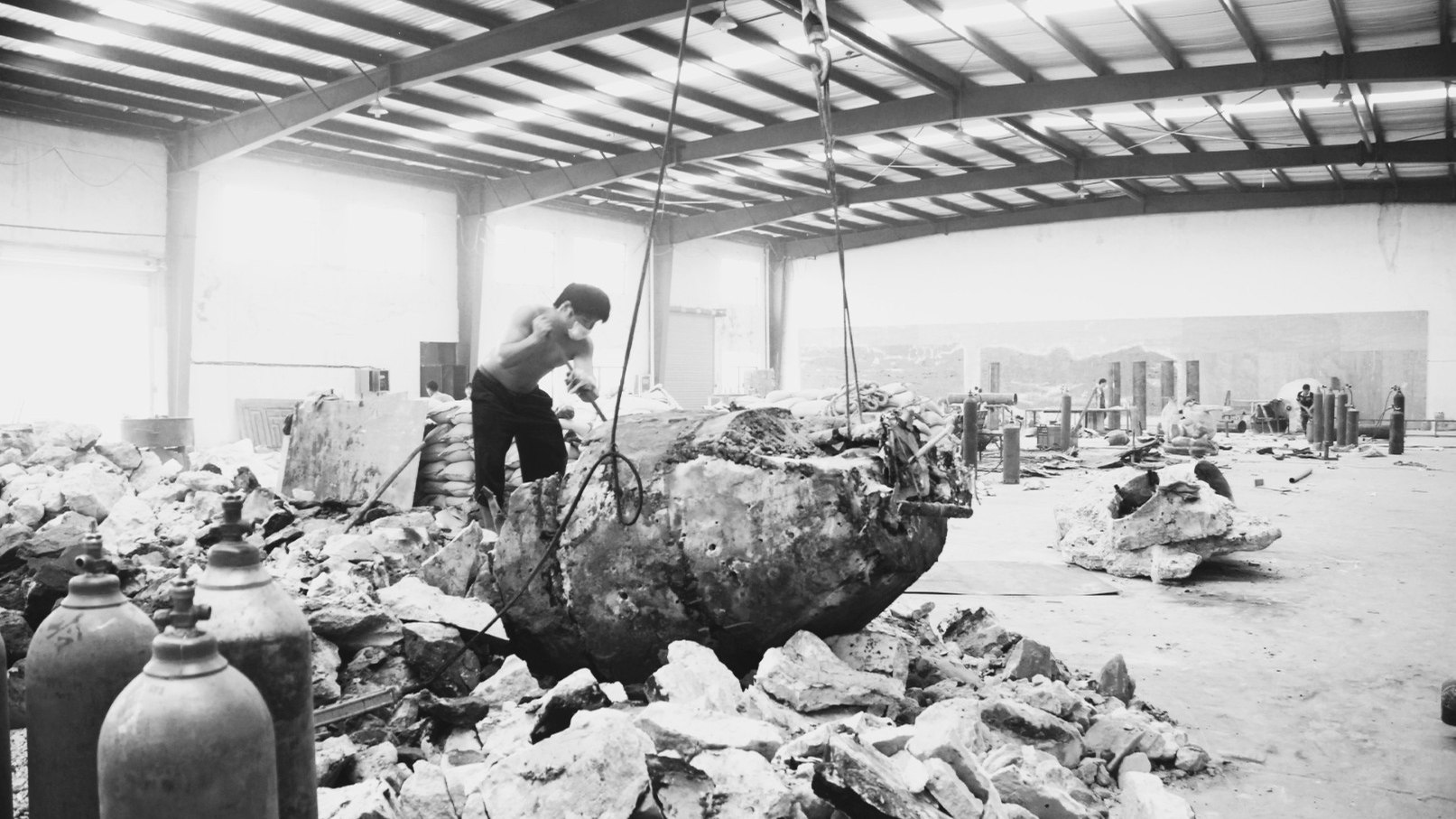
Sand moulds are prepared around patterns to create casting cavities for larger-scale forms and components.
06 / 11
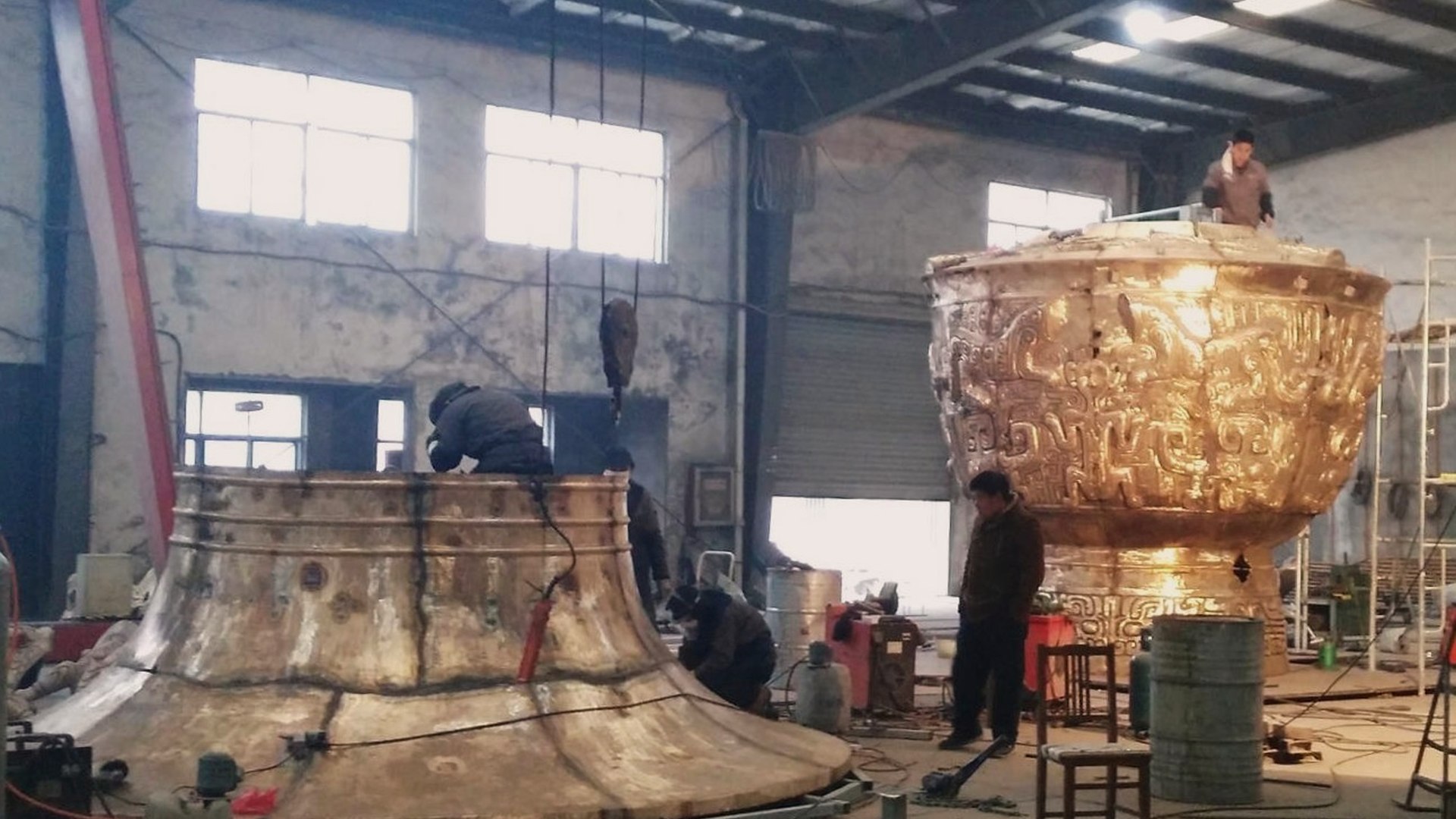
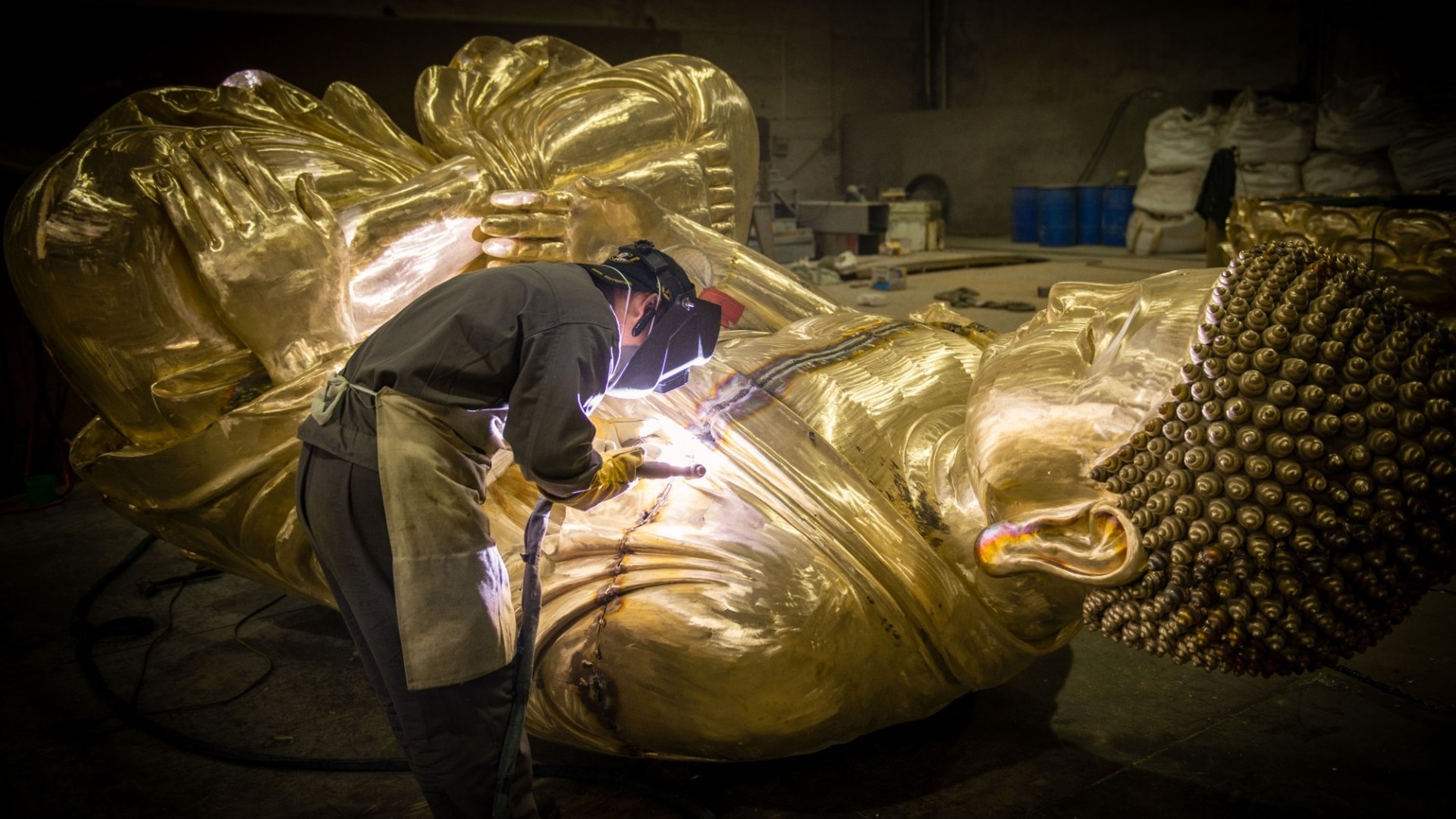
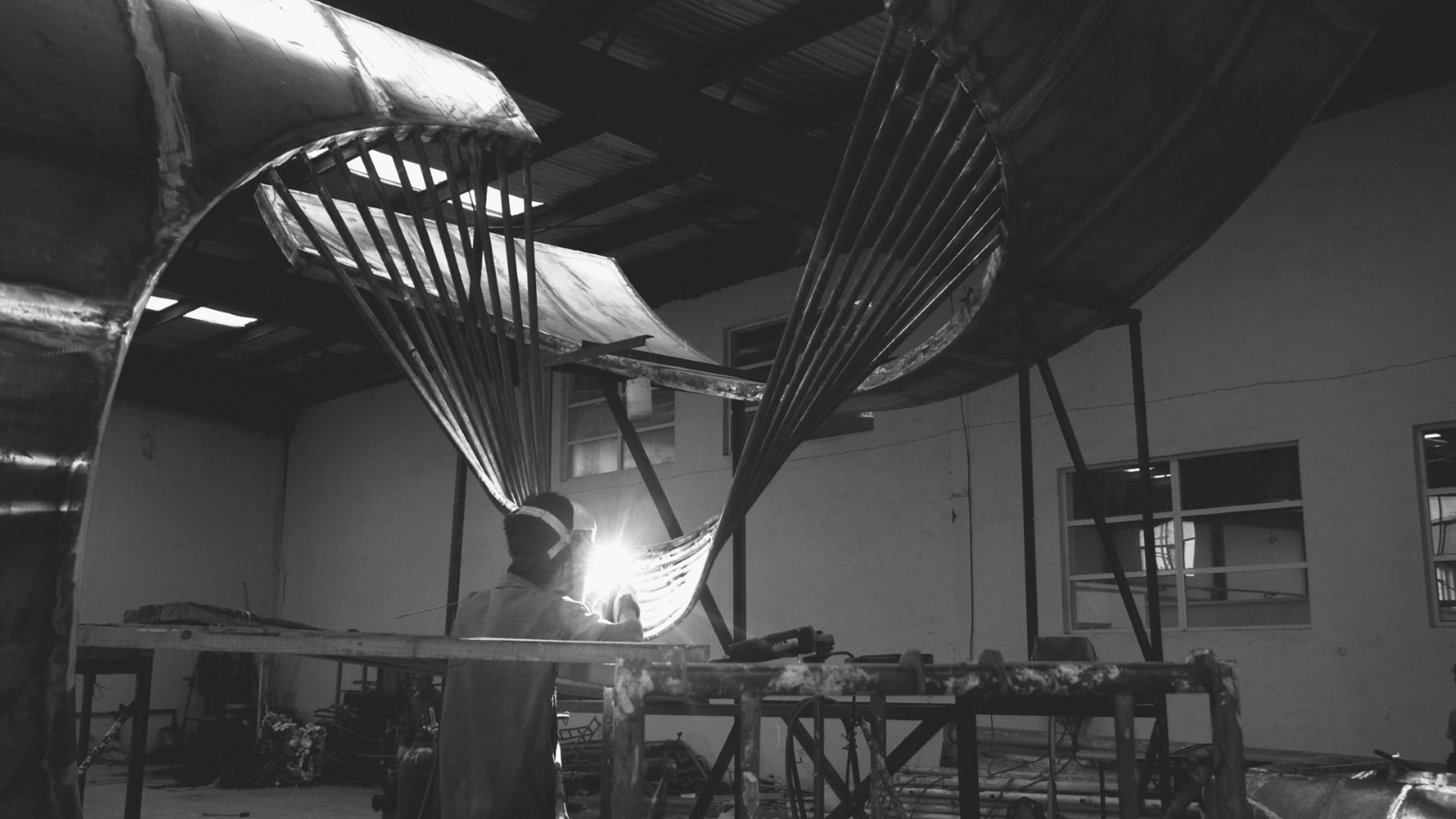
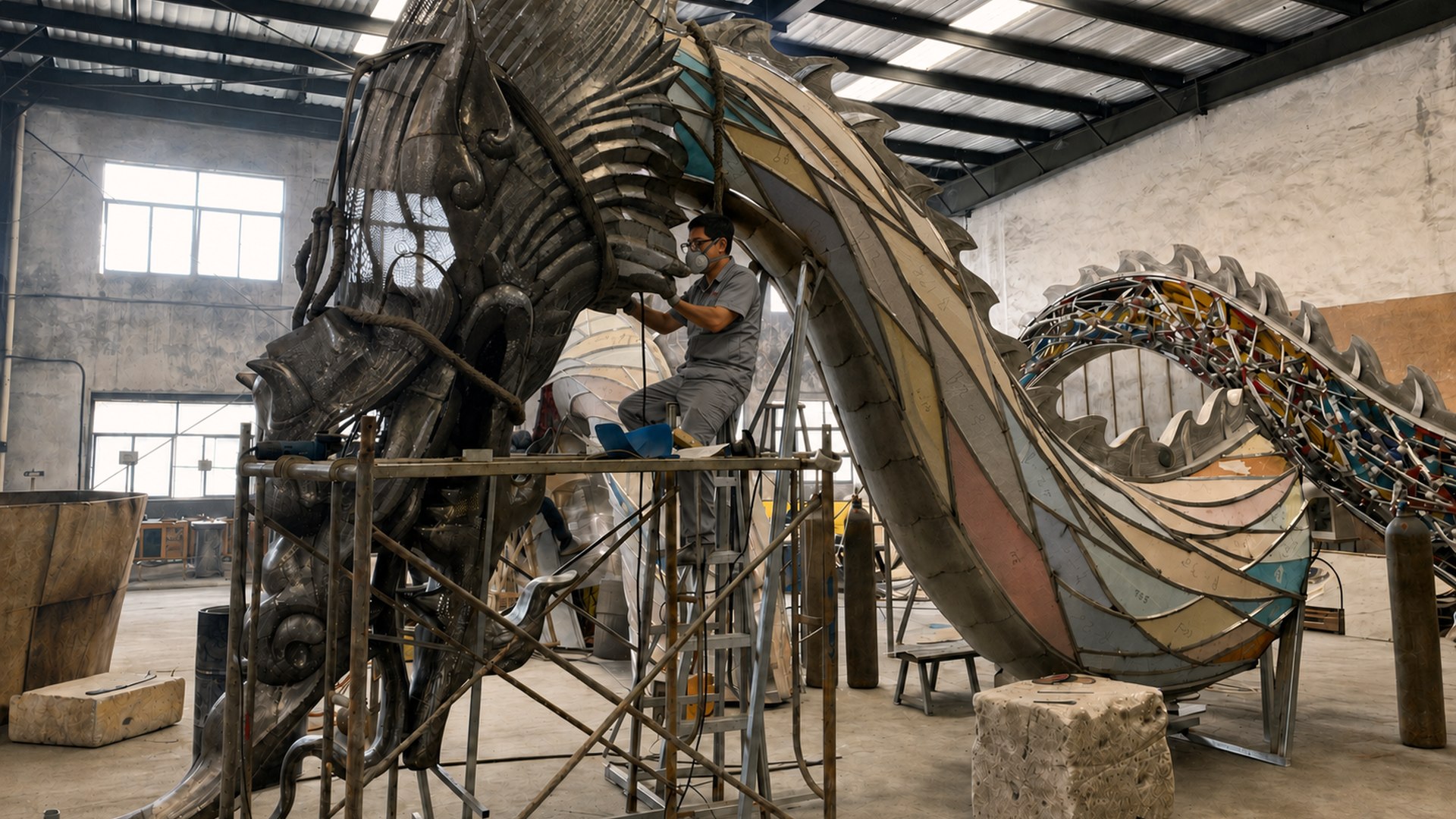
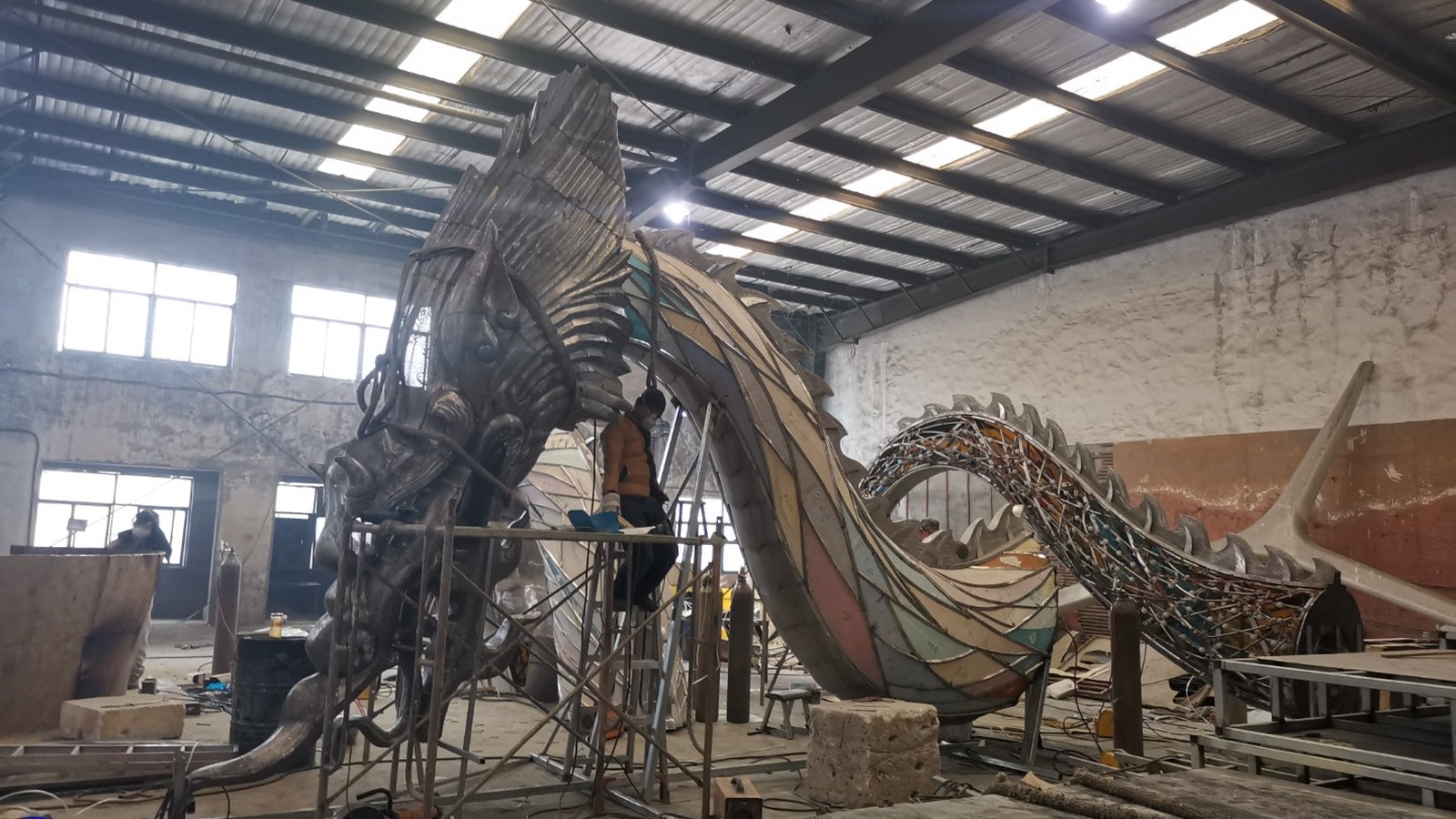
Metal fabrication brings individual components together through assembly, joining, shaping, hand finishing and CNC machining to realise the approved form.
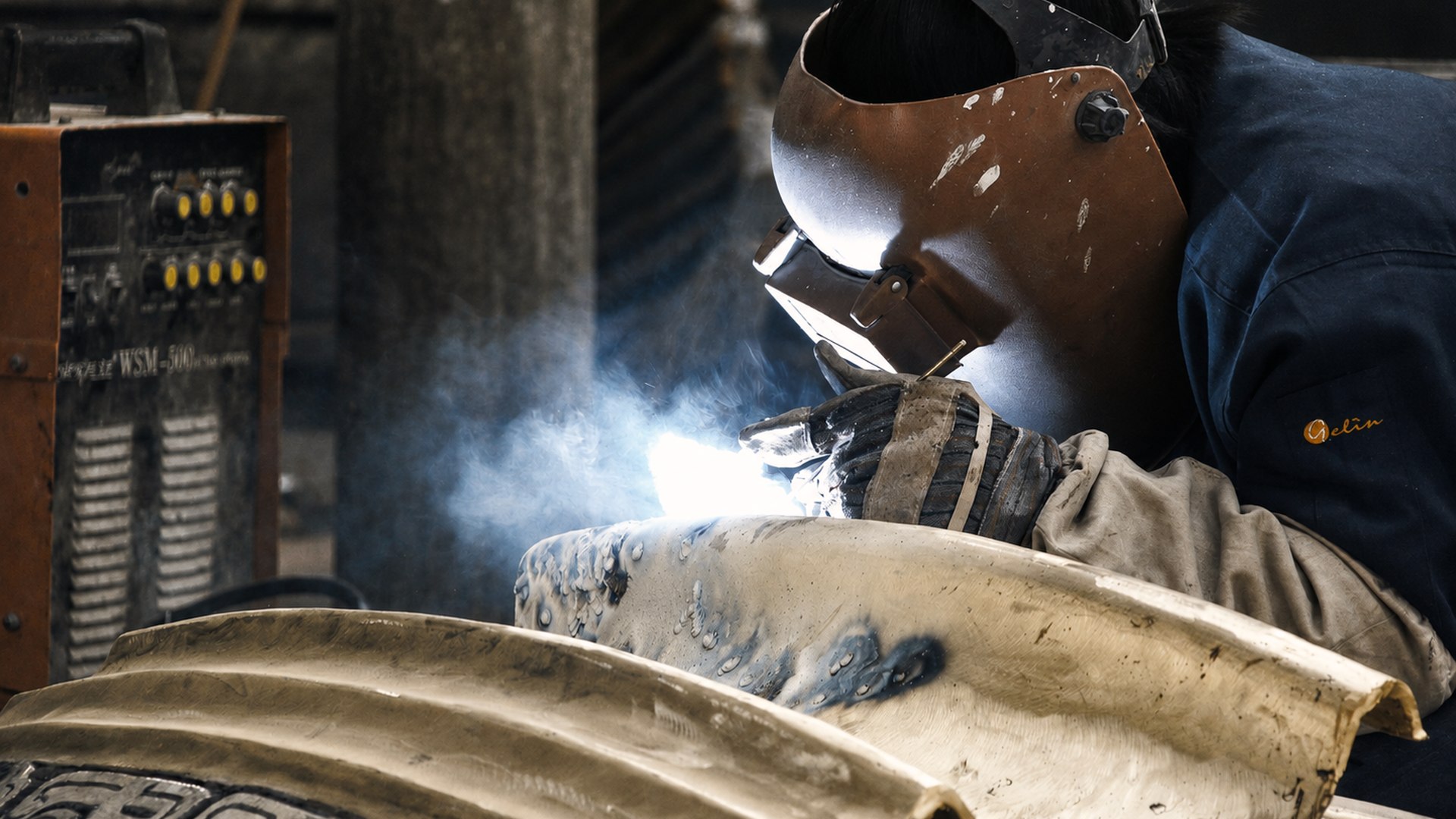
Metal sections are fitted, joined and assembled in sequence to establish the required form, alignment and structural continuity.
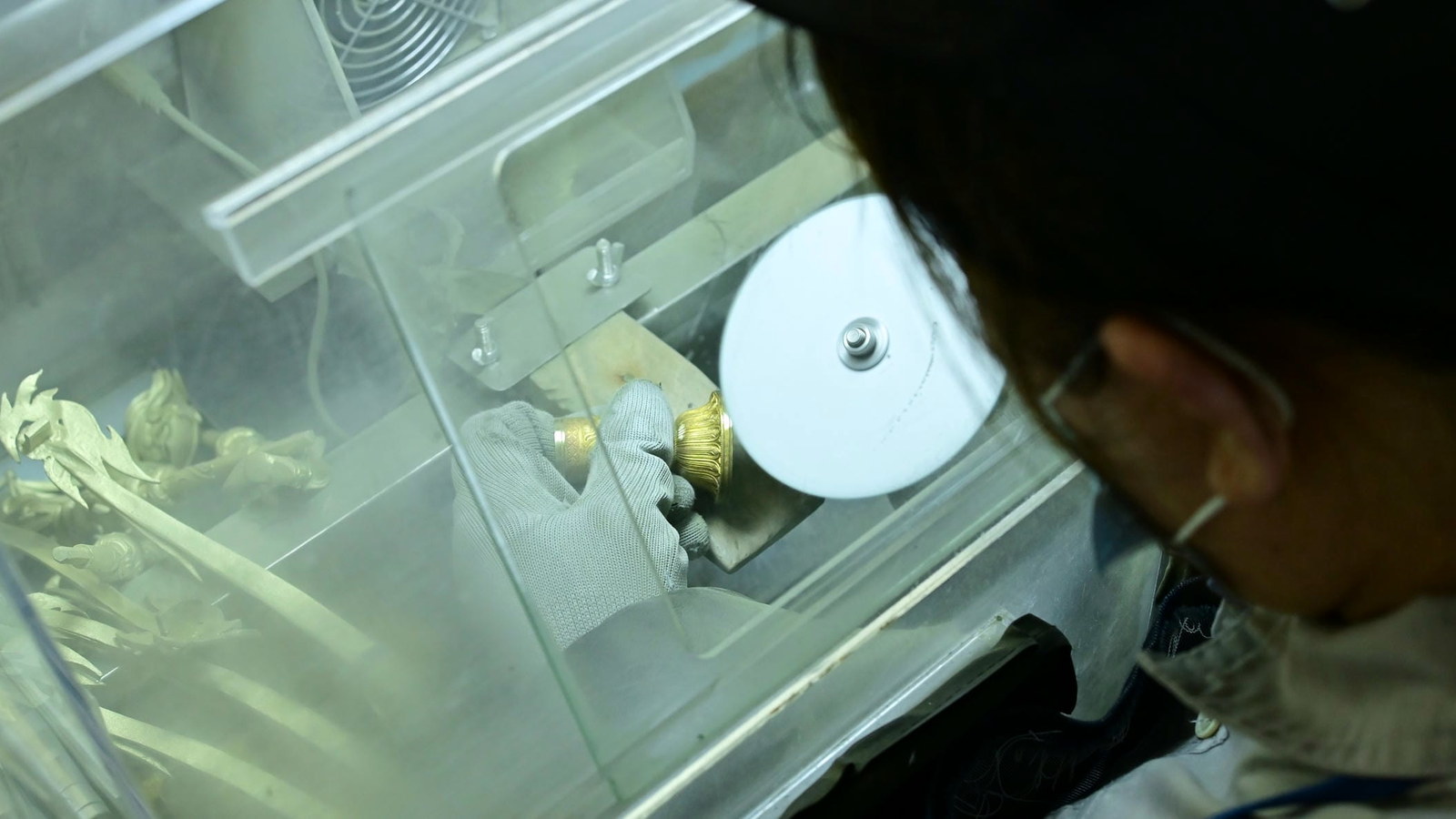
Grinding and polishing refine welds, joins and worked surfaces, preparing the metal for the specified surface treatment.
Sheet metal forming and forging shape metal through controlled deformation, supporting both fabricated volumes and hand-worked forms.
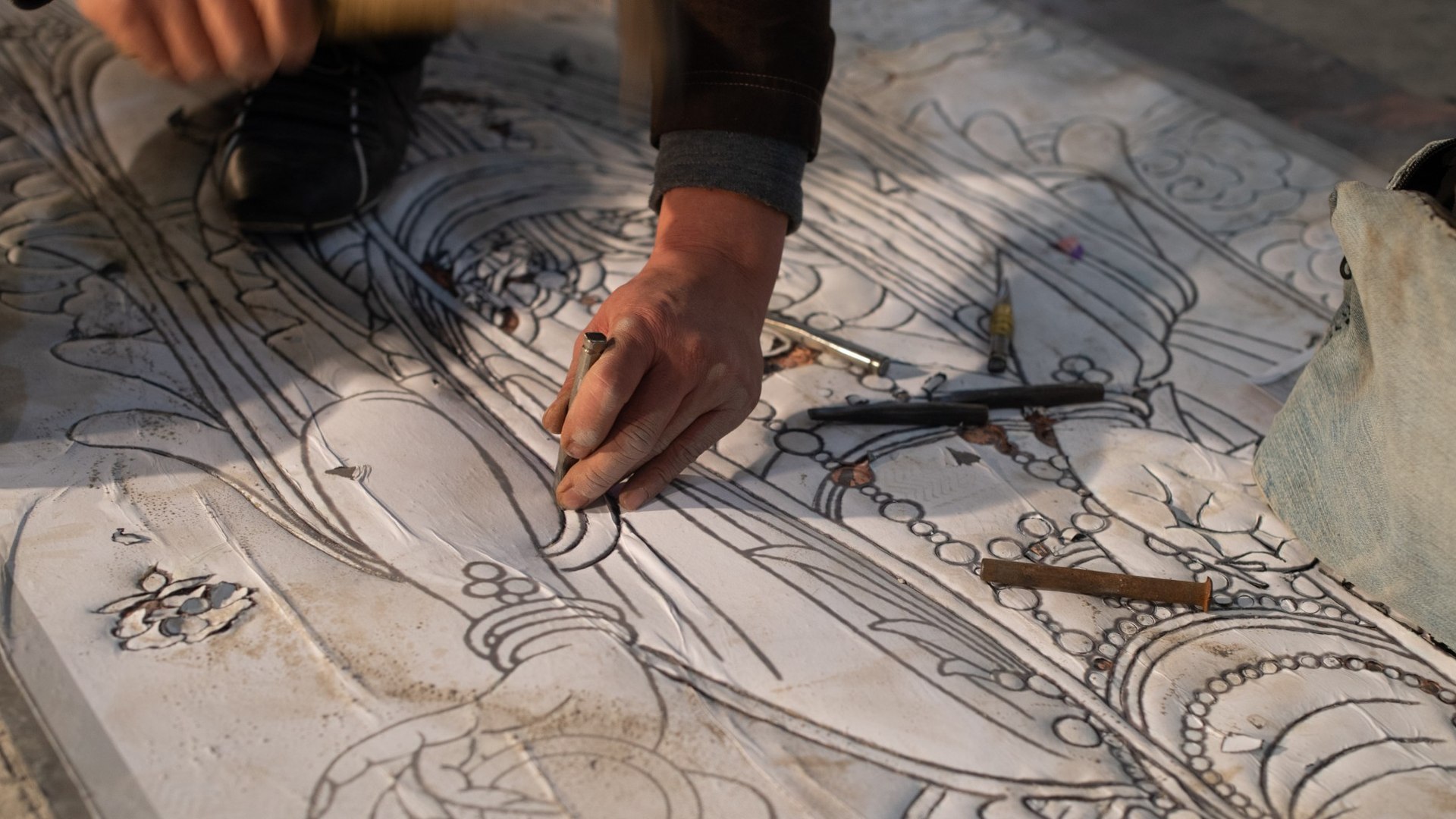
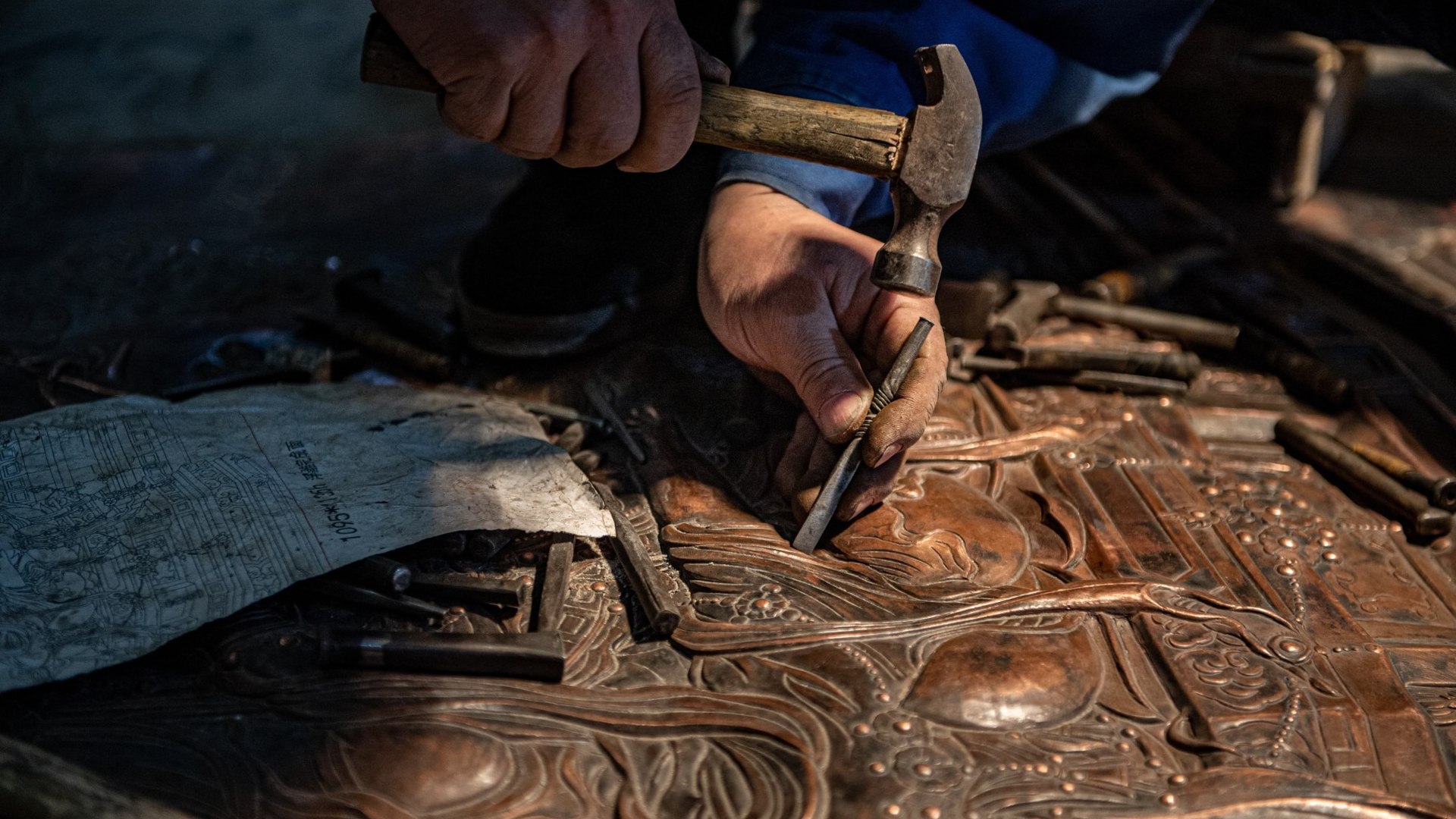
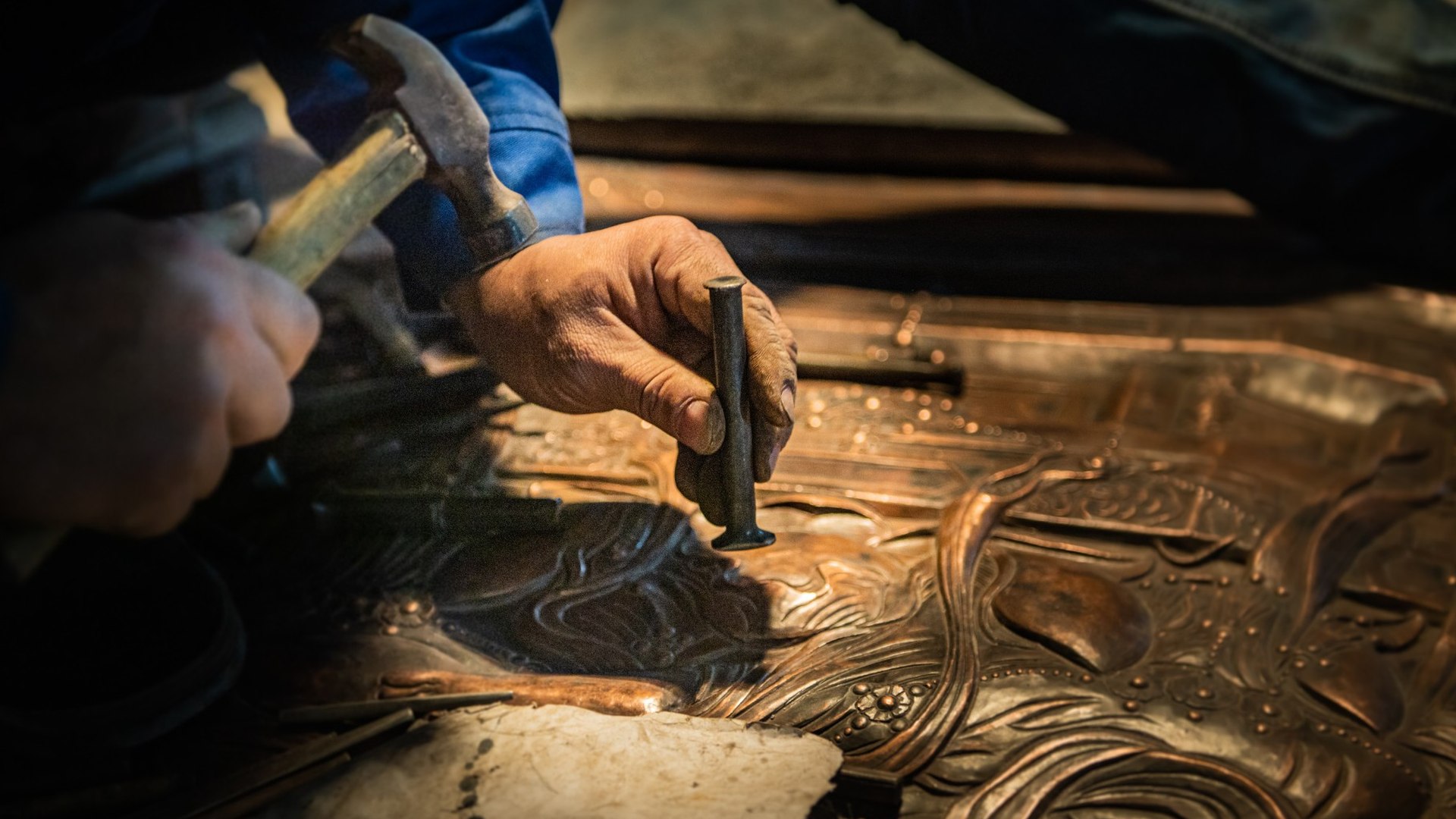
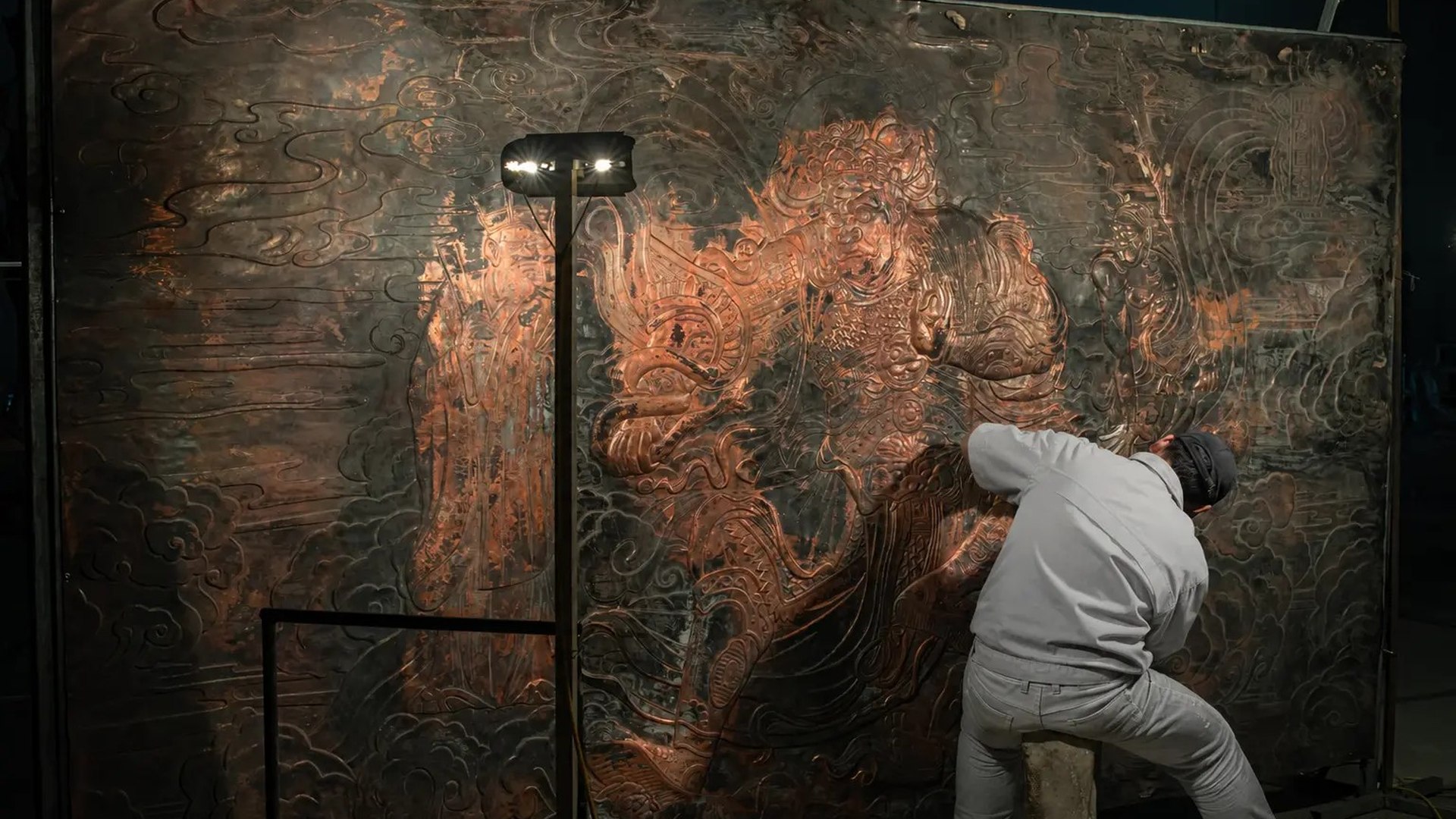
Hand chasing develops lines, relief and fine surface detail directly in the metal through measured, tool-by-tool work.
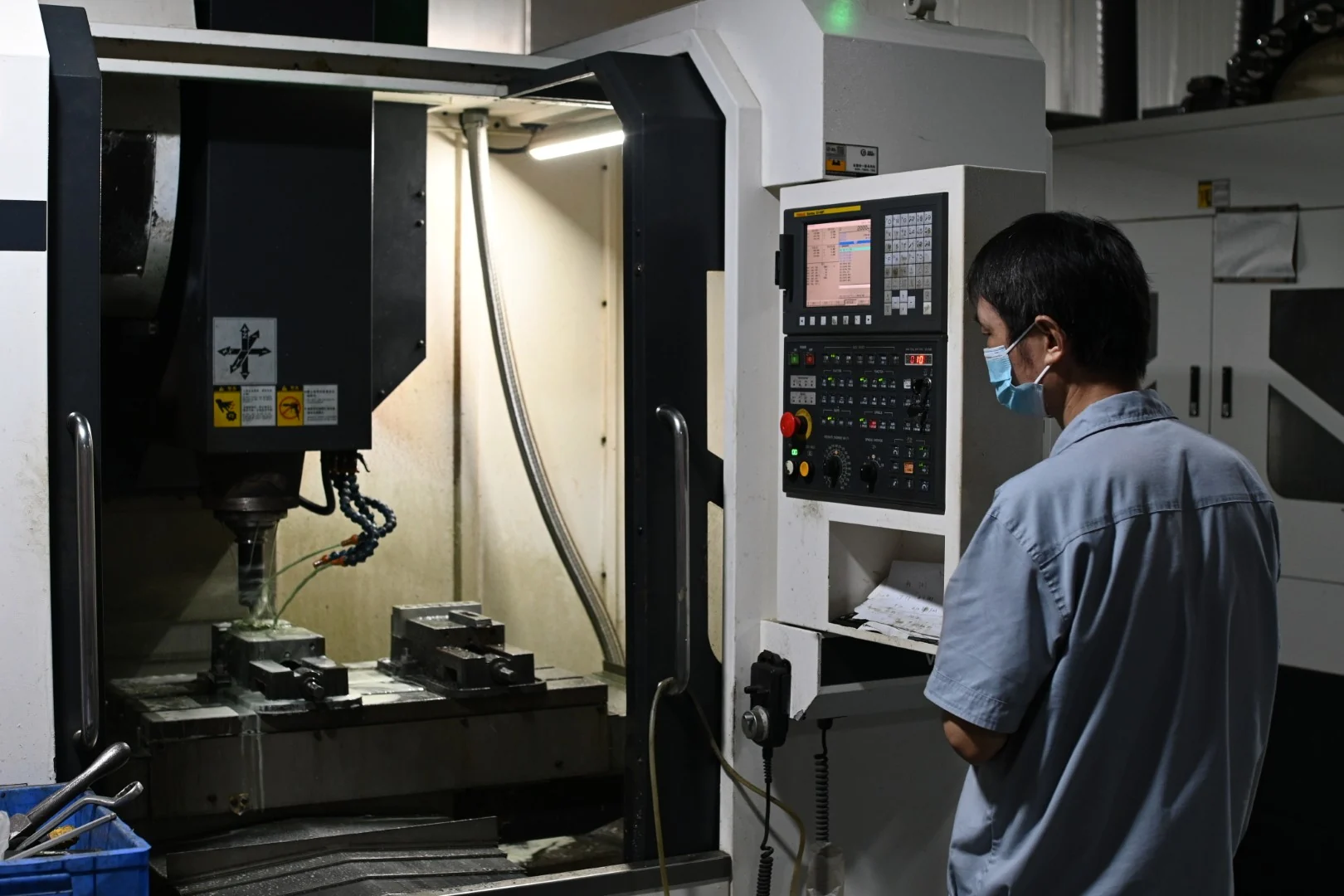
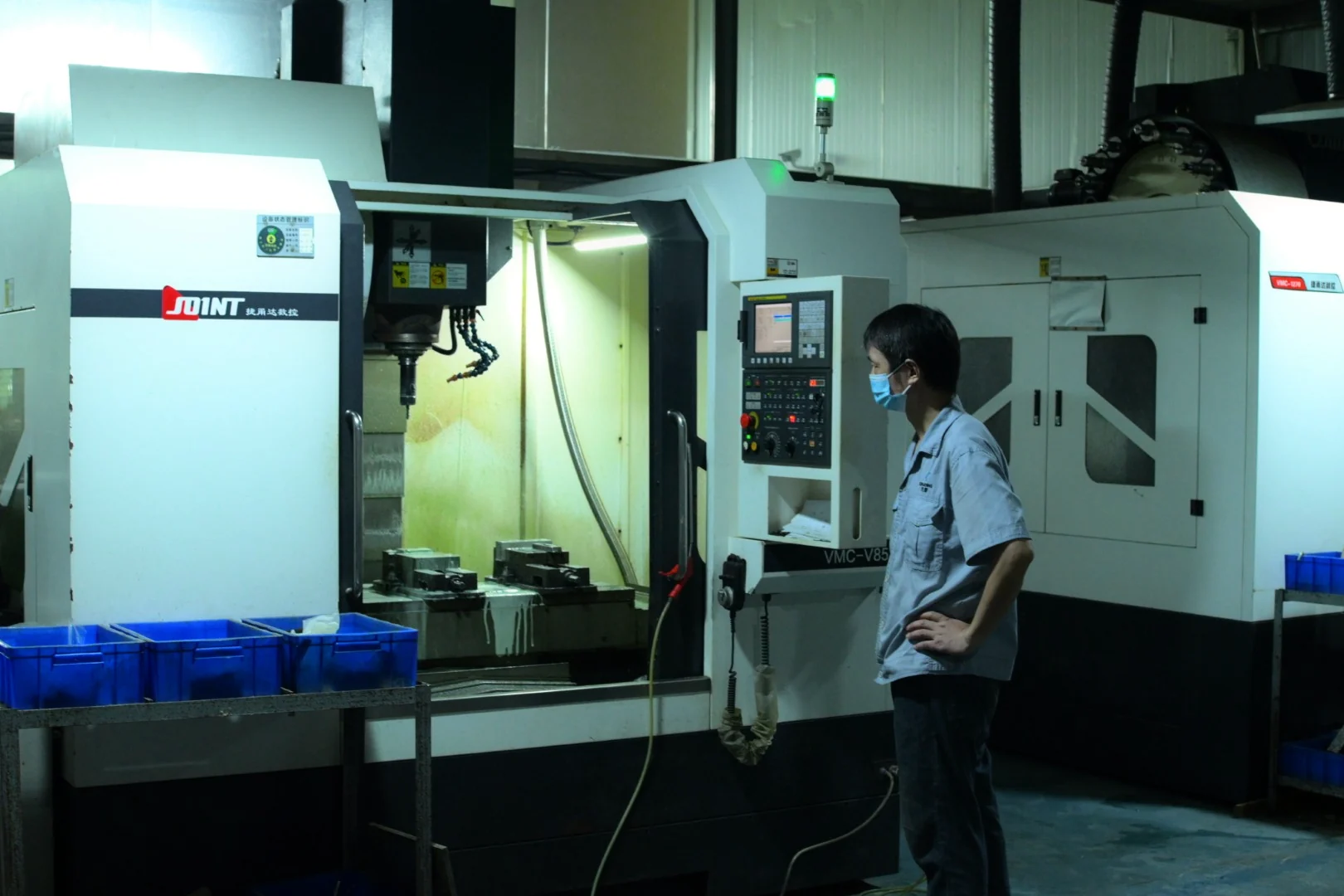
Digital files guide CNC machining to produce and refine components with controlled, repeatable geometry.
07 / 11
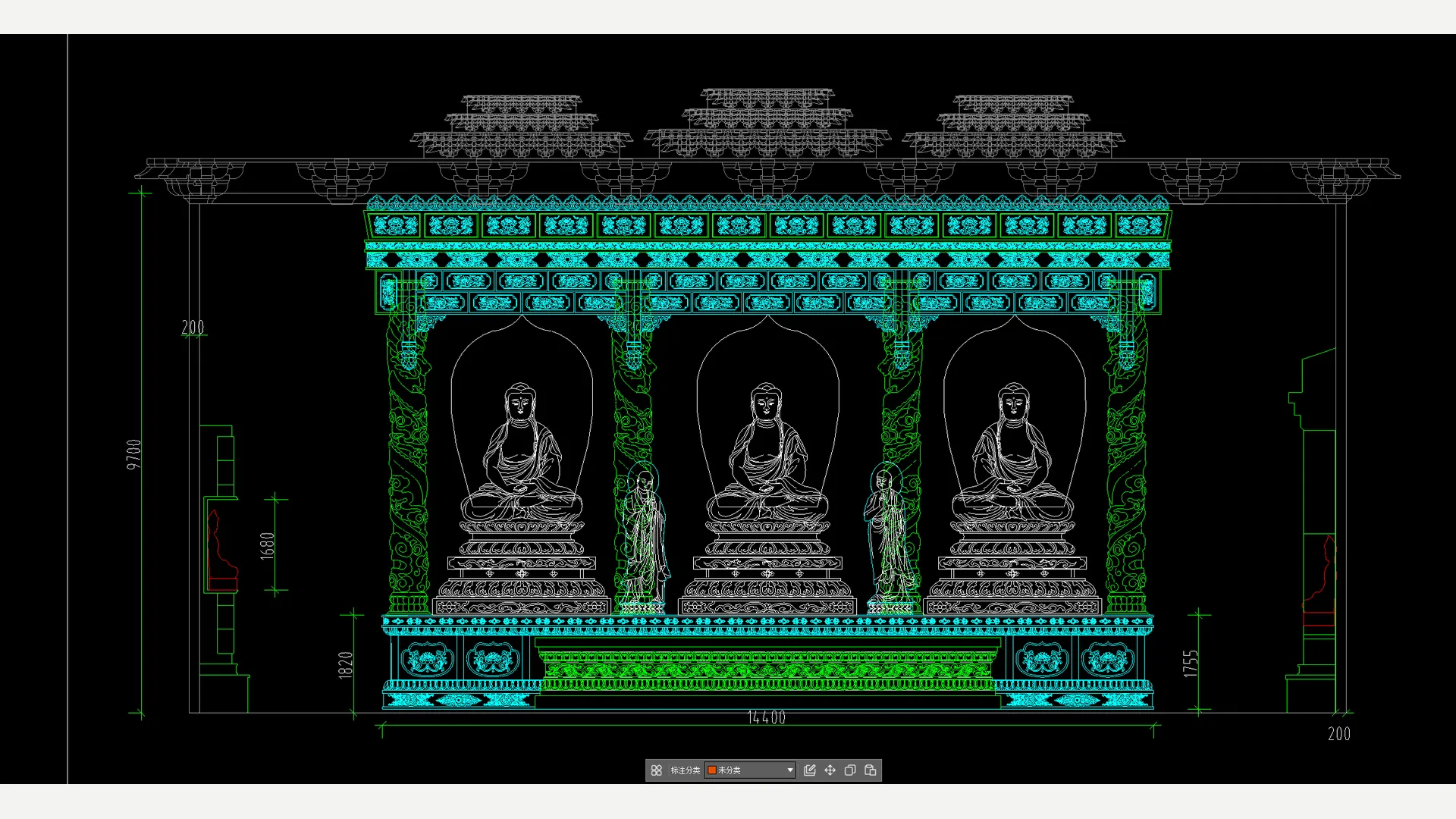
Engineering development brings together structural detailing, mechanical integration, installation planning and electrical systems to turn an approved design into a buildable artwork.
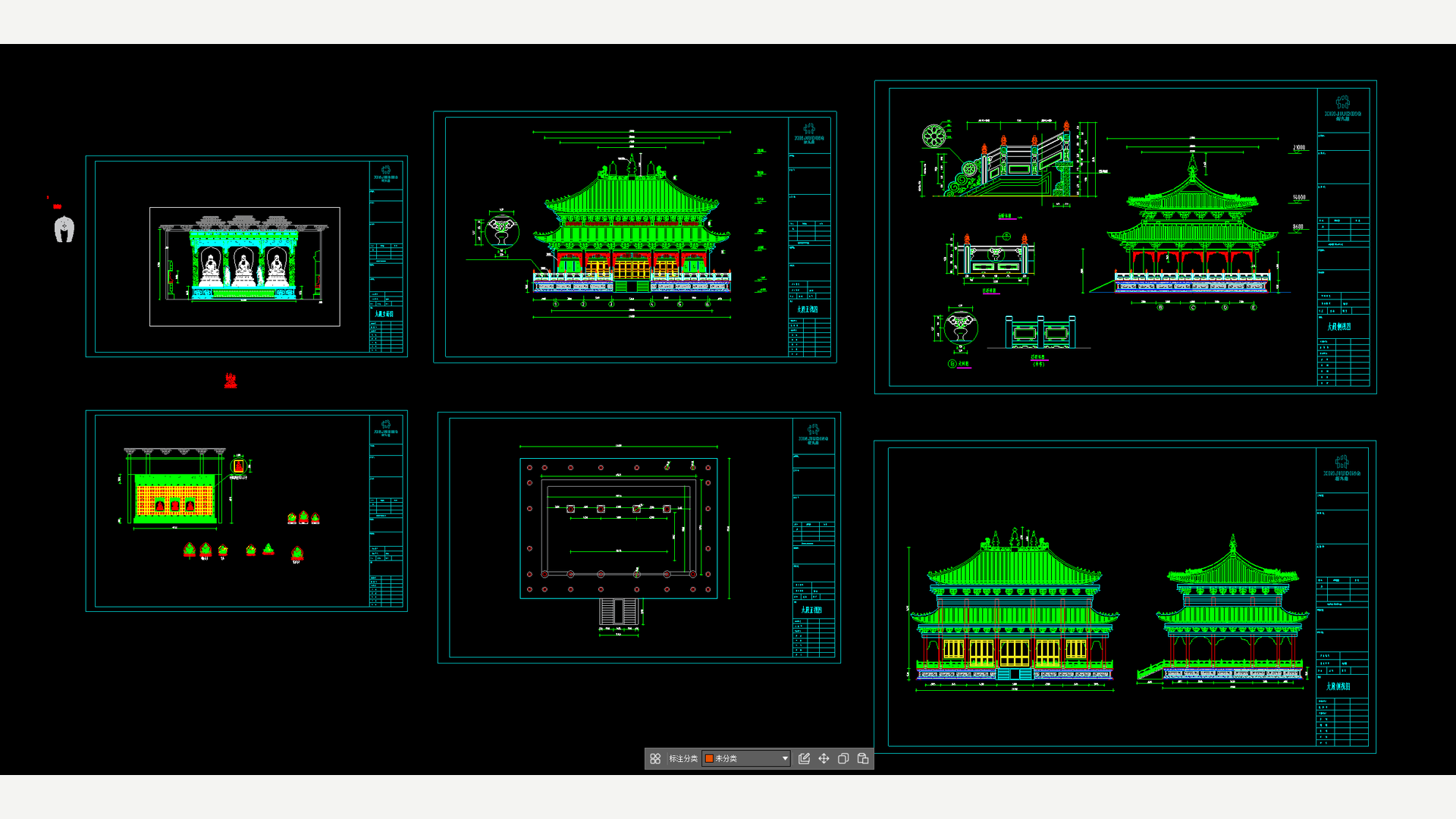
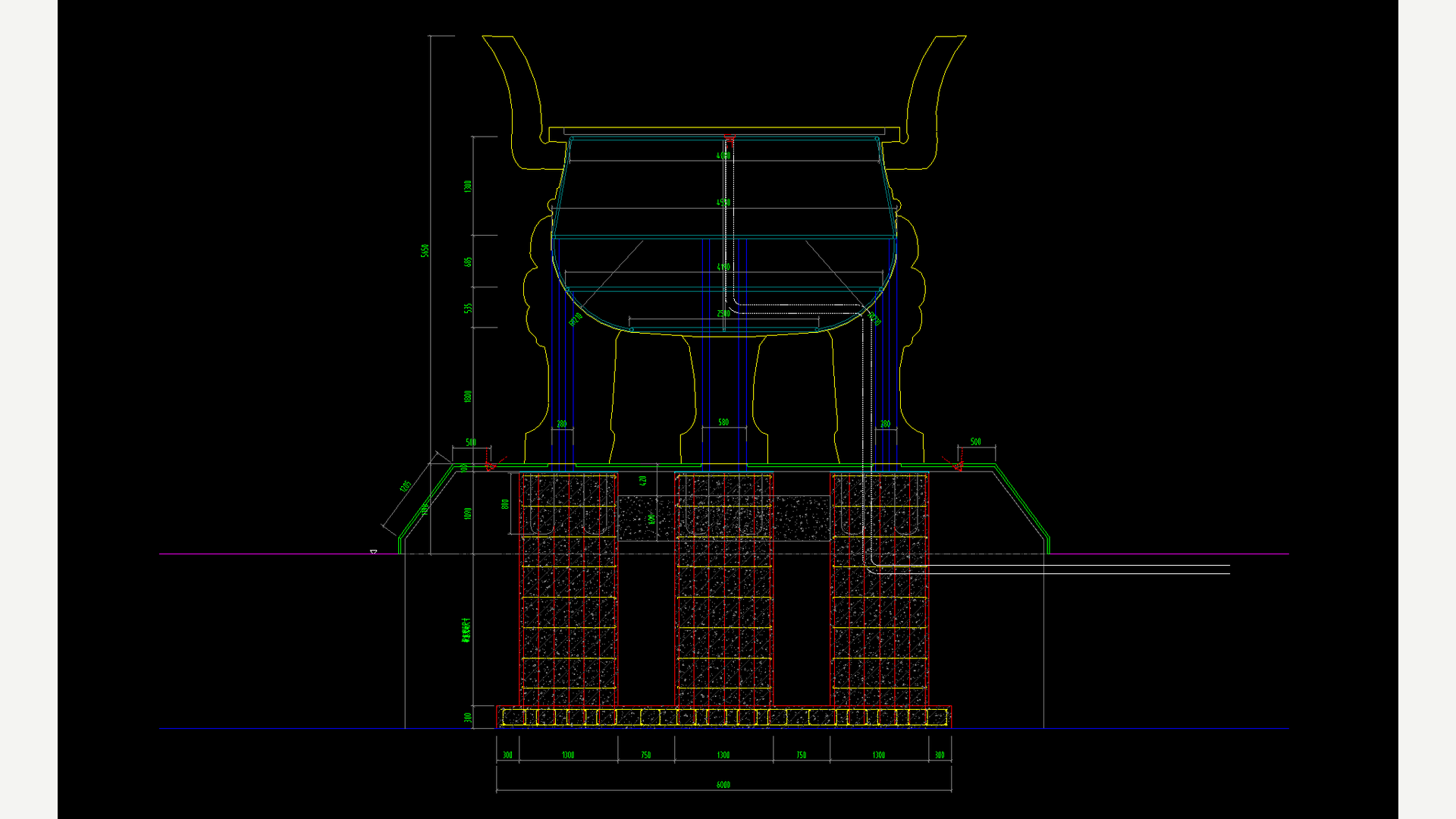
Technical drawings define dimensions, connections and support arrangements, coordinating the artwork with its supporting structure and intended location. These details guide fabrication and installation.
Mechanical design brings the frame, equipment and control components into a coordinated assembly, considering how the system fits within the artwork and can be accessed for adjustment and maintenance.

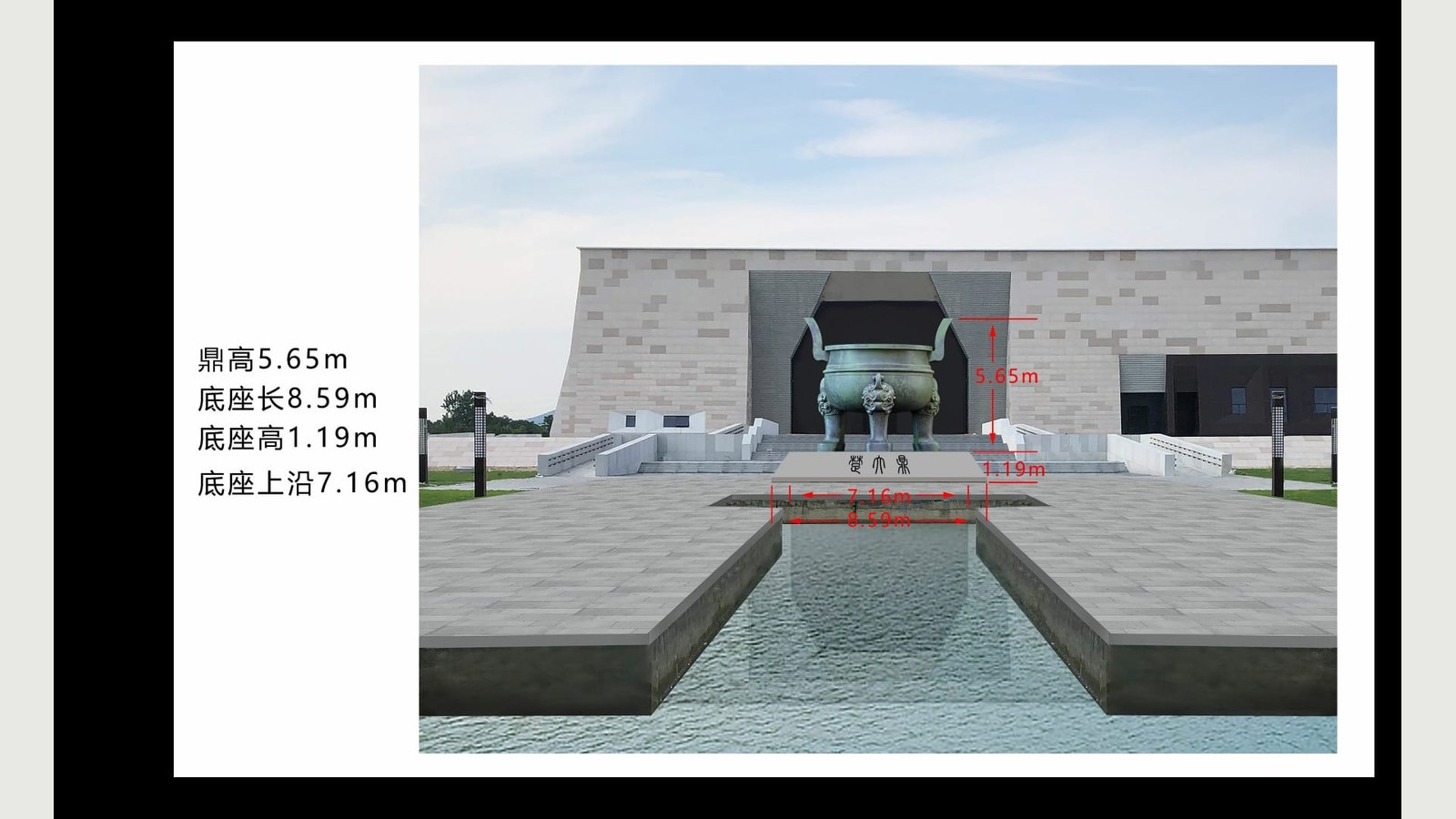
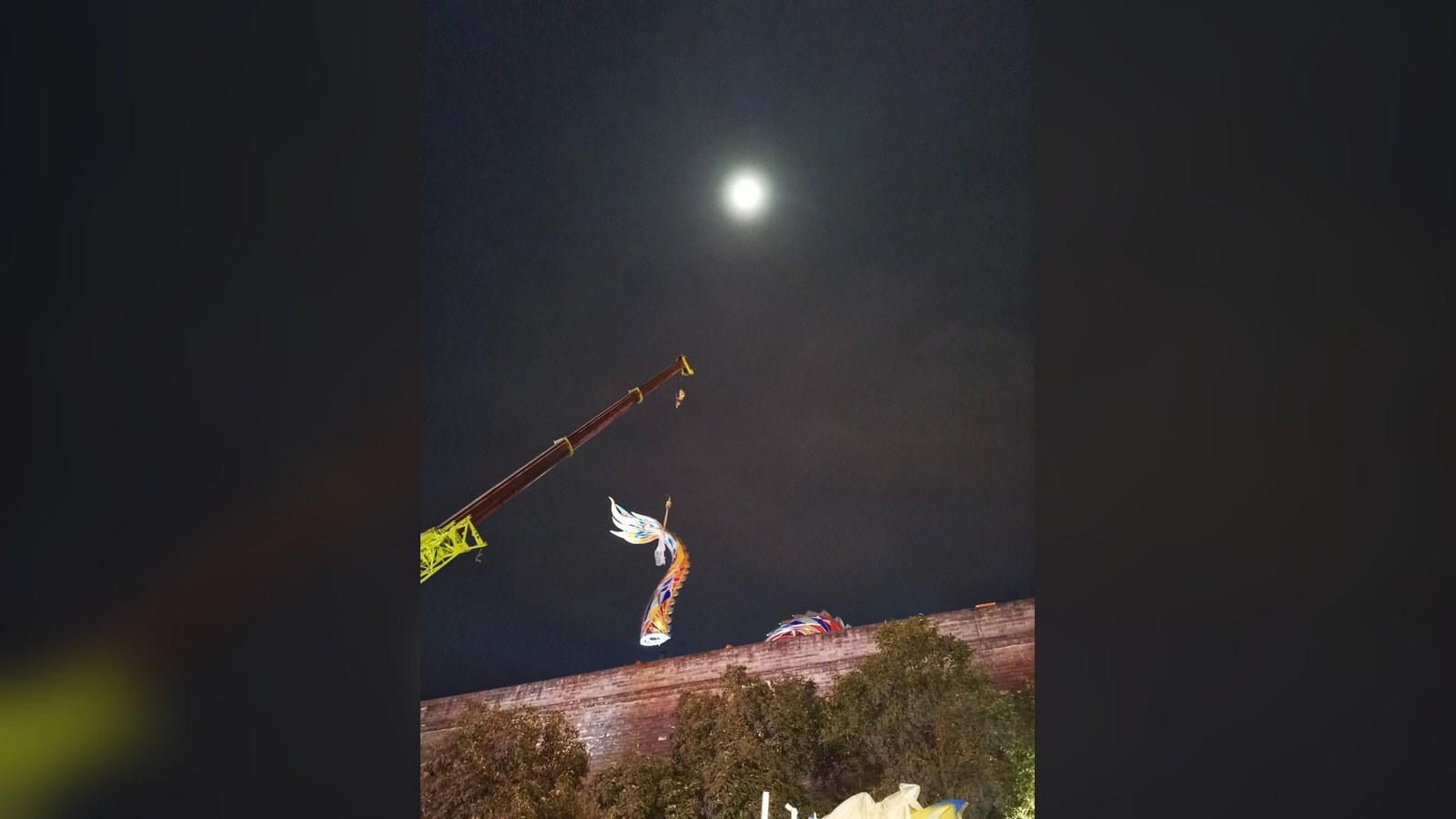
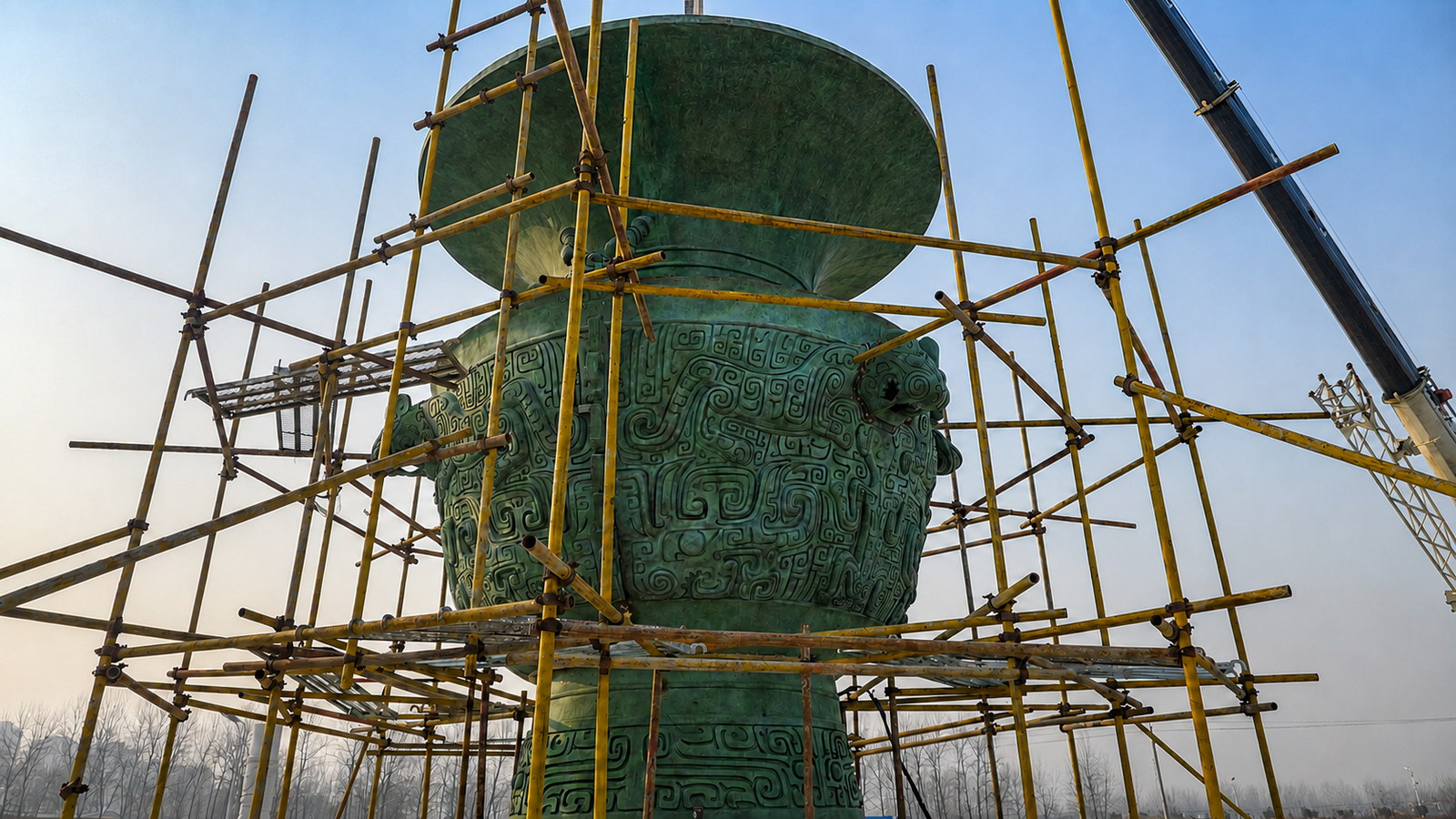
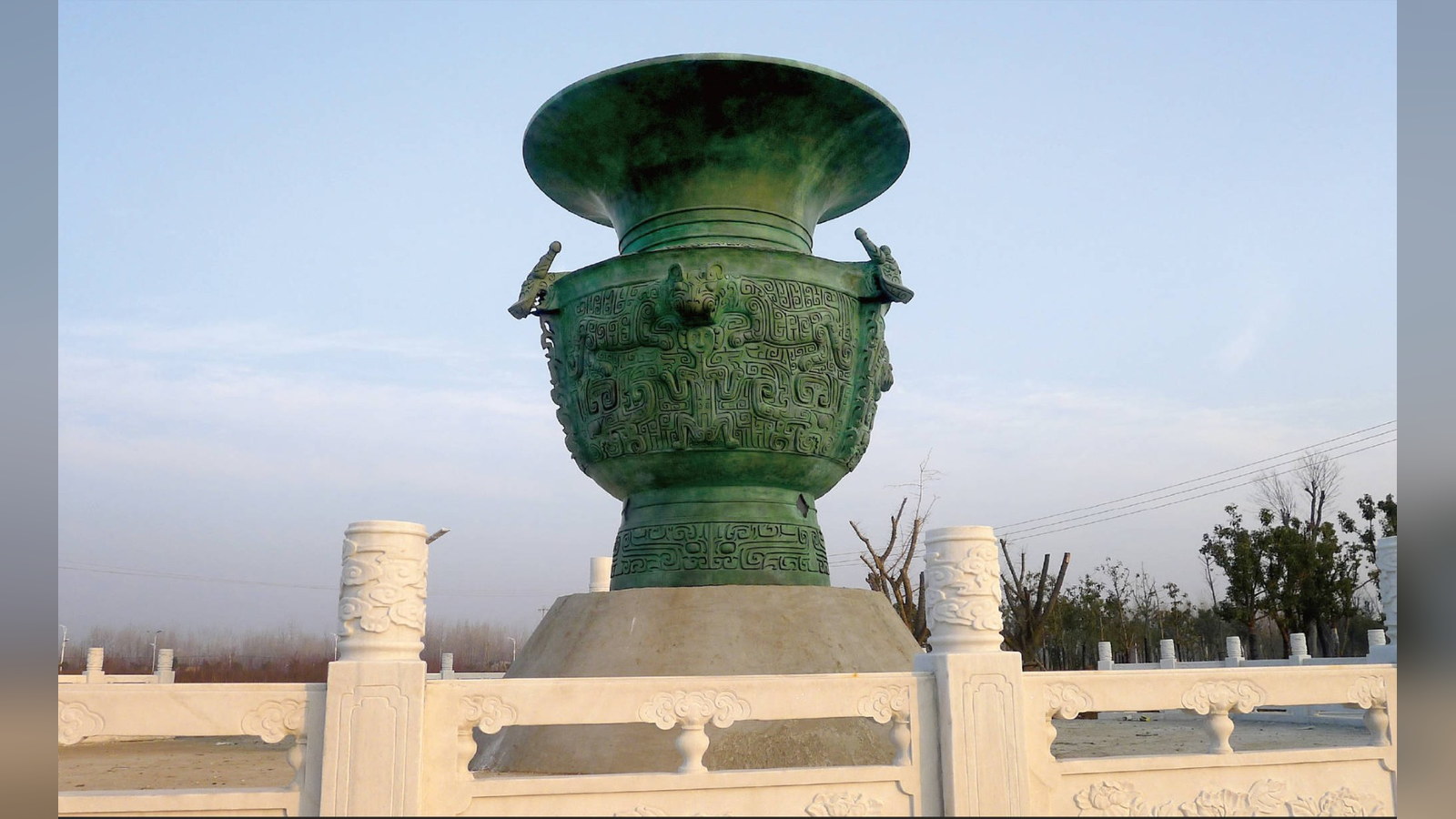
Installation planning connects the artwork to its site through dimensional coordination, foundation and support details, and lifting arrangements. Drawings and site references help guide positioning and assembly.
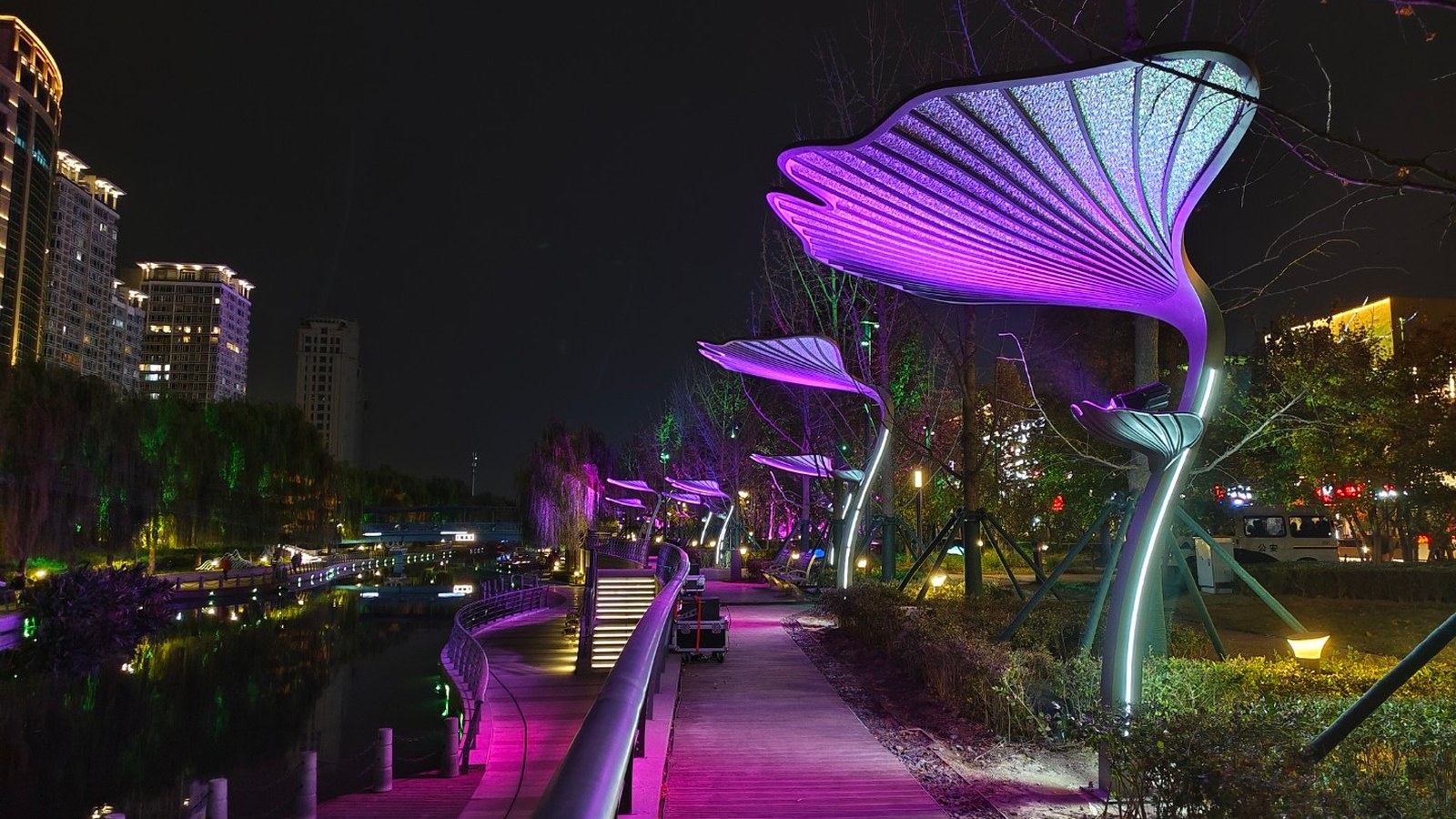
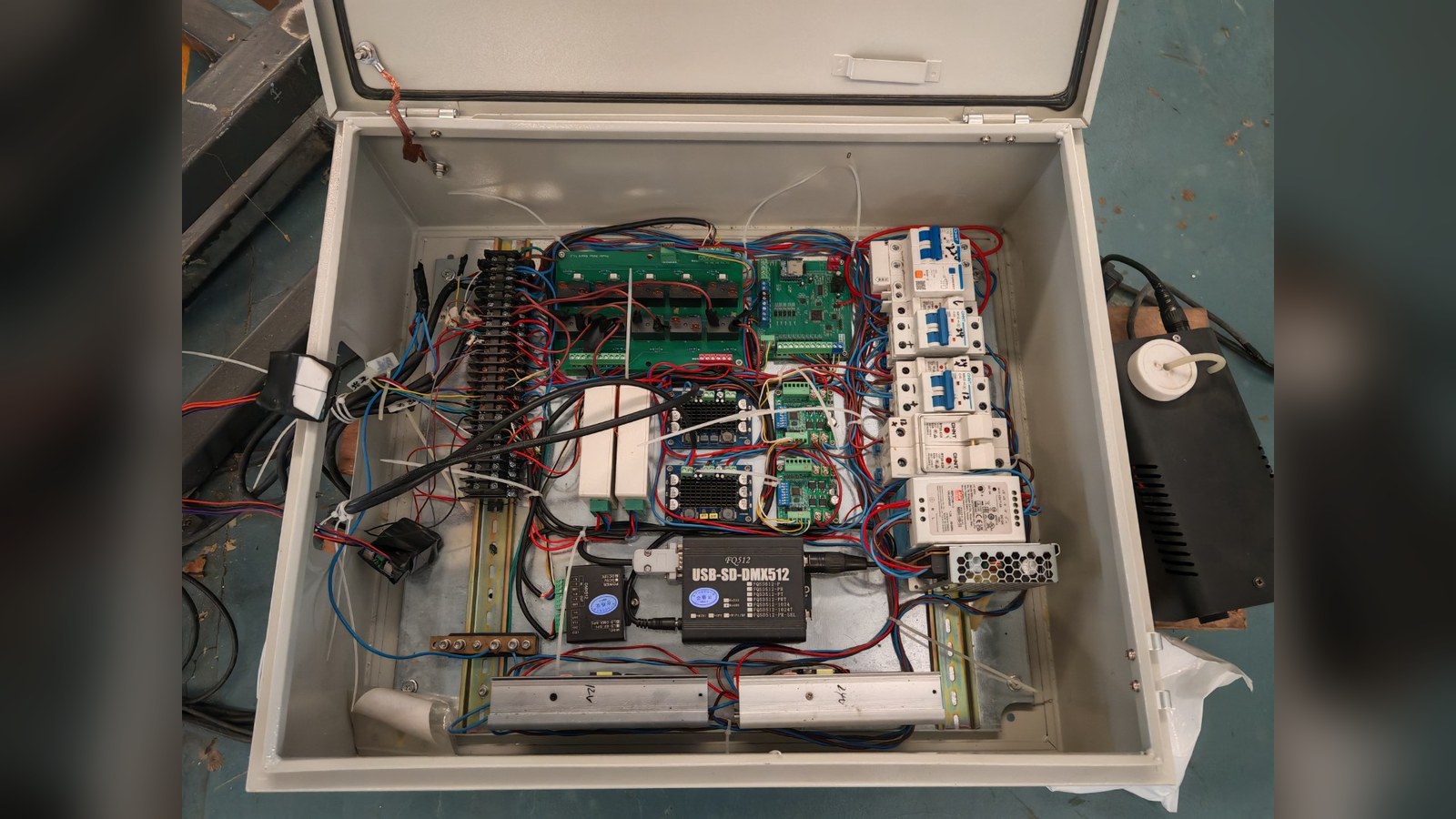
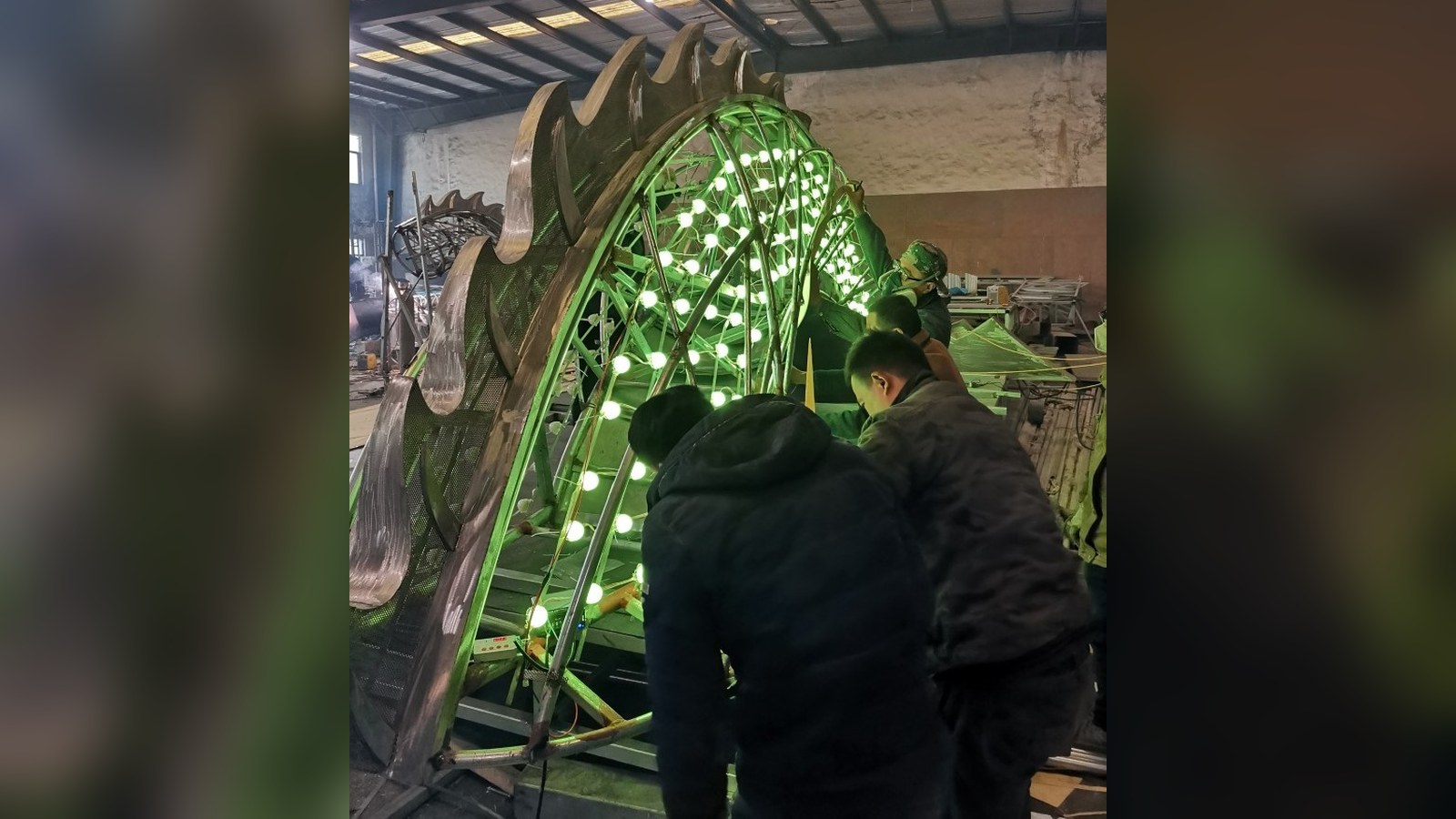
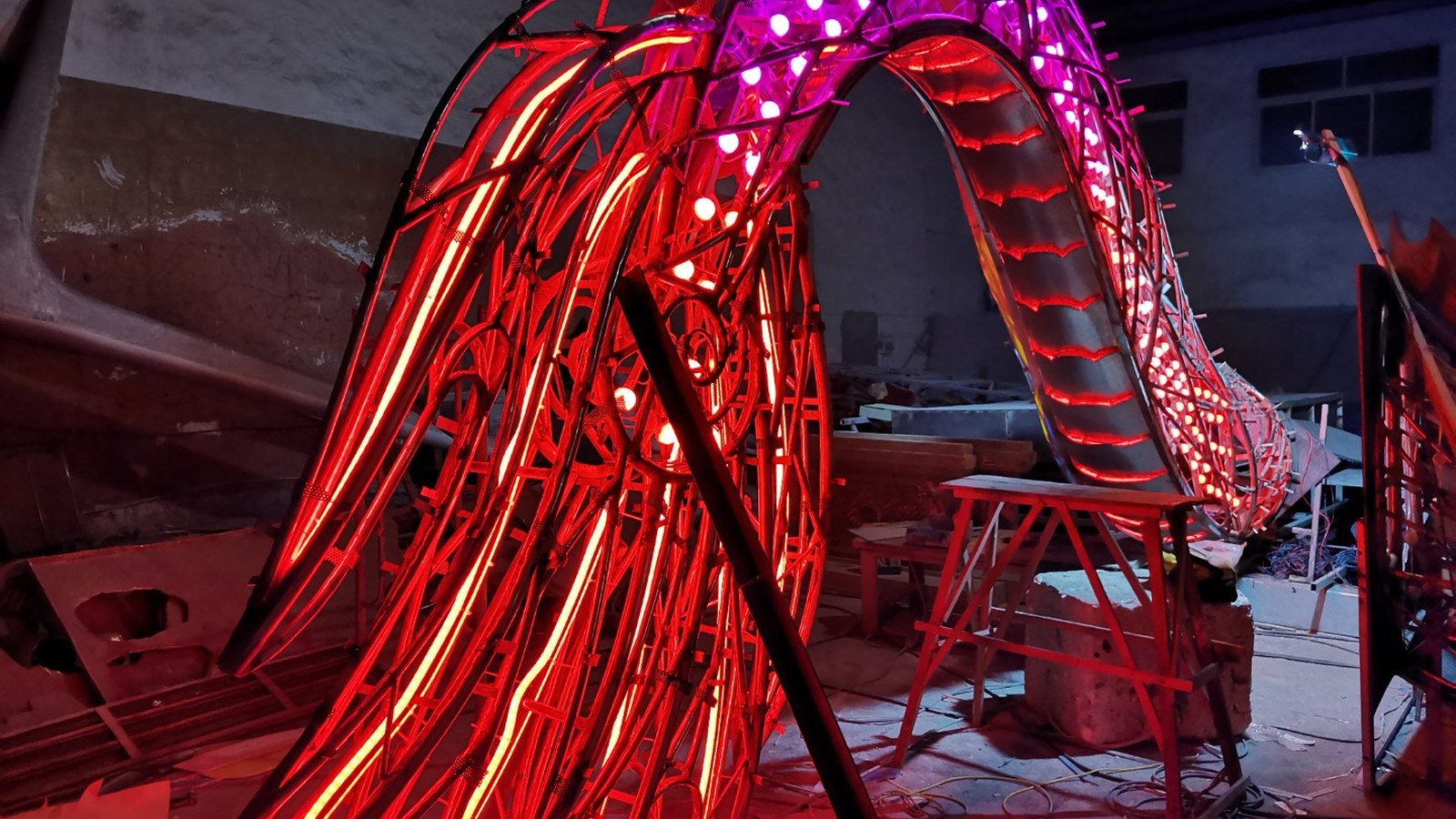
Electrical integration brings power, wiring, lighting and control equipment together within the artwork. Workshop assembly and lighting checks help coordinate the visible effects with the equipment behind them.
08 / 11
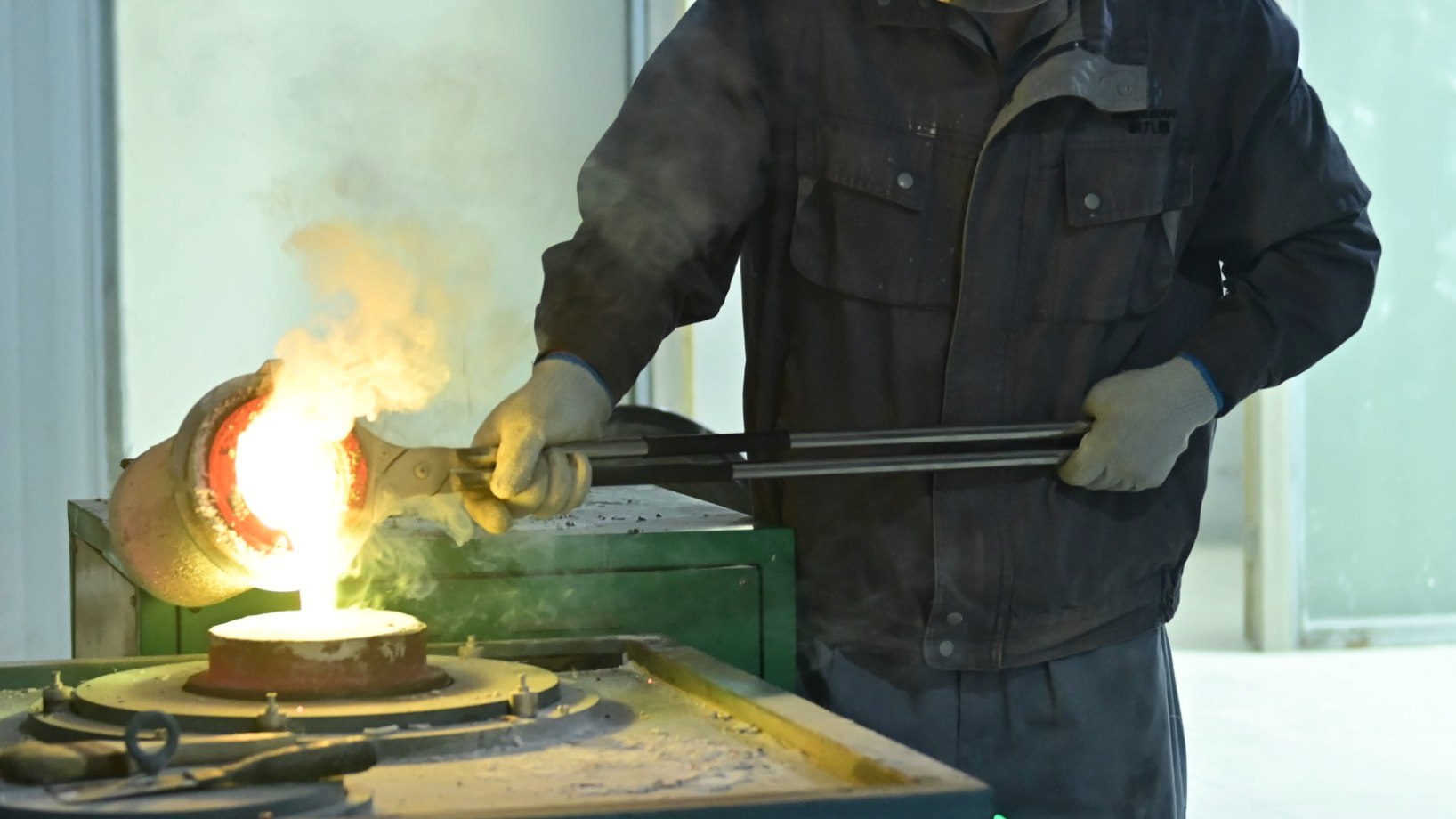
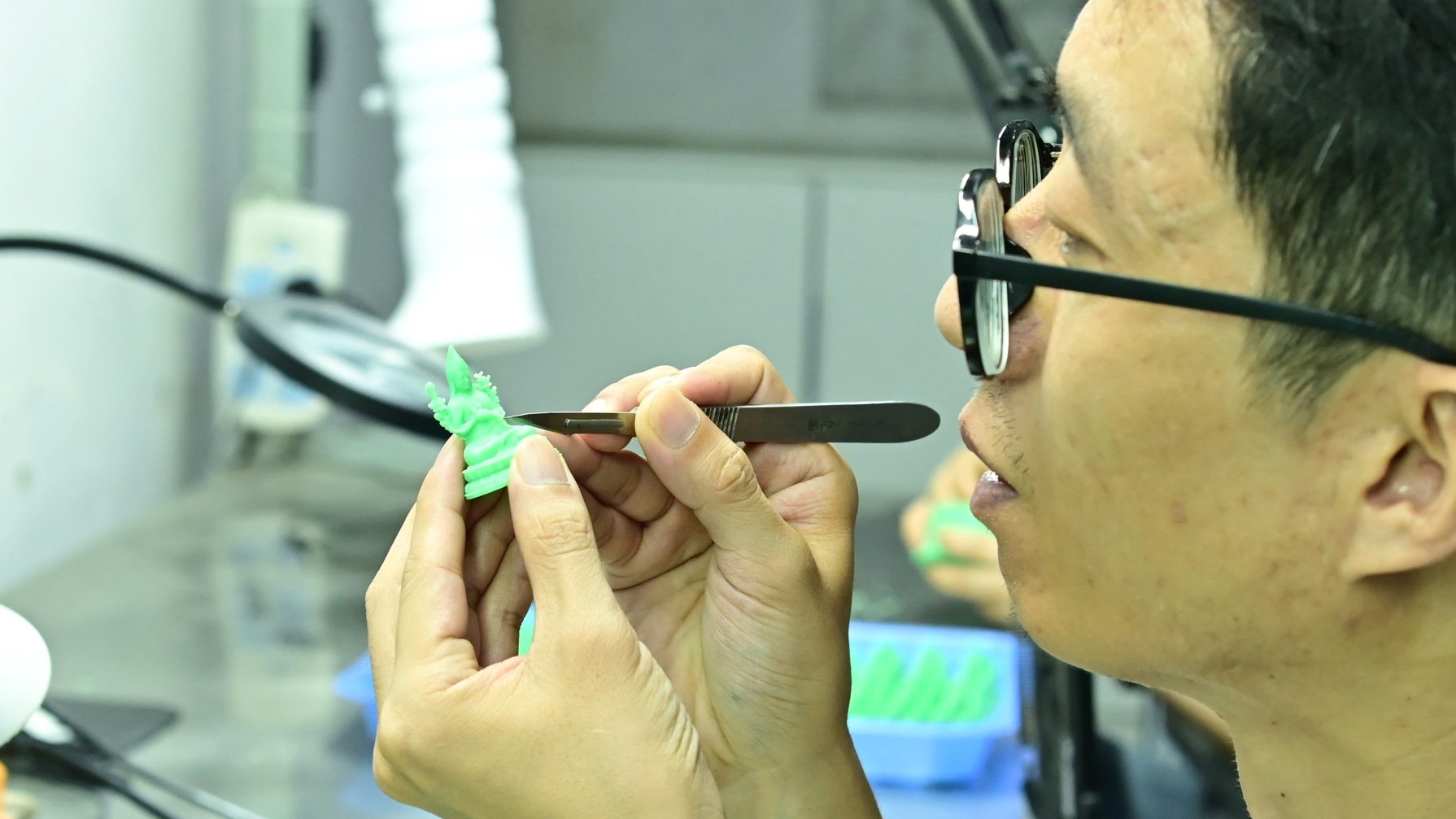
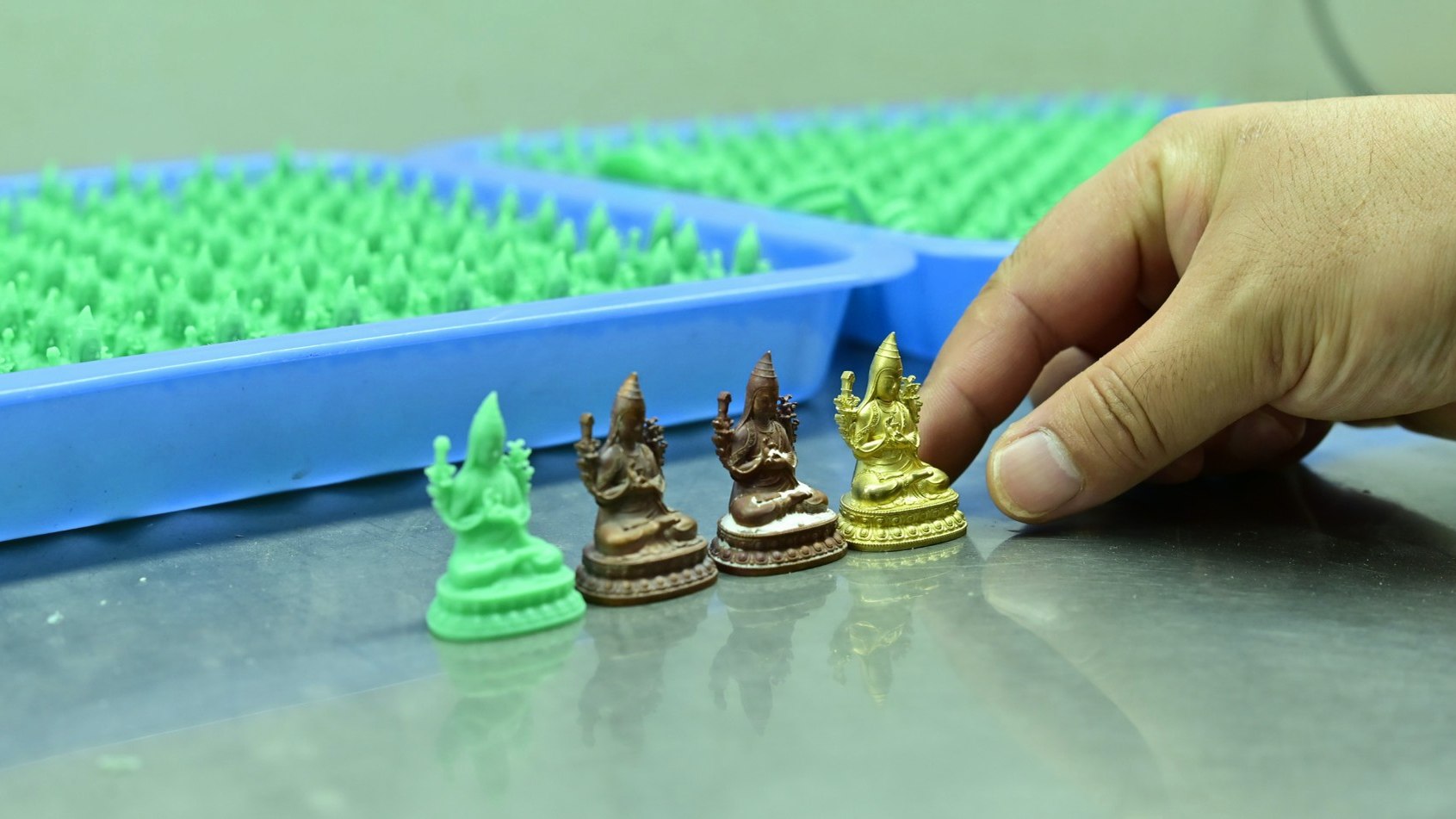
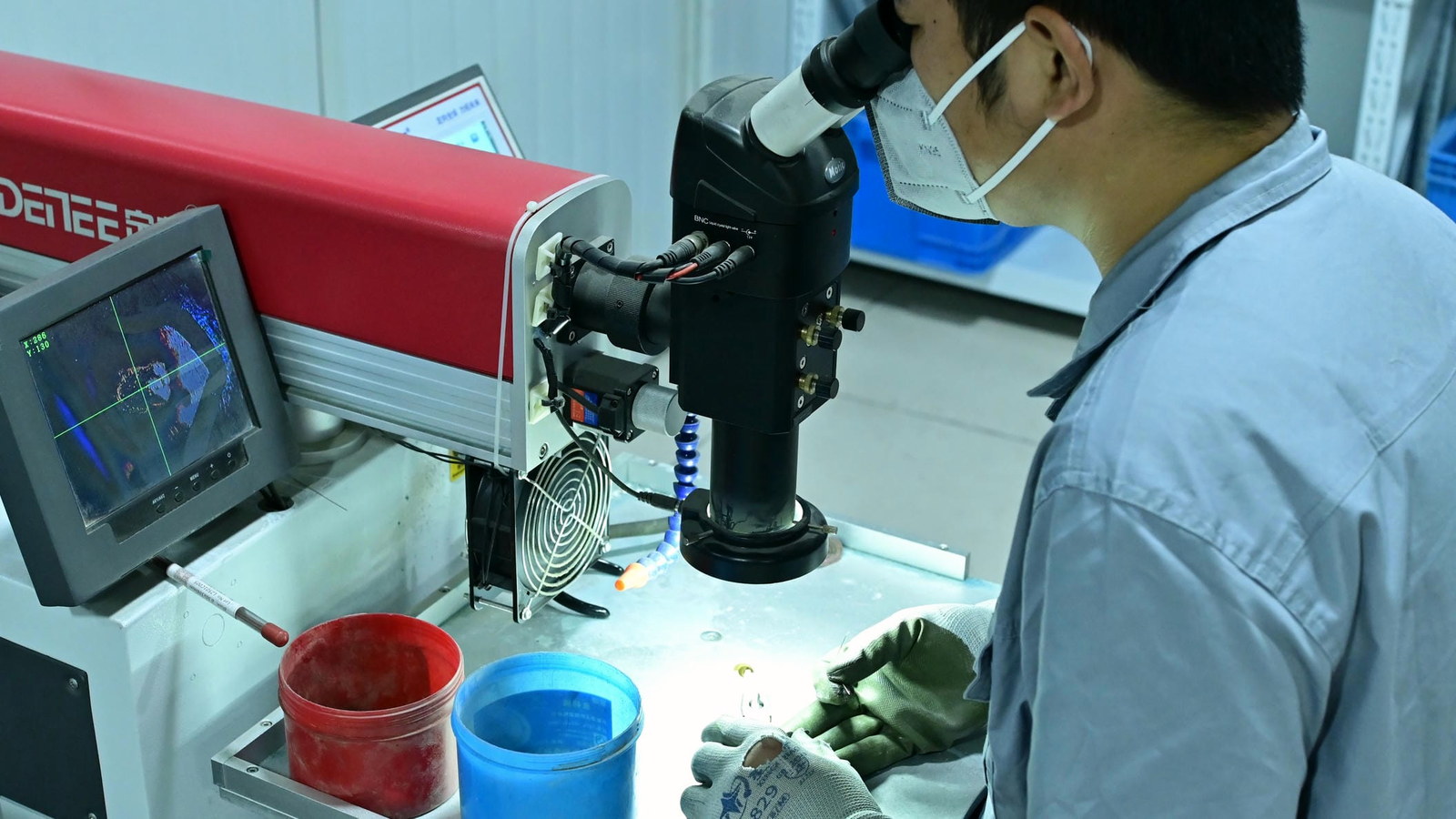
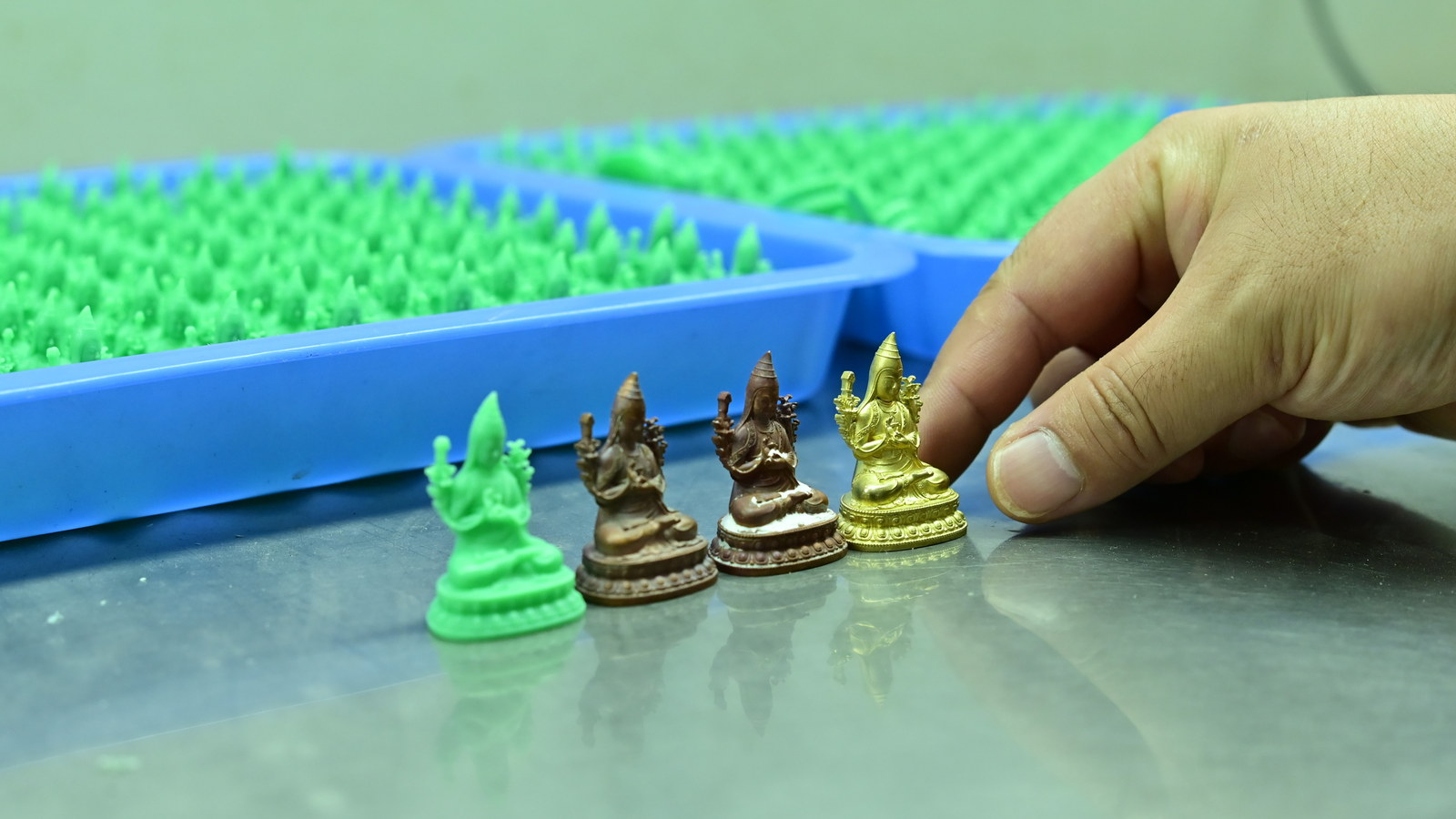
Our work in precious metals draws on precision casting and fine metalworking, bringing close attention to form, surface and detail at a small scale.
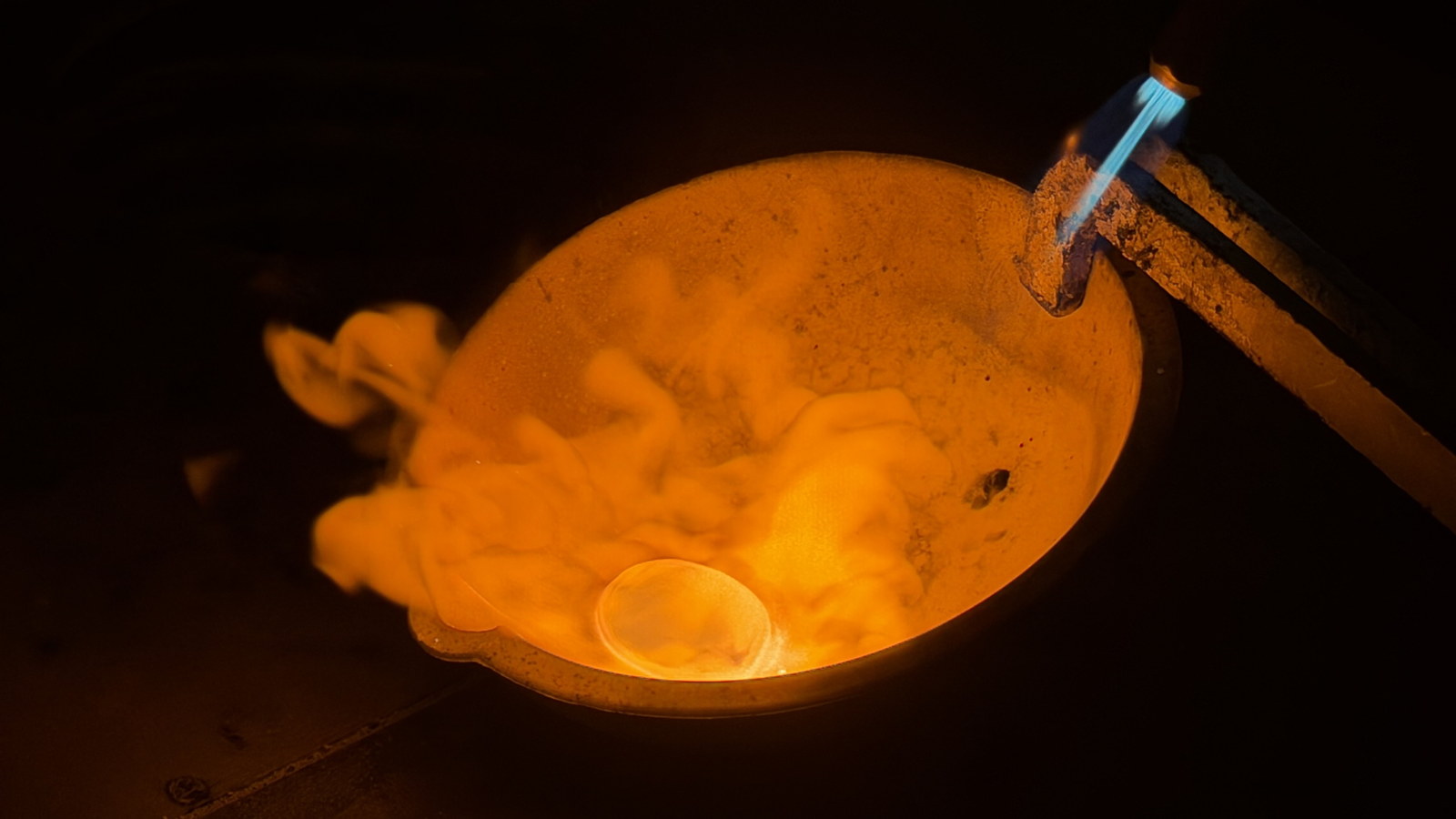
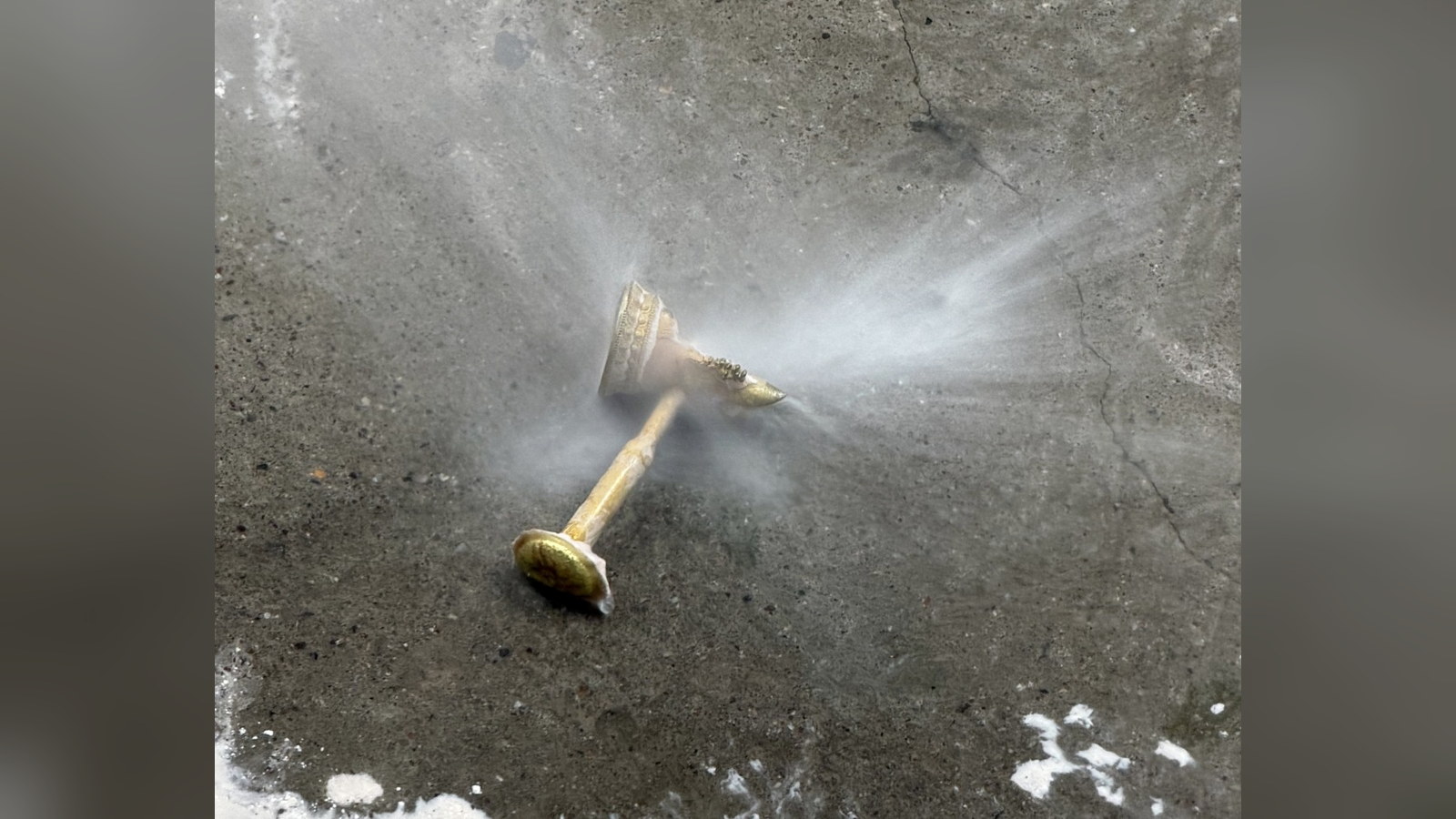
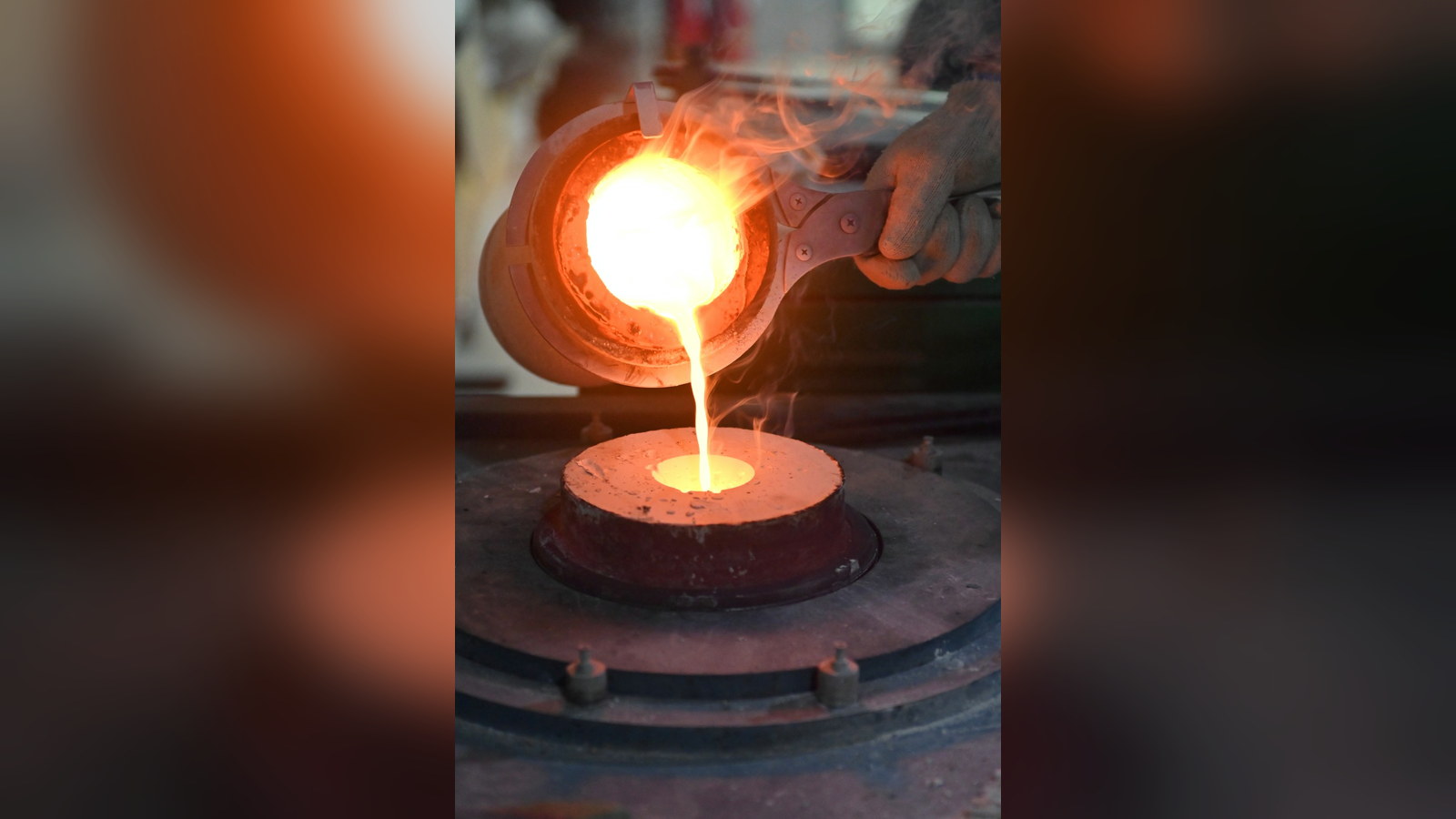
Wax preparation, casting, welding and polishing support the production of finely detailed metal pieces. Gold melting and casting form part of this work, alongside close attention to small features and surface finish.
Pendants, sculptural jewellery and ornamental bases bring together relief, texture and decorative detail. Distinct forms and carefully finished surfaces give each piece its individual character.
09 / 11
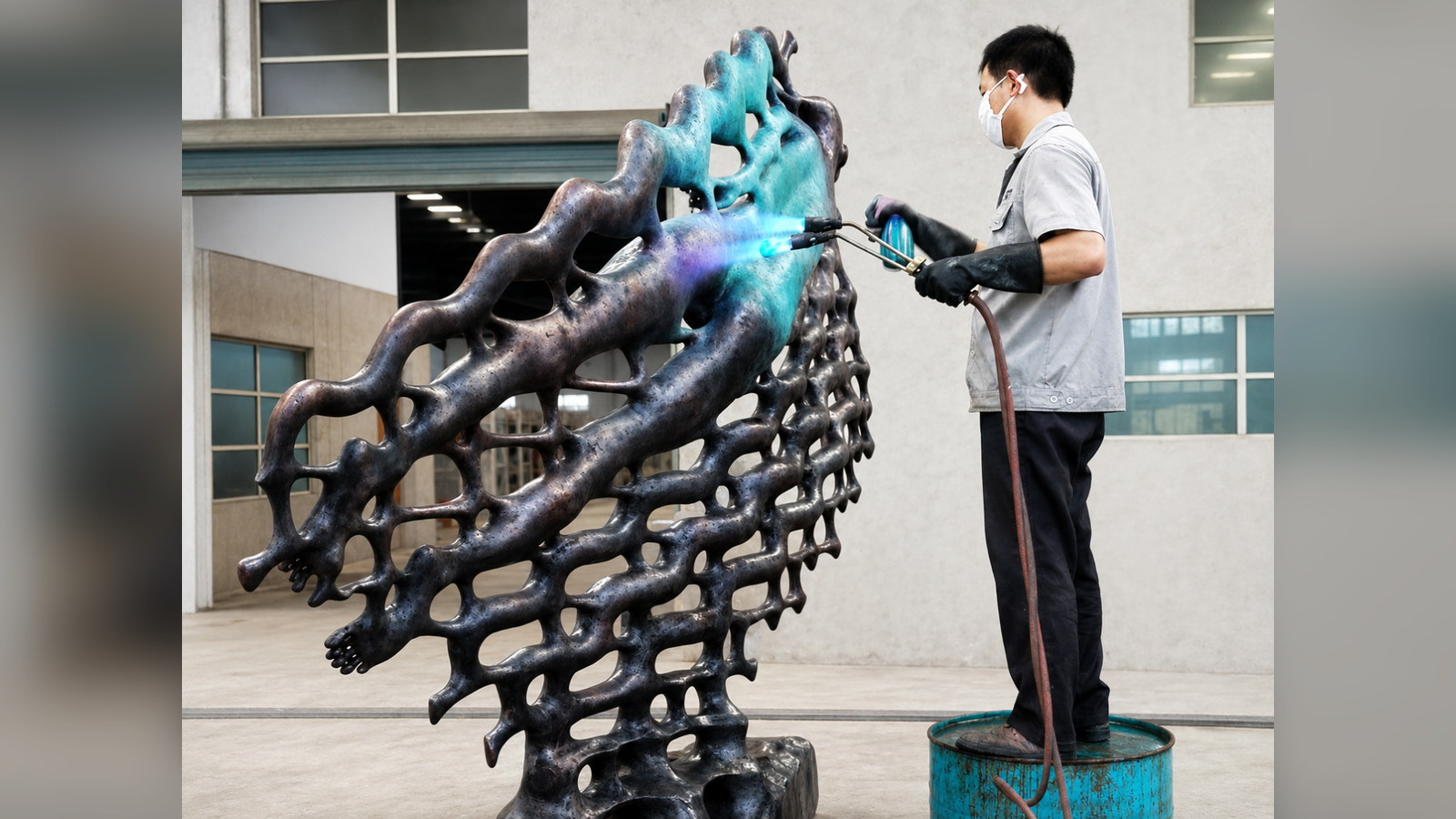
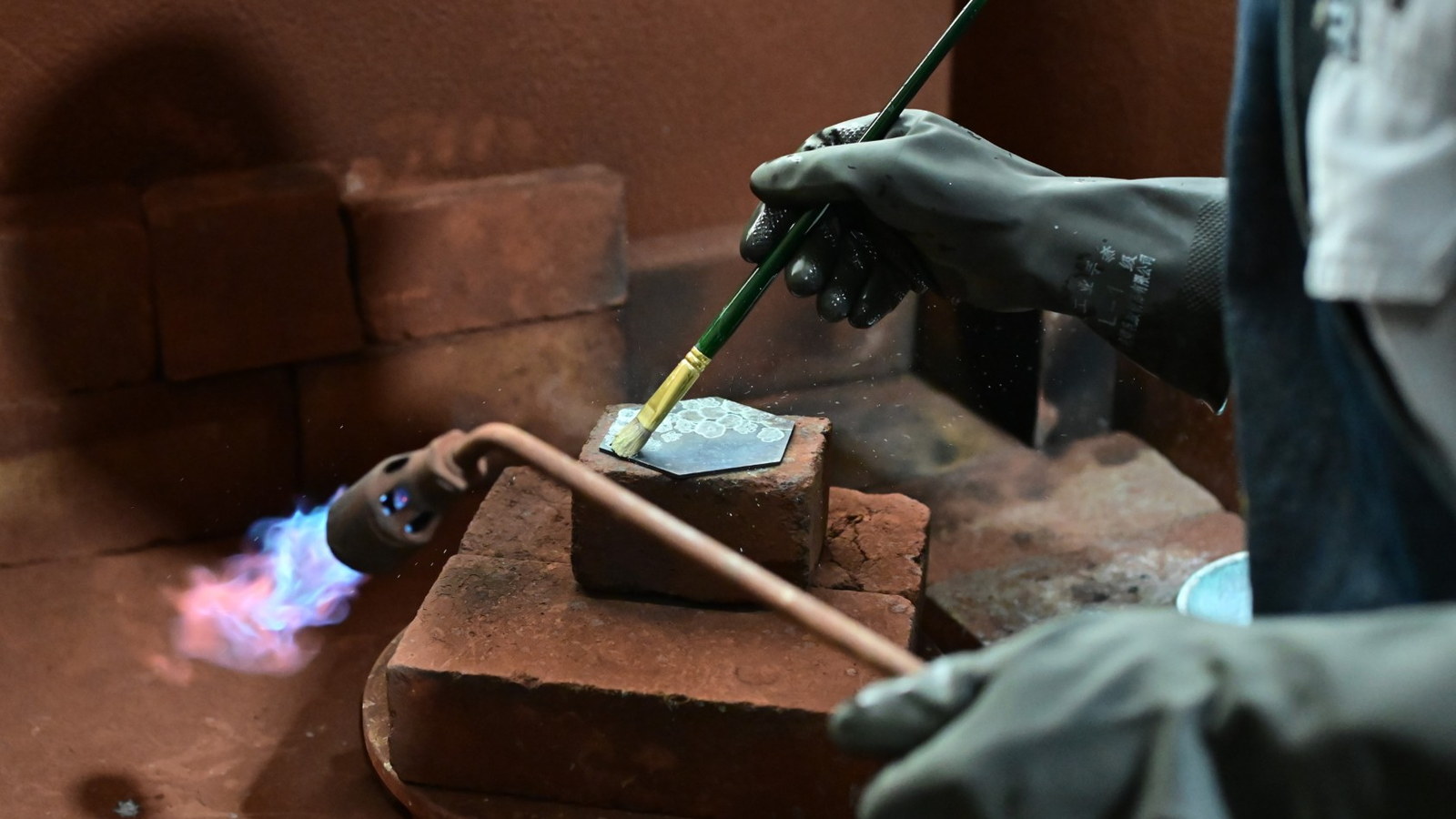
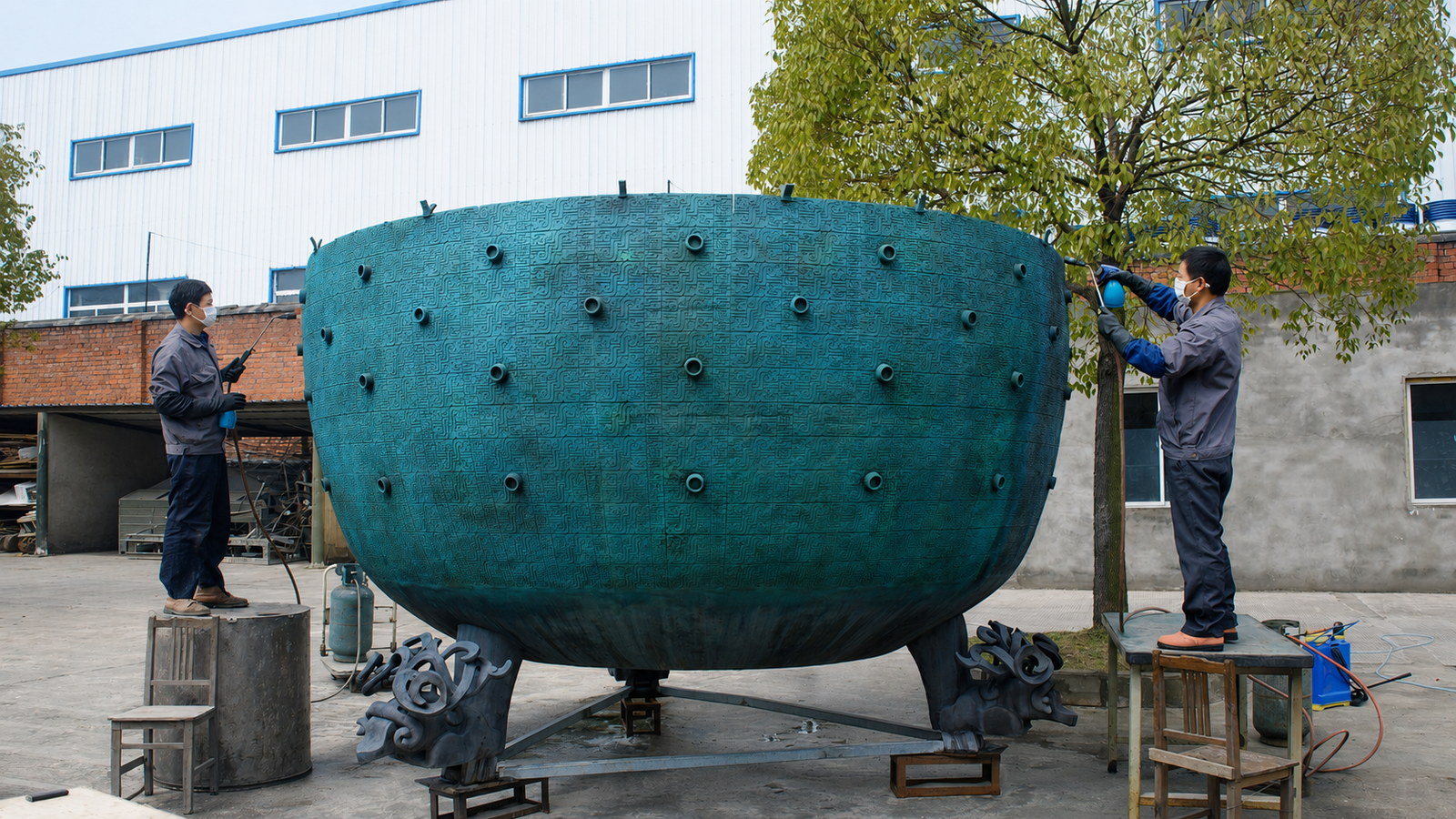
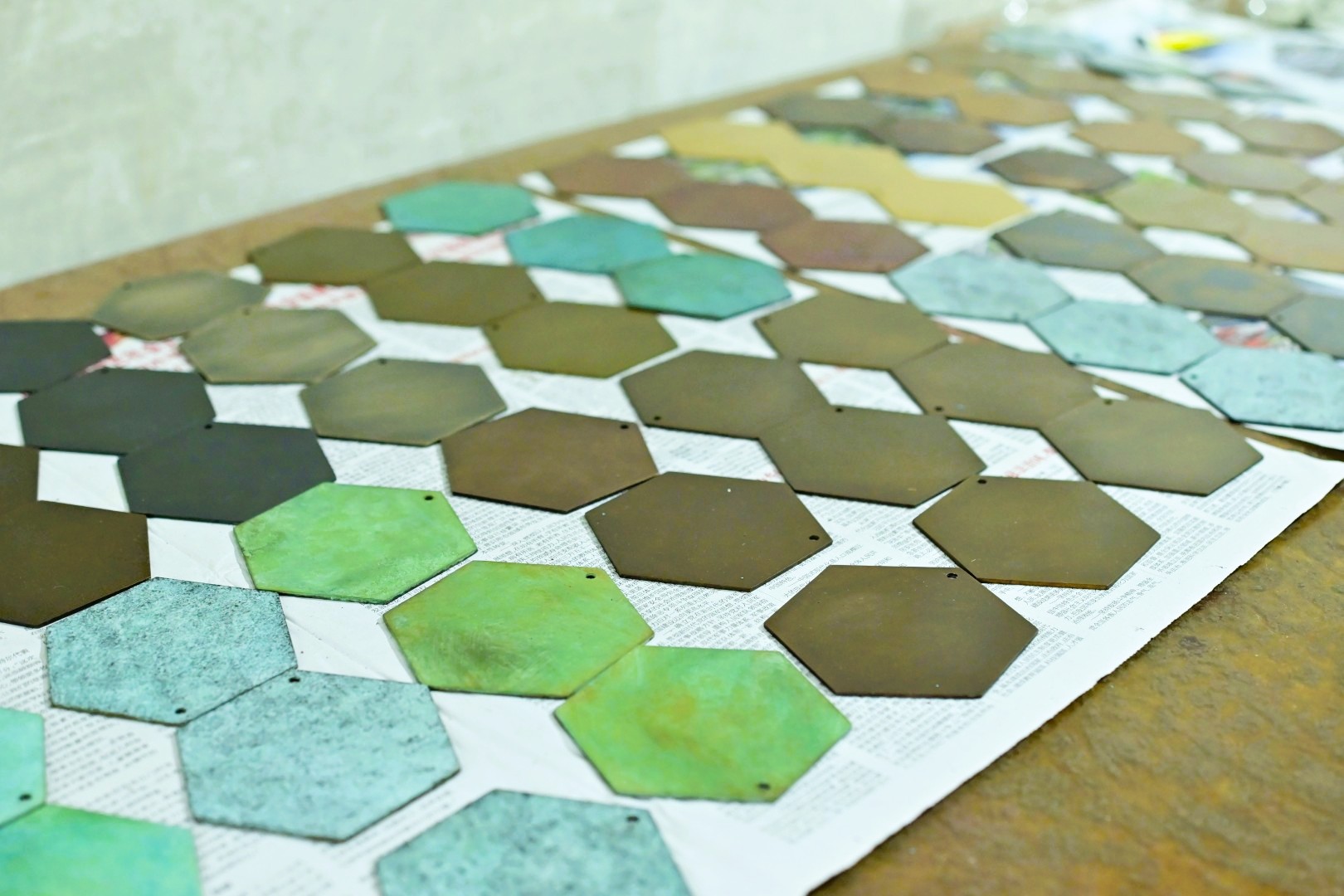
Surface finishing brings colour, texture and detail to metal artworks, from patinated surfaces to painted and gilded decoration.
From small samples to large sculptural surfaces, hot patination uses heat and carefully applied treatments to develop colour and surface character. A range of sample finishes illustrates the tones and textures available.
Painted details, gilded surfaces and decorative finishes add colour and definition to sculptural forms. Careful hand finishing brings attention to facial features, ornament and the transitions between different surfaces.
10 / 11
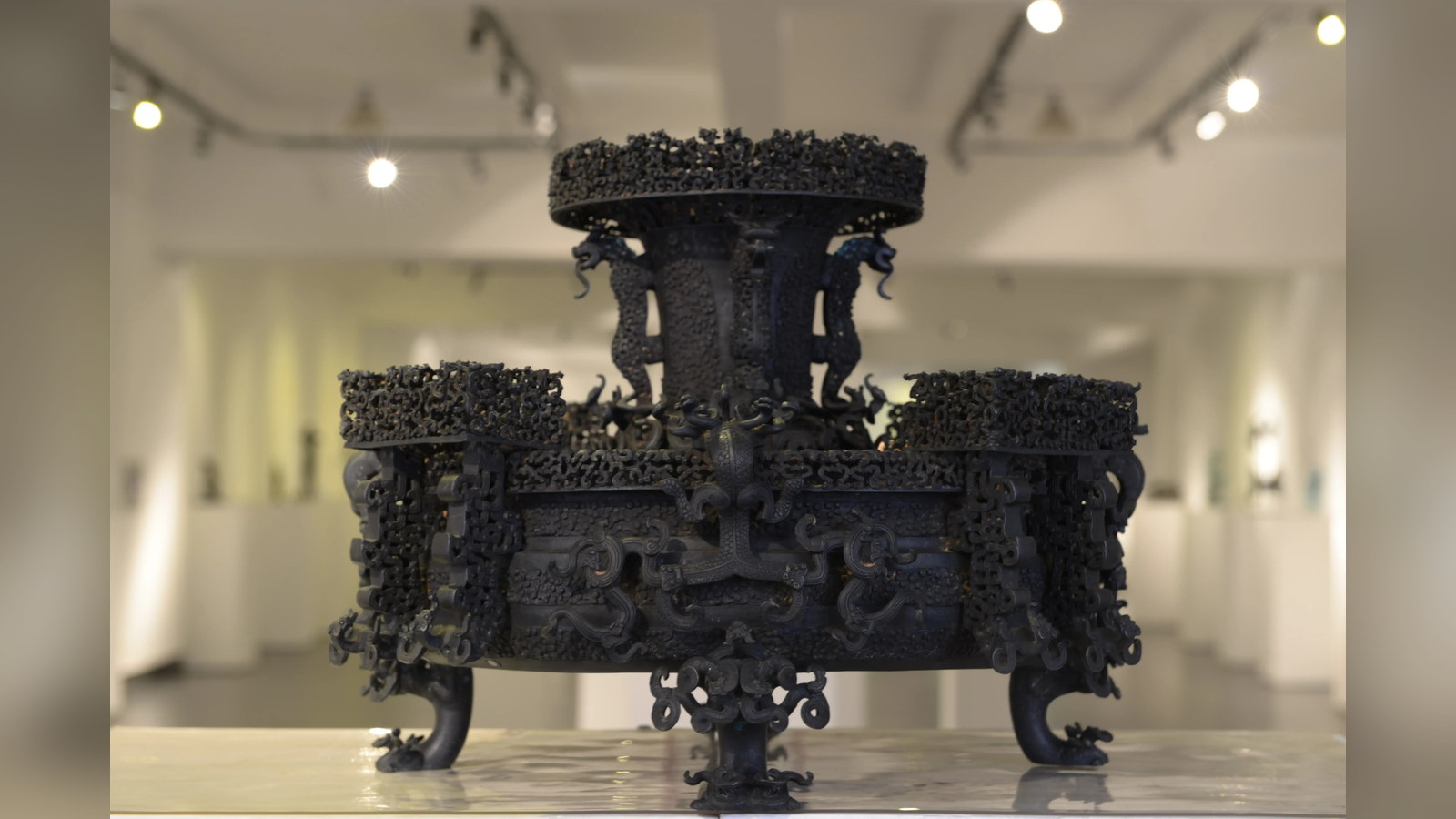
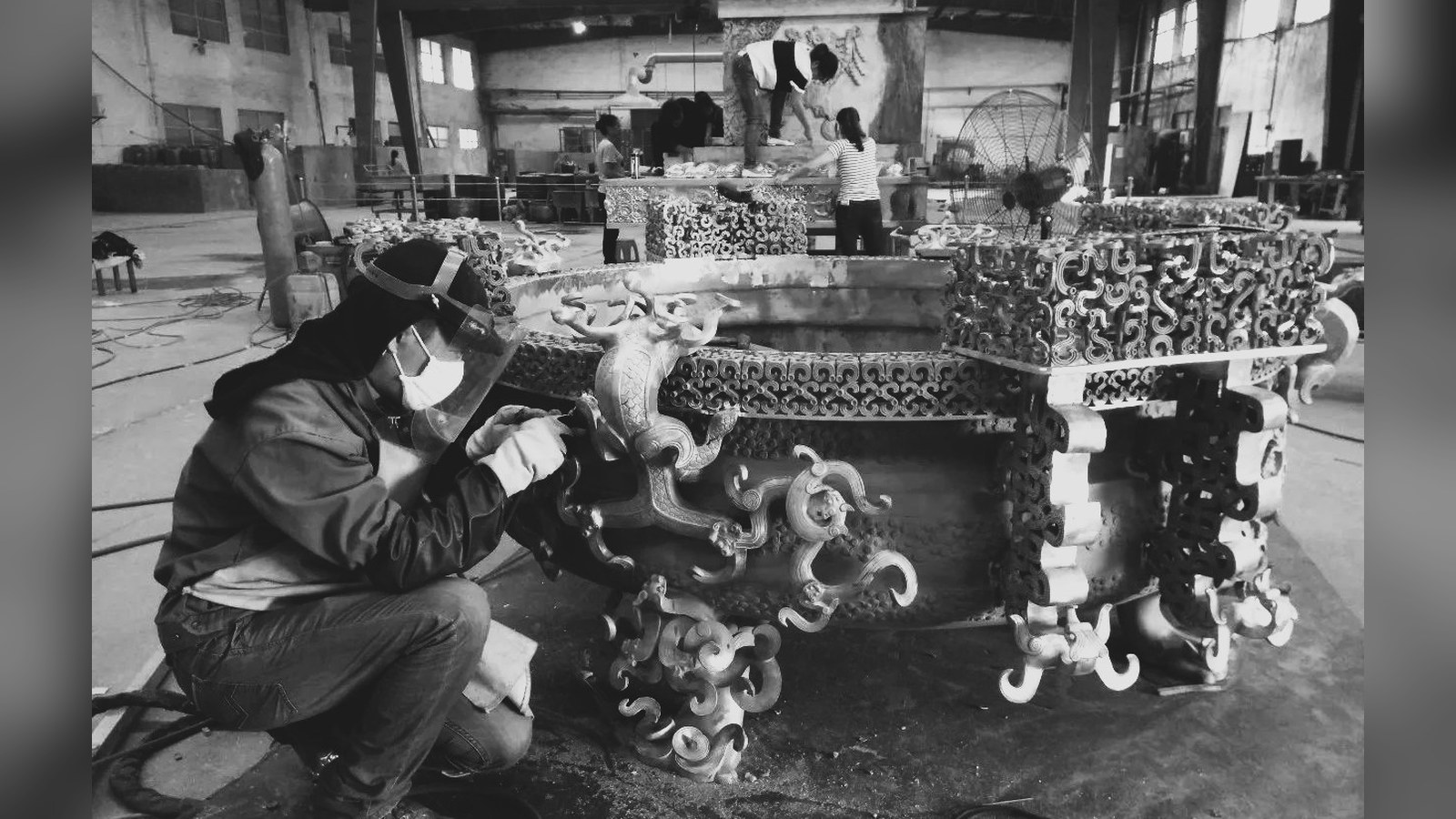
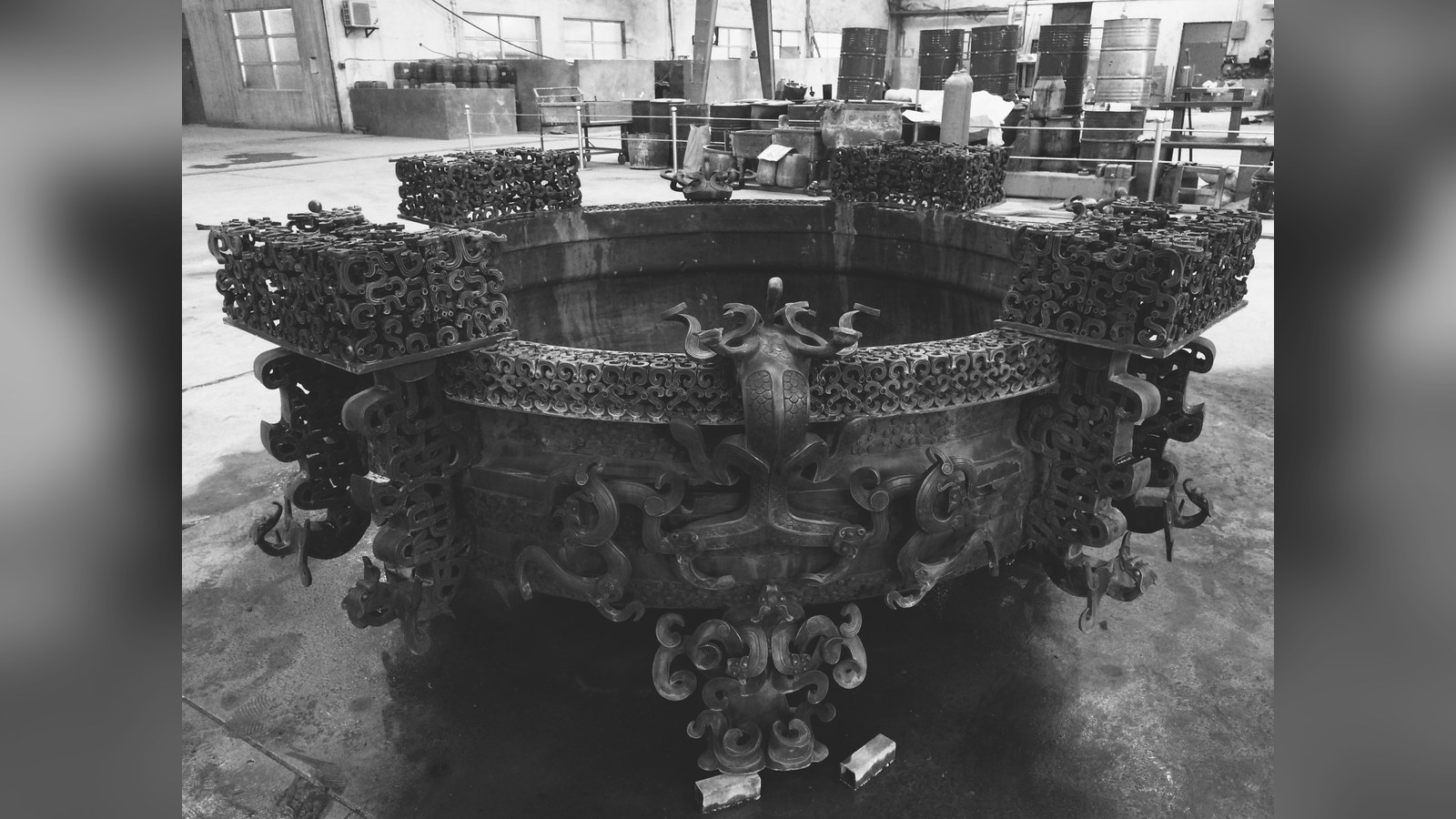
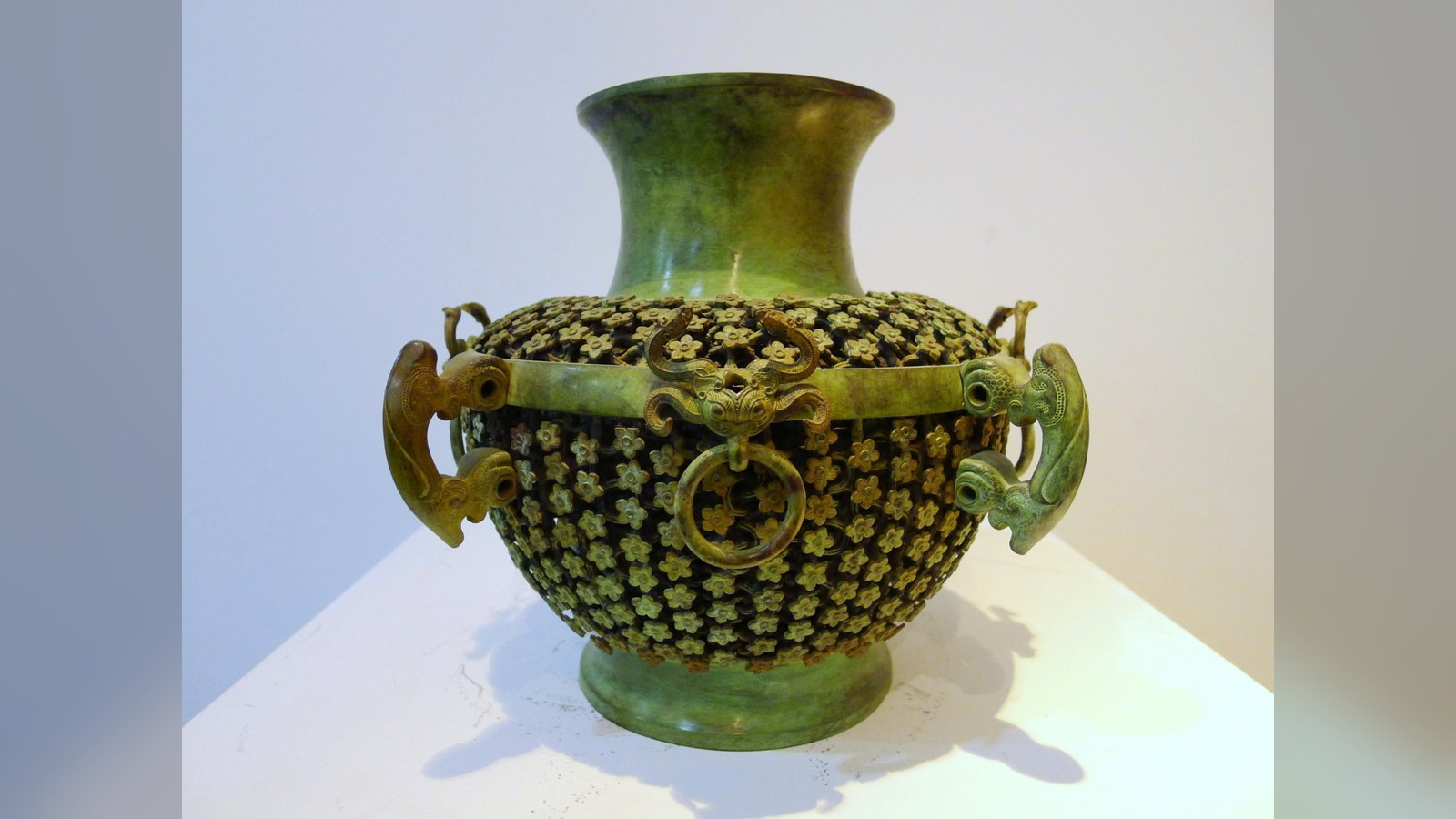
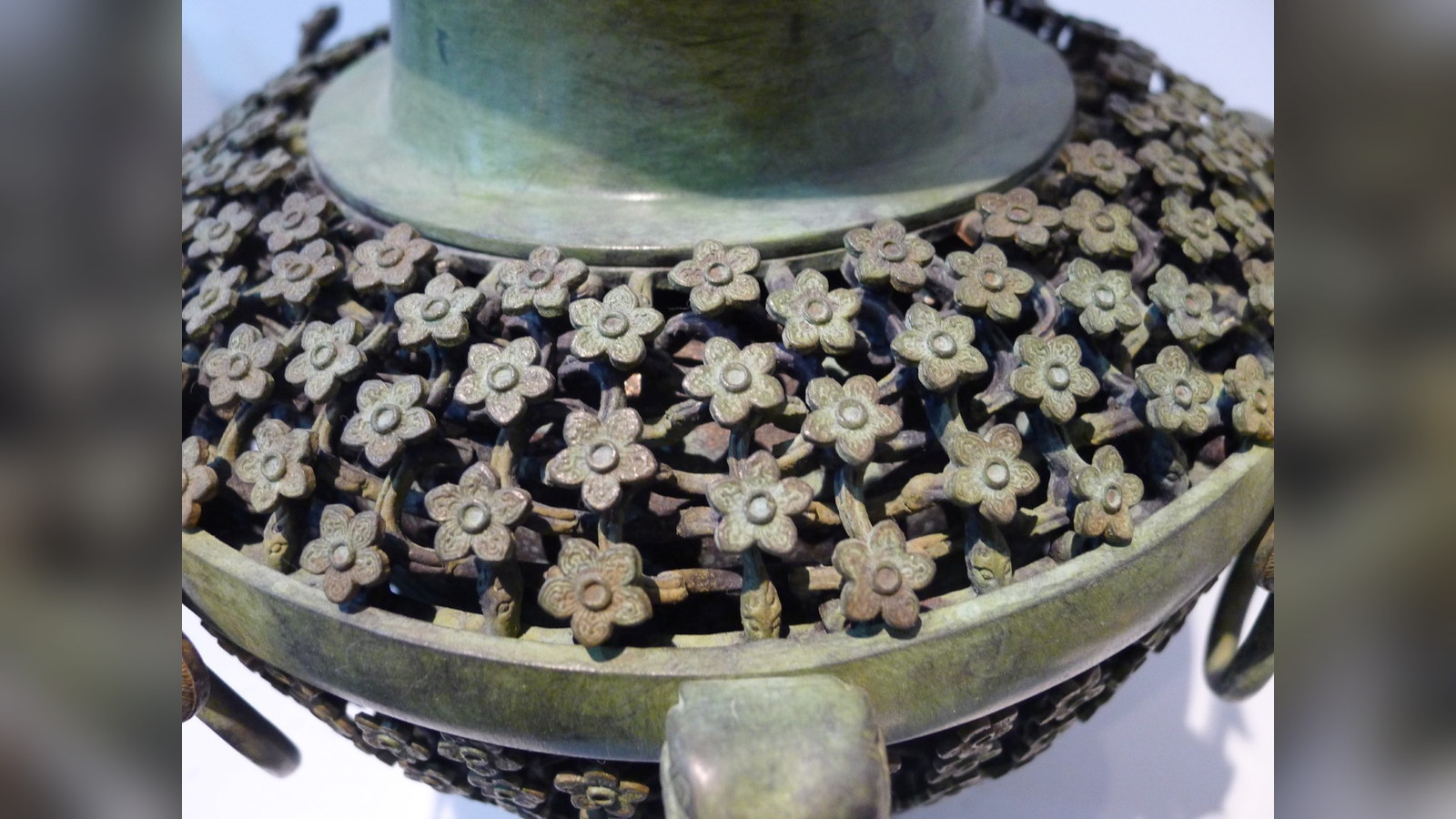
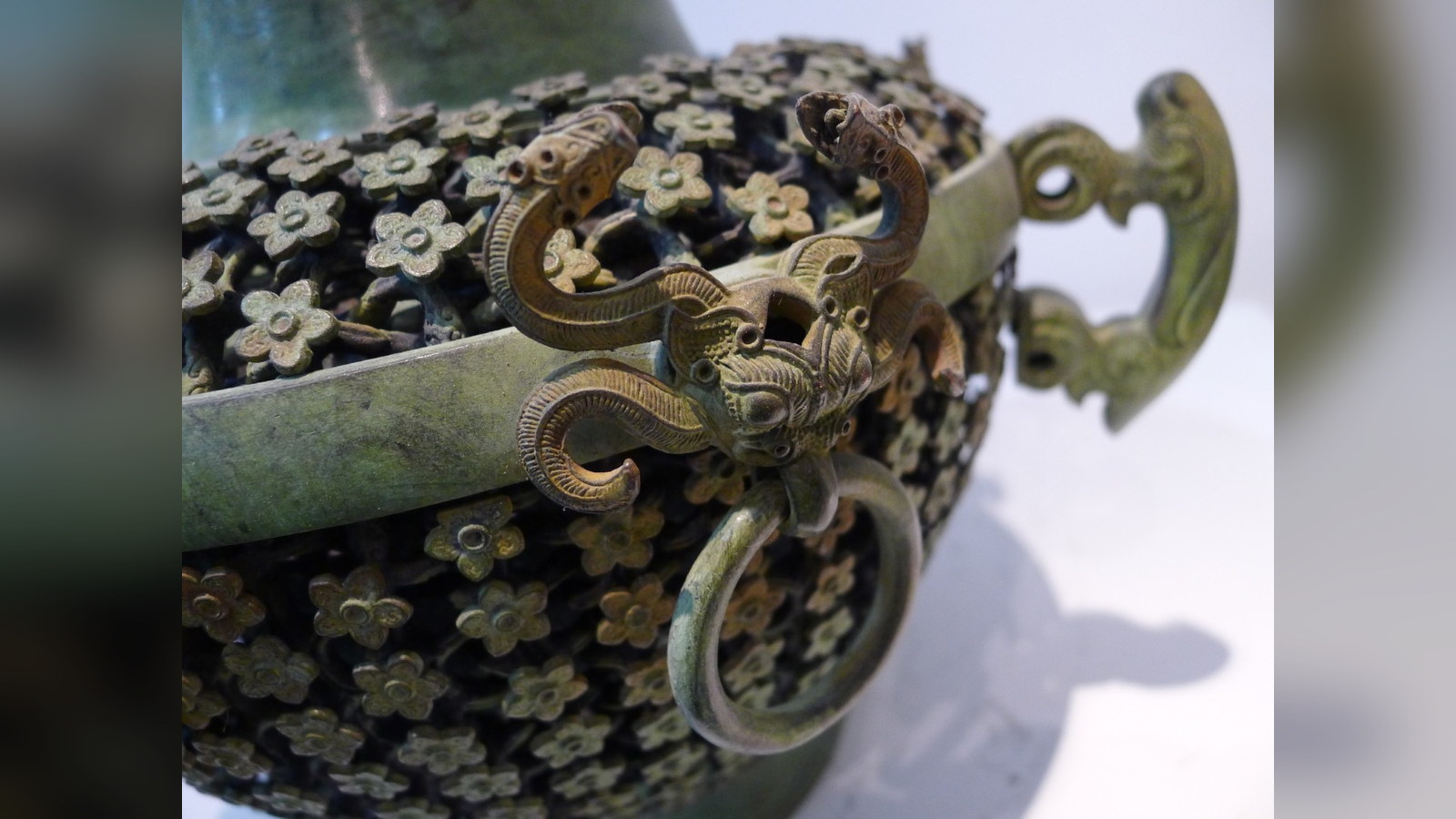
Our work with historic bronzes brings replica making together with research into traditional casting techniques, preserving the knowledge of form, ornament and making through careful study and practical work.
We recreate bronze artefacts with close attention to their form, proportions and intricate ornament. Digital modelling and skilled metalworking support the reproduction of complex openwork, sculptural details and distinctive surface character.
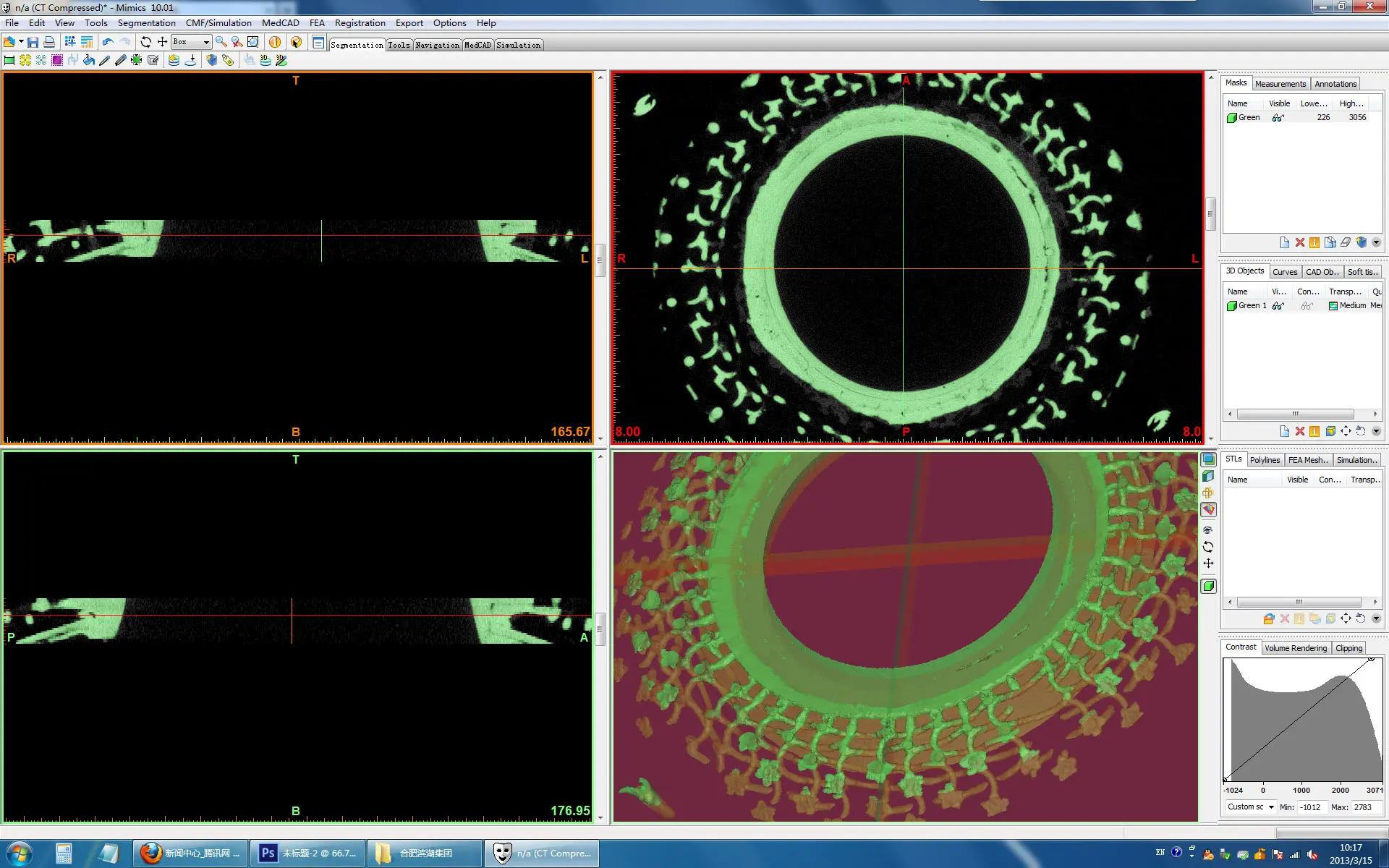
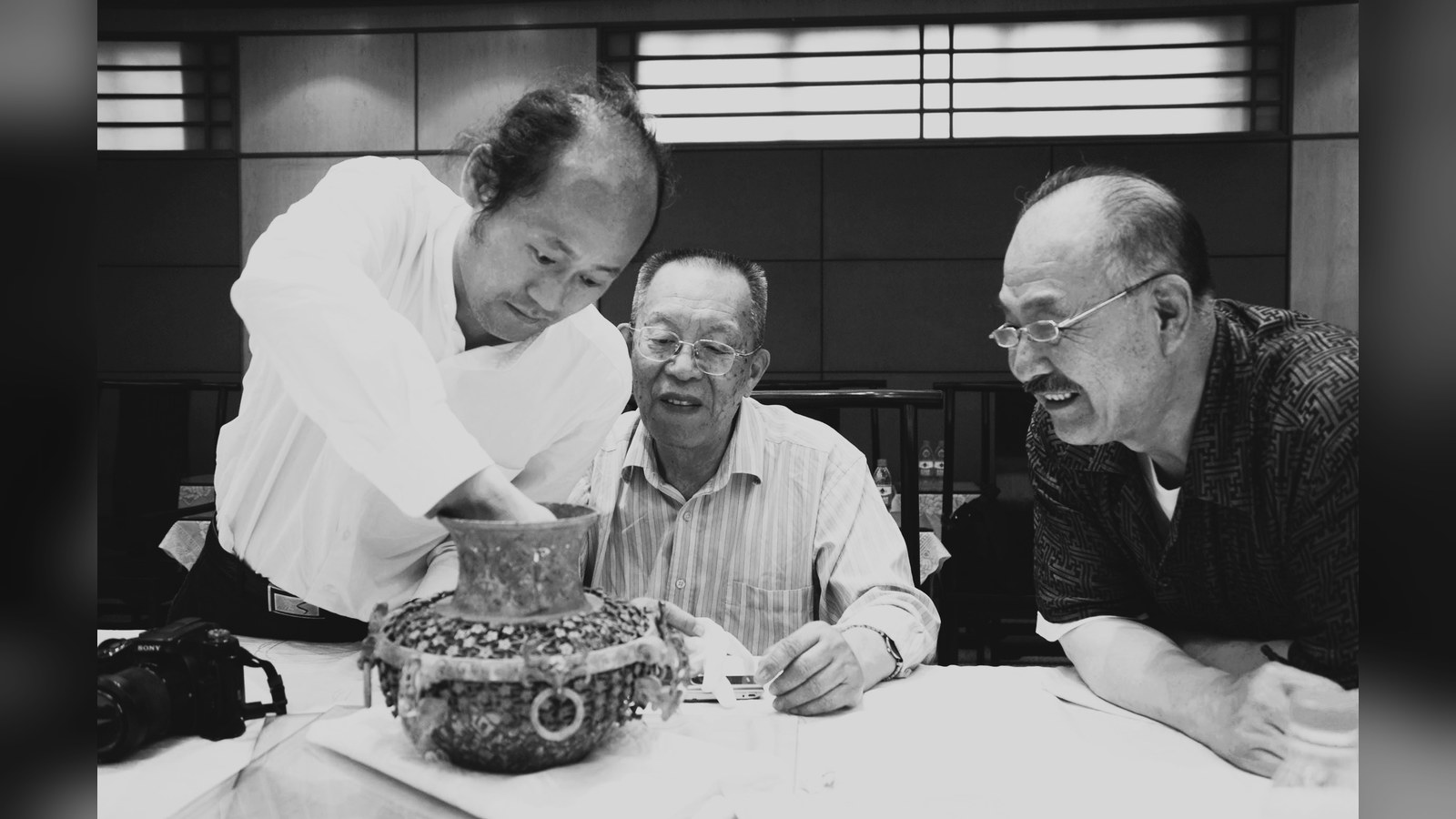
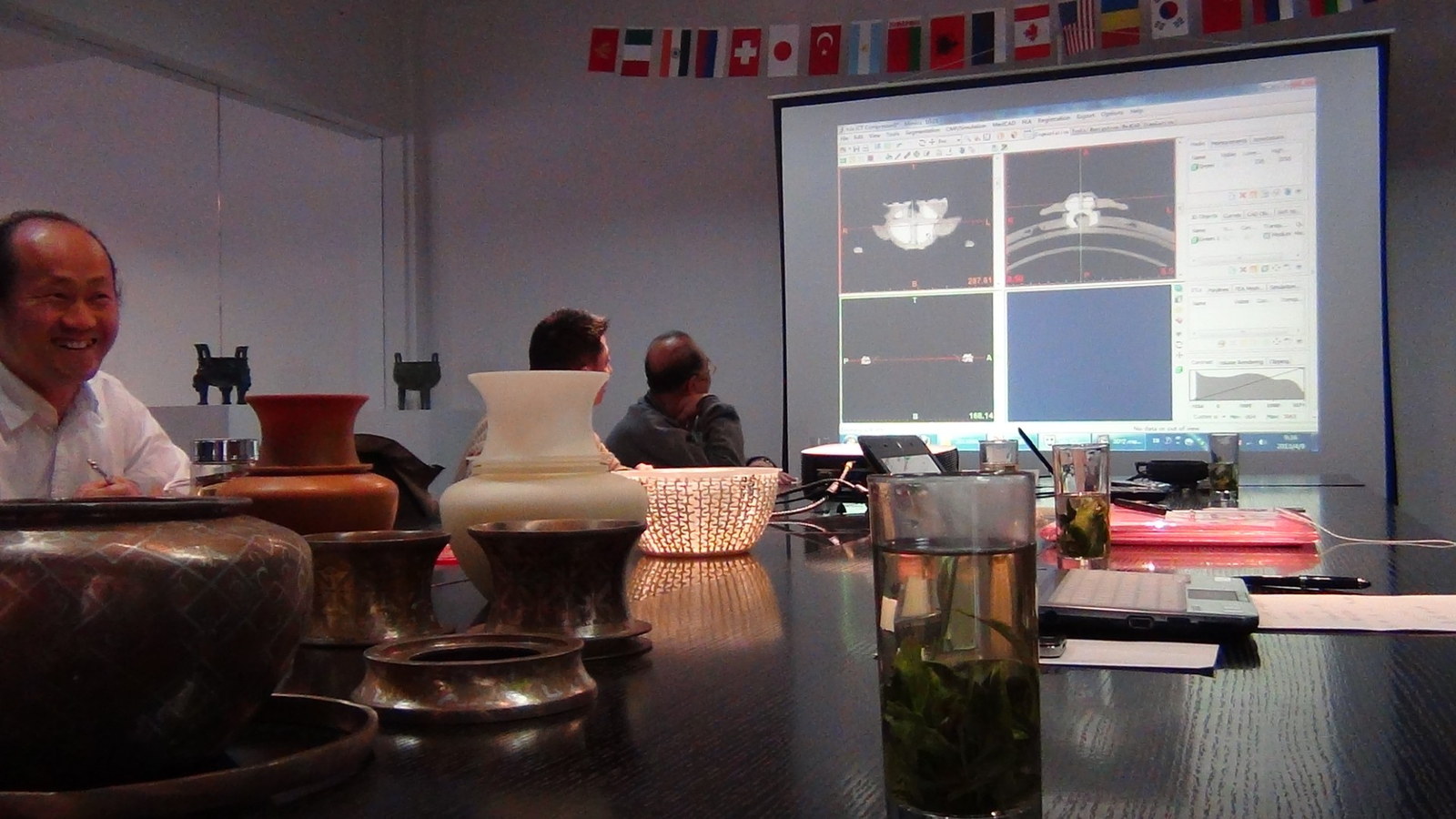
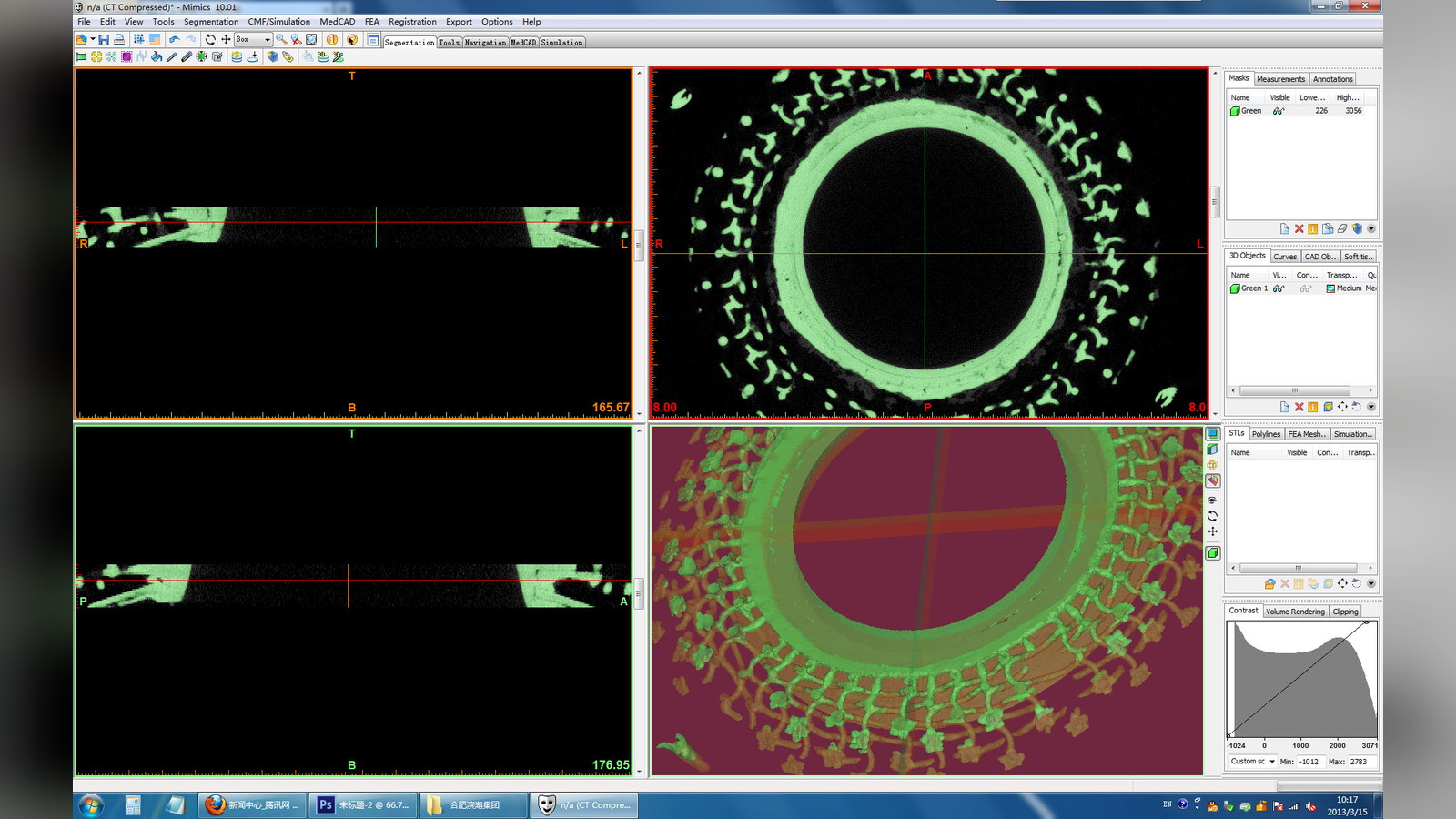
Object study, CT analysis, comparative modelling and practical trials help us explore how historic bronzes were made. Exchanges between researchers and craftspeople connect technical investigation with the transmission of traditional casting knowledge.
11 / 11
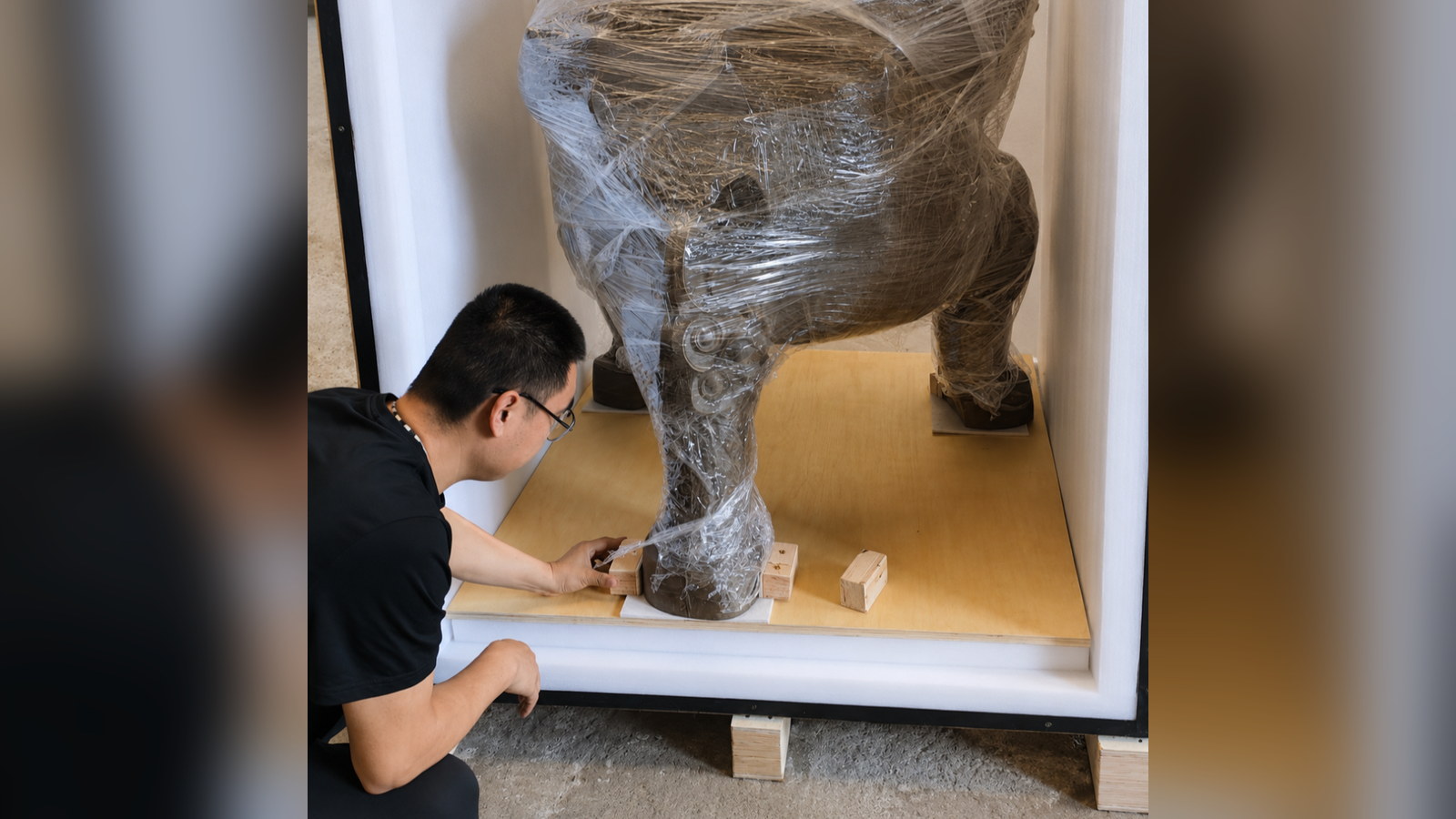
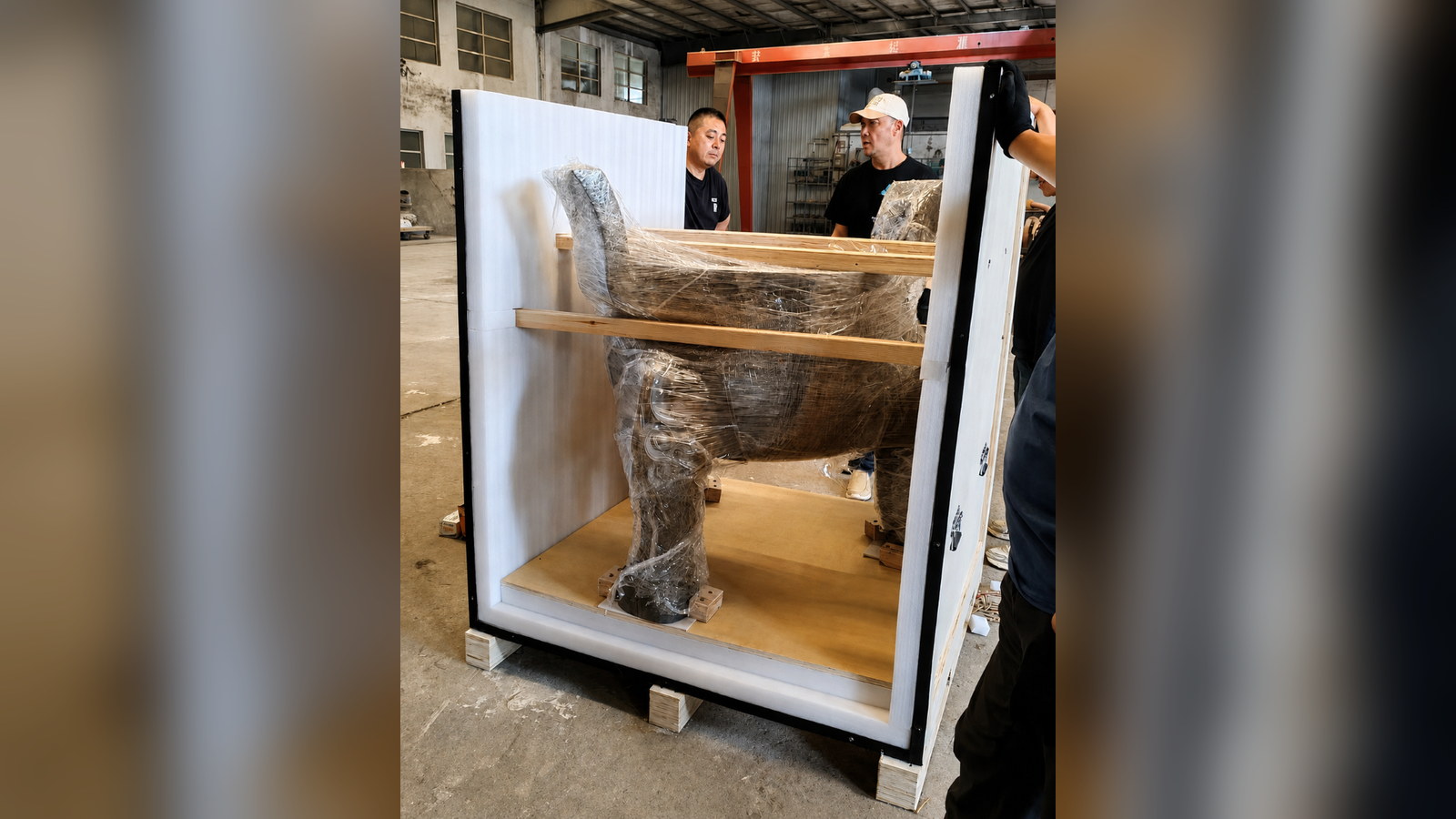
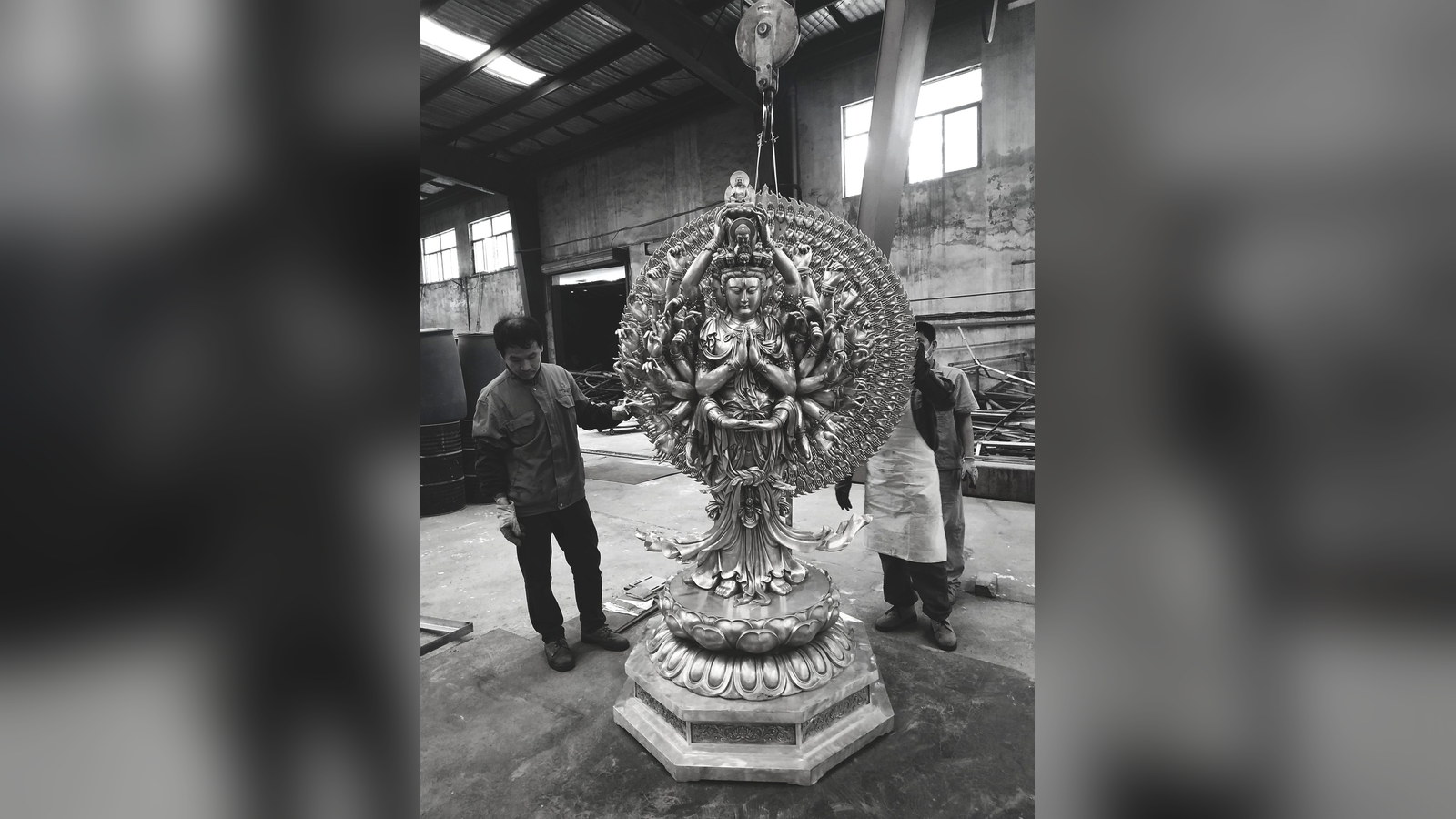
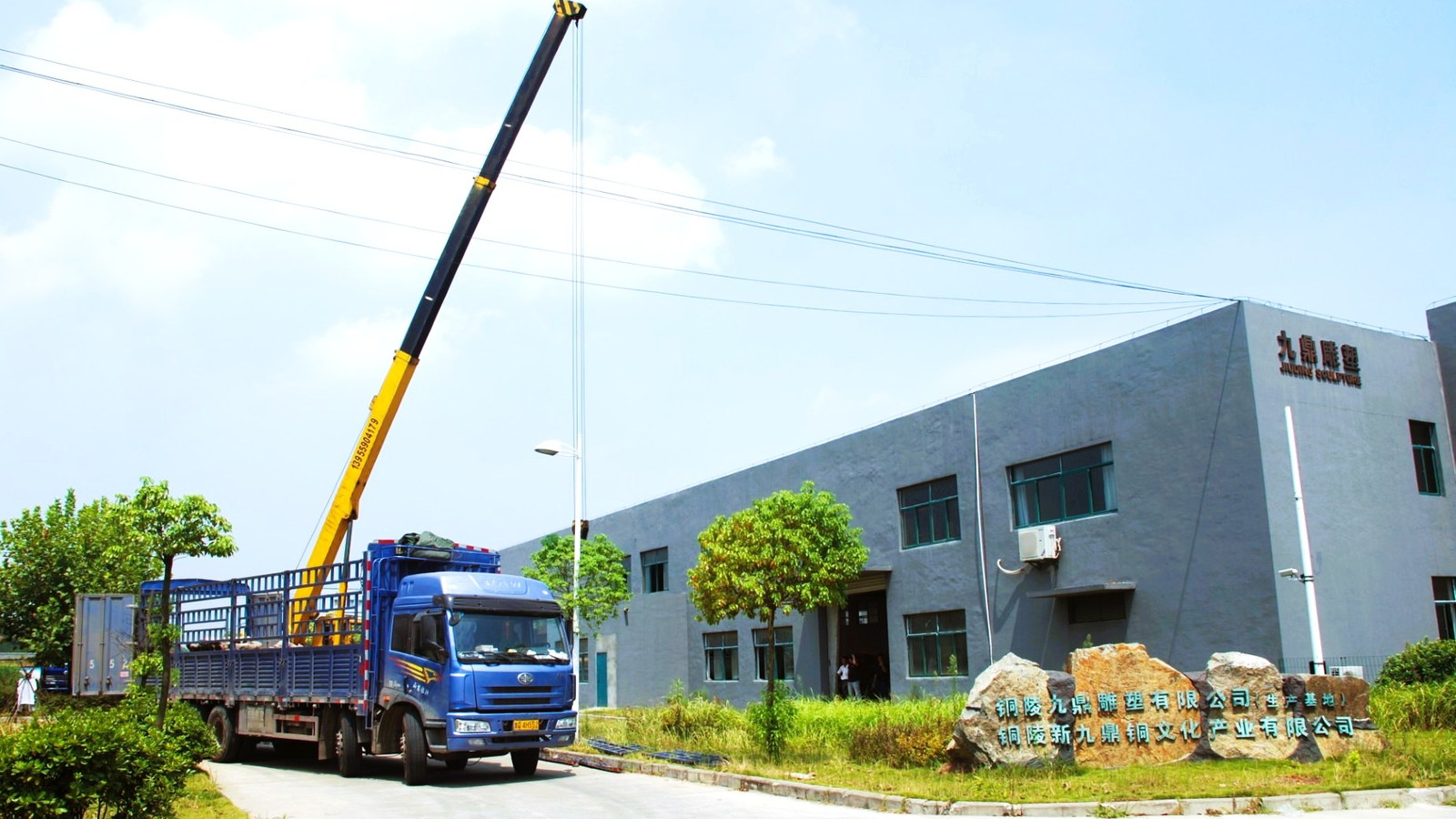
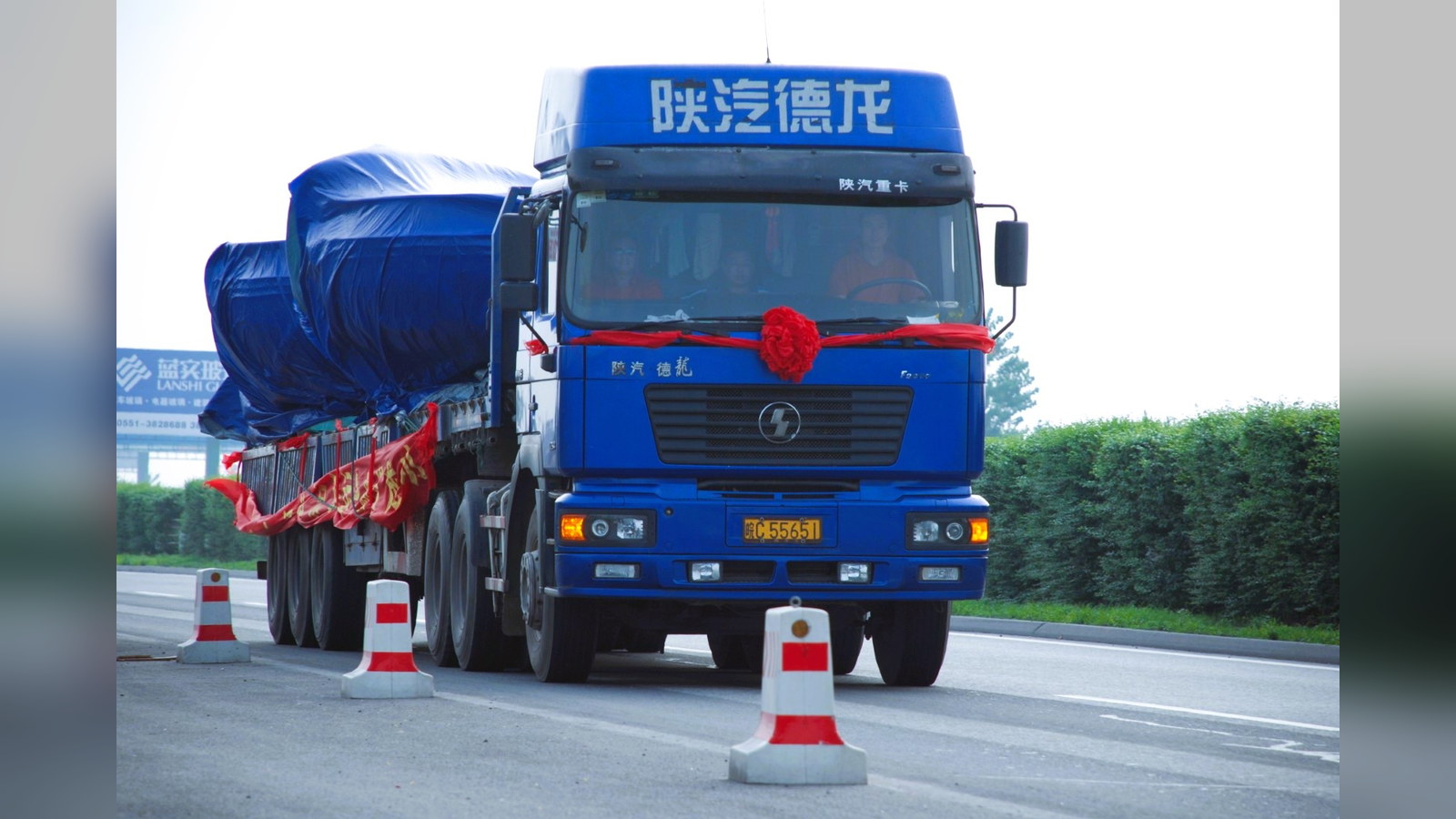
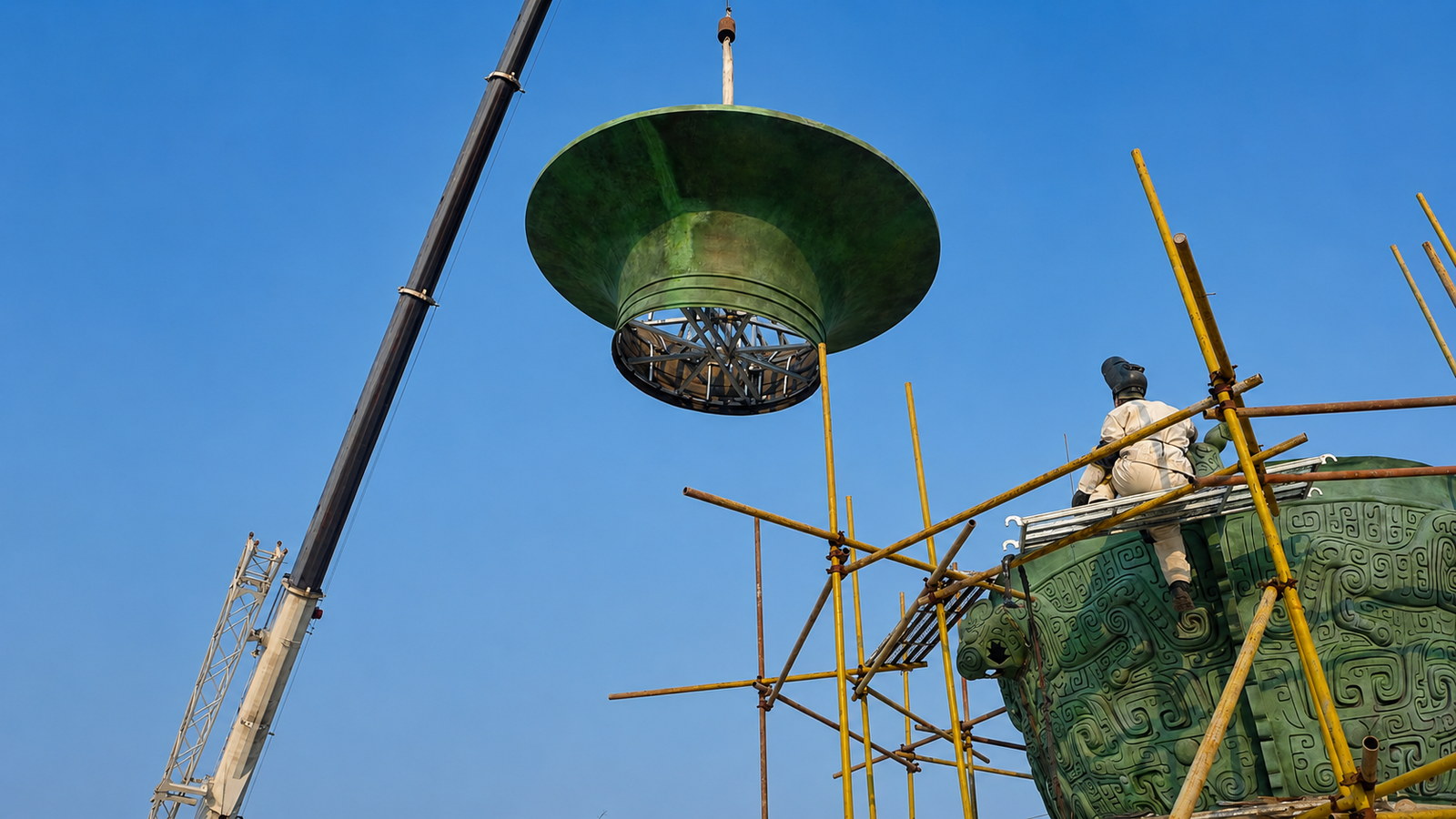
Packing, transport coordination and on-site installation carry artworks from the workshop to their final setting. We bring together protective packing, handling and site work to support this final stage of each project.
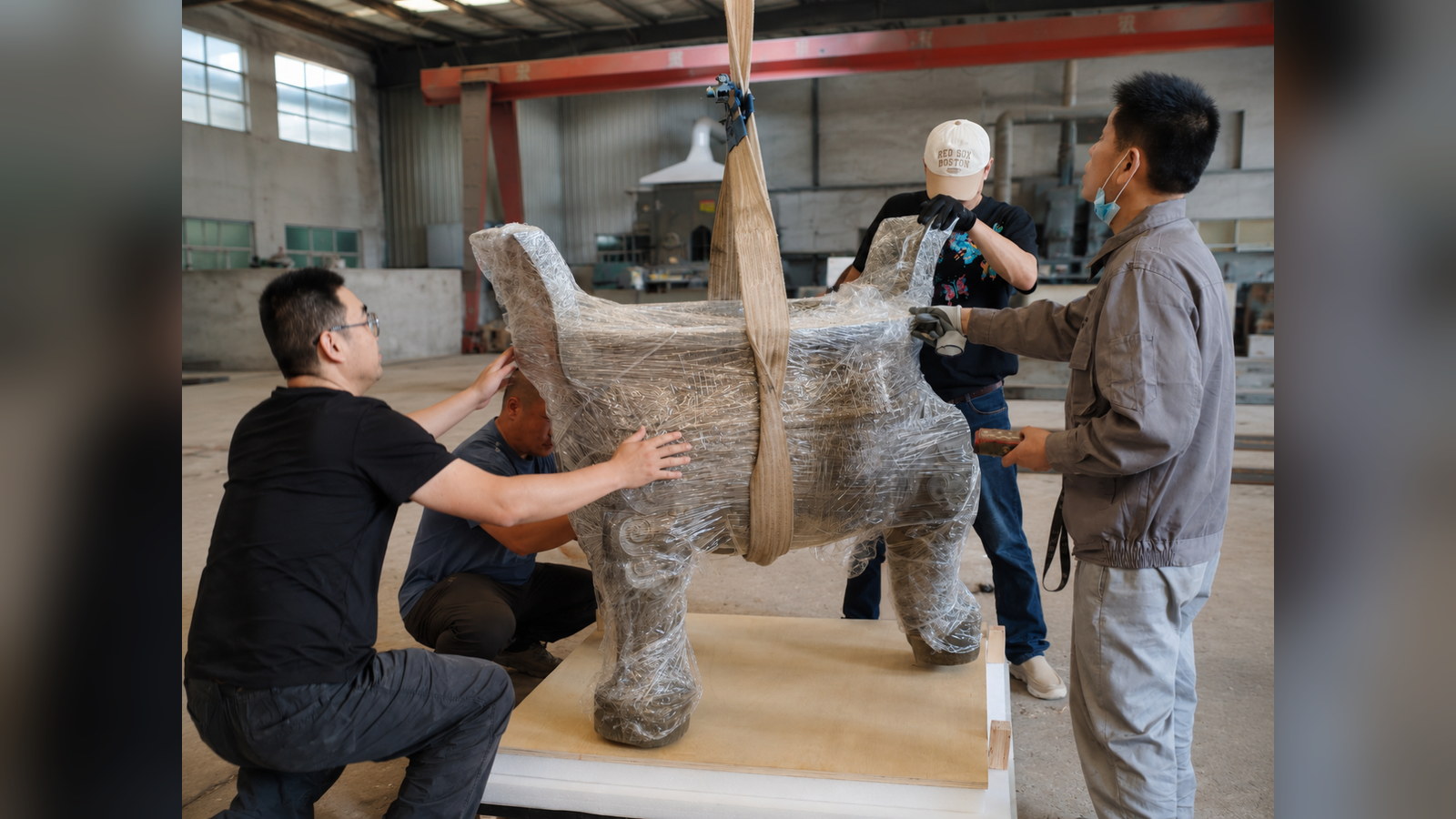
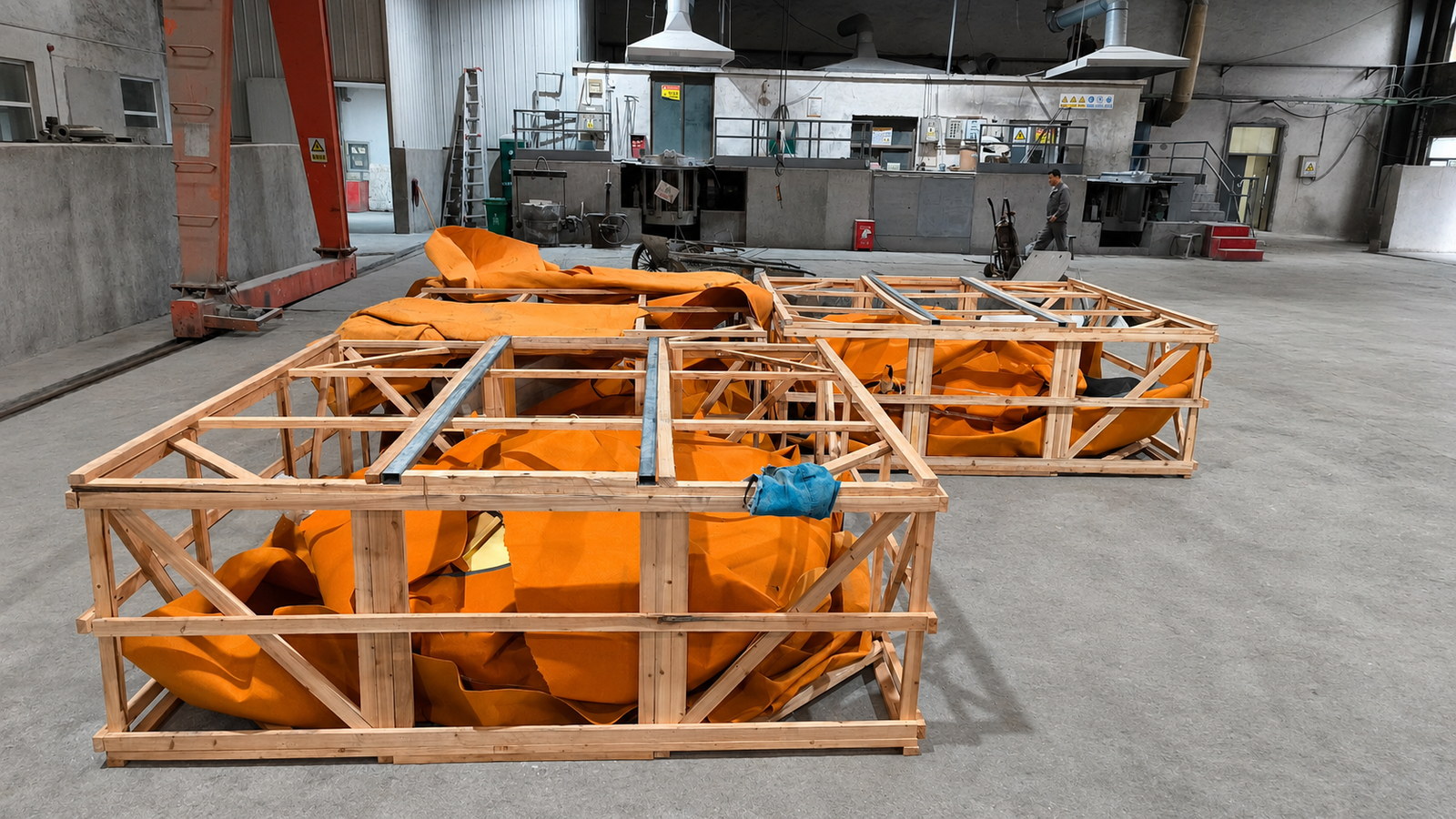
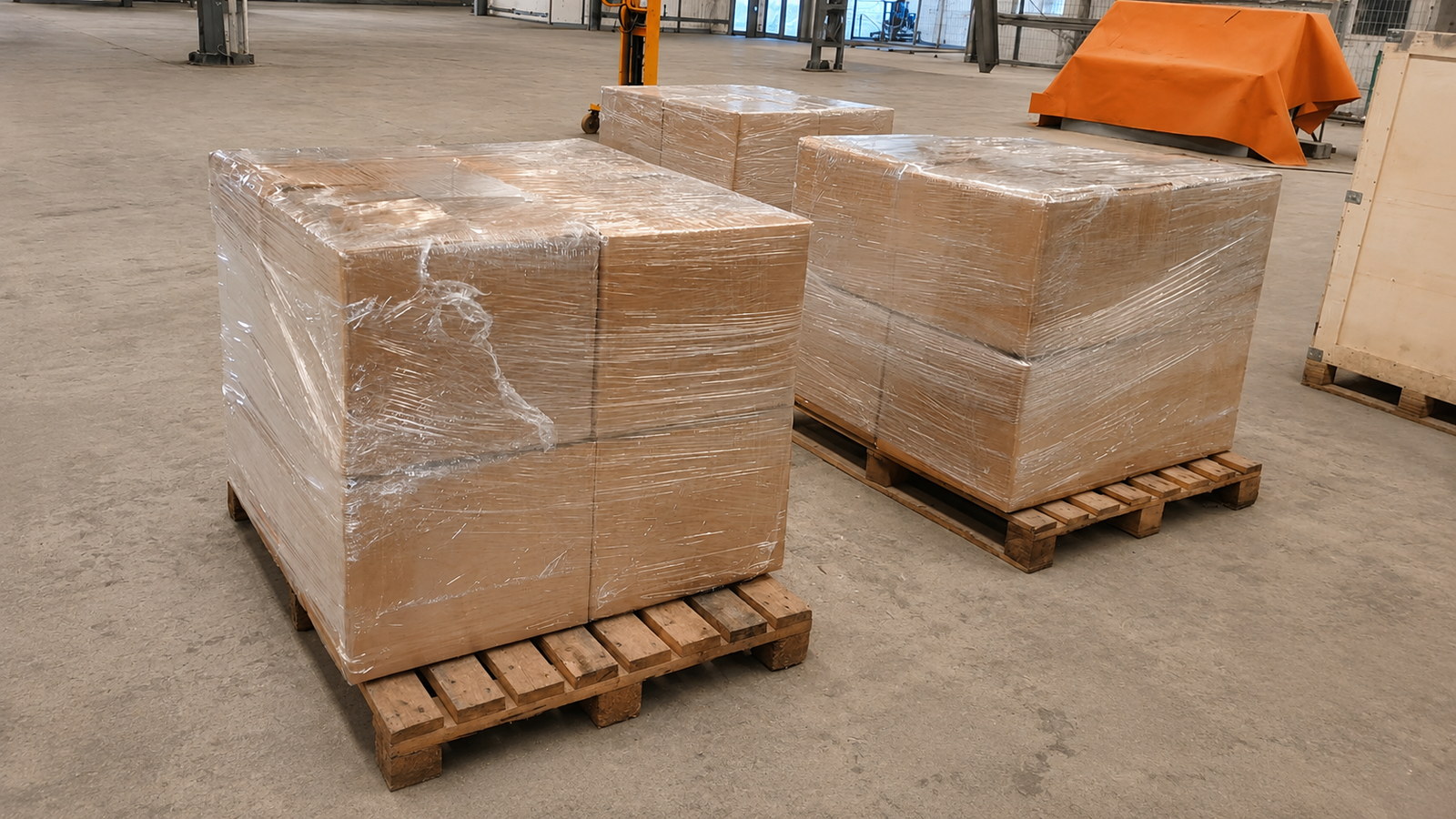
Protective wrapping, fitted supports and timber crates are selected around the shape and vulnerable details of each artwork. From individual sculptures to larger components, packing brings surface protection and physical support together for handling and transport.
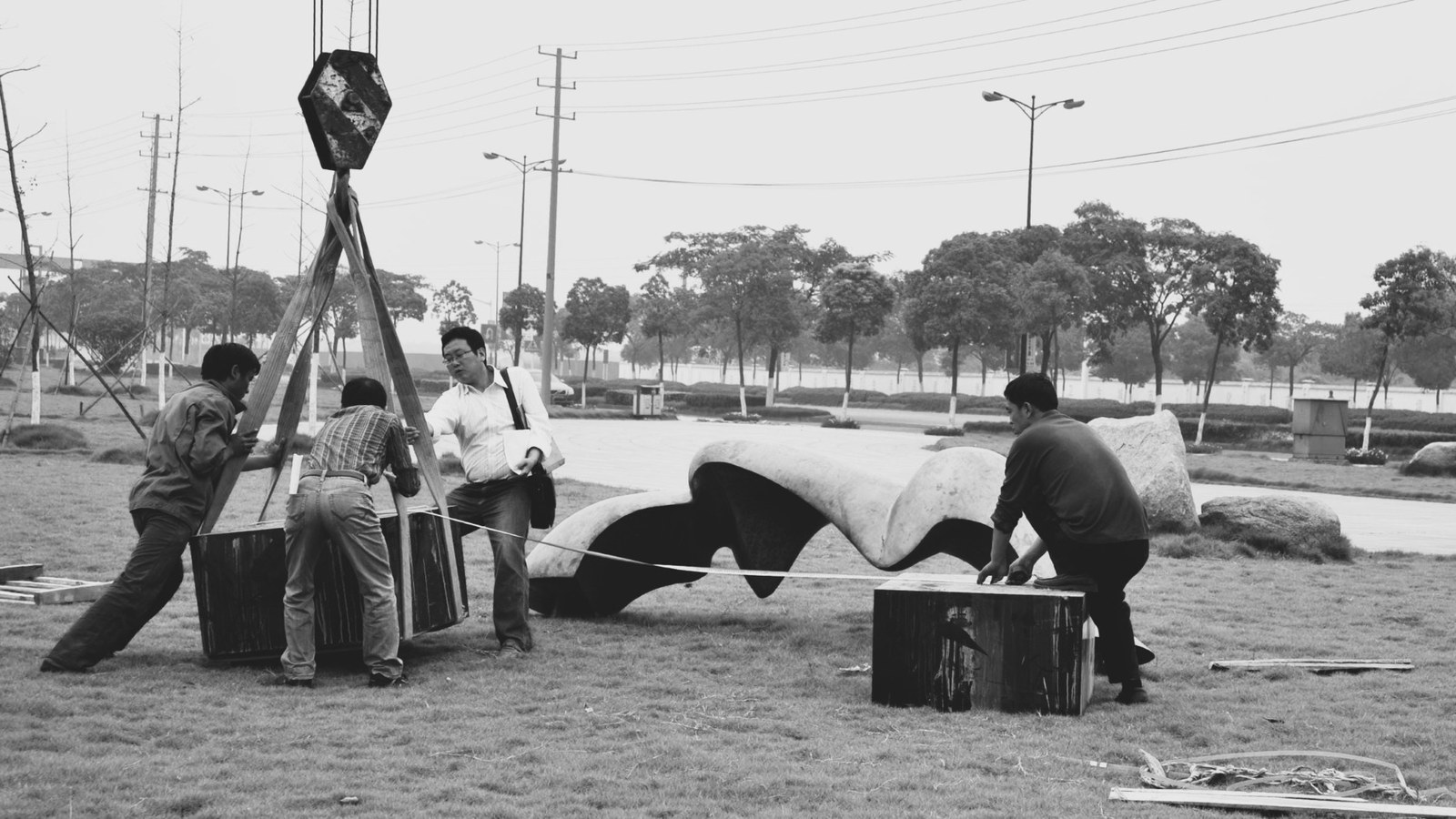
Handling and transport planning connect the workshop with the project site. We coordinate the movement of artworks and components, with attention to their size, lifting needs and protection during transit.
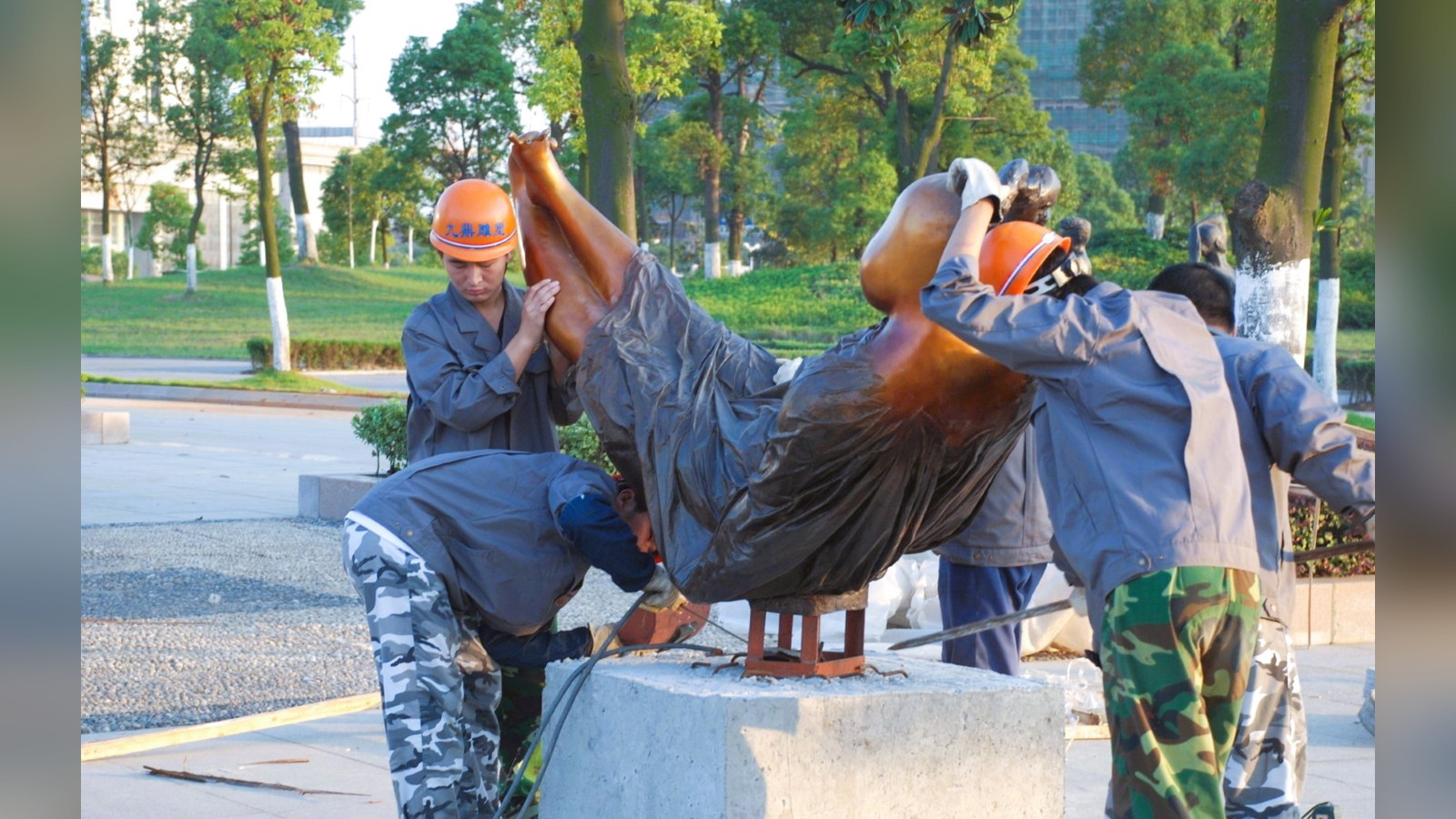
On-site installation brings together lifting, positioning and assembly. Our teams coordinate work around connections, bases and the setting of each artwork, with attention to the final details of its placement.
Share your project type, scale, location, and timeline. We will review the possible production path and next steps.