
☰
For small- to medium-scale artworks, complex components, editions, and repeated works, we use a ceramic shell lost-wax process to reproduce form and surface detail while coordinating mold making, wax production, shell building, firing, and pouring as one continuous workflow.
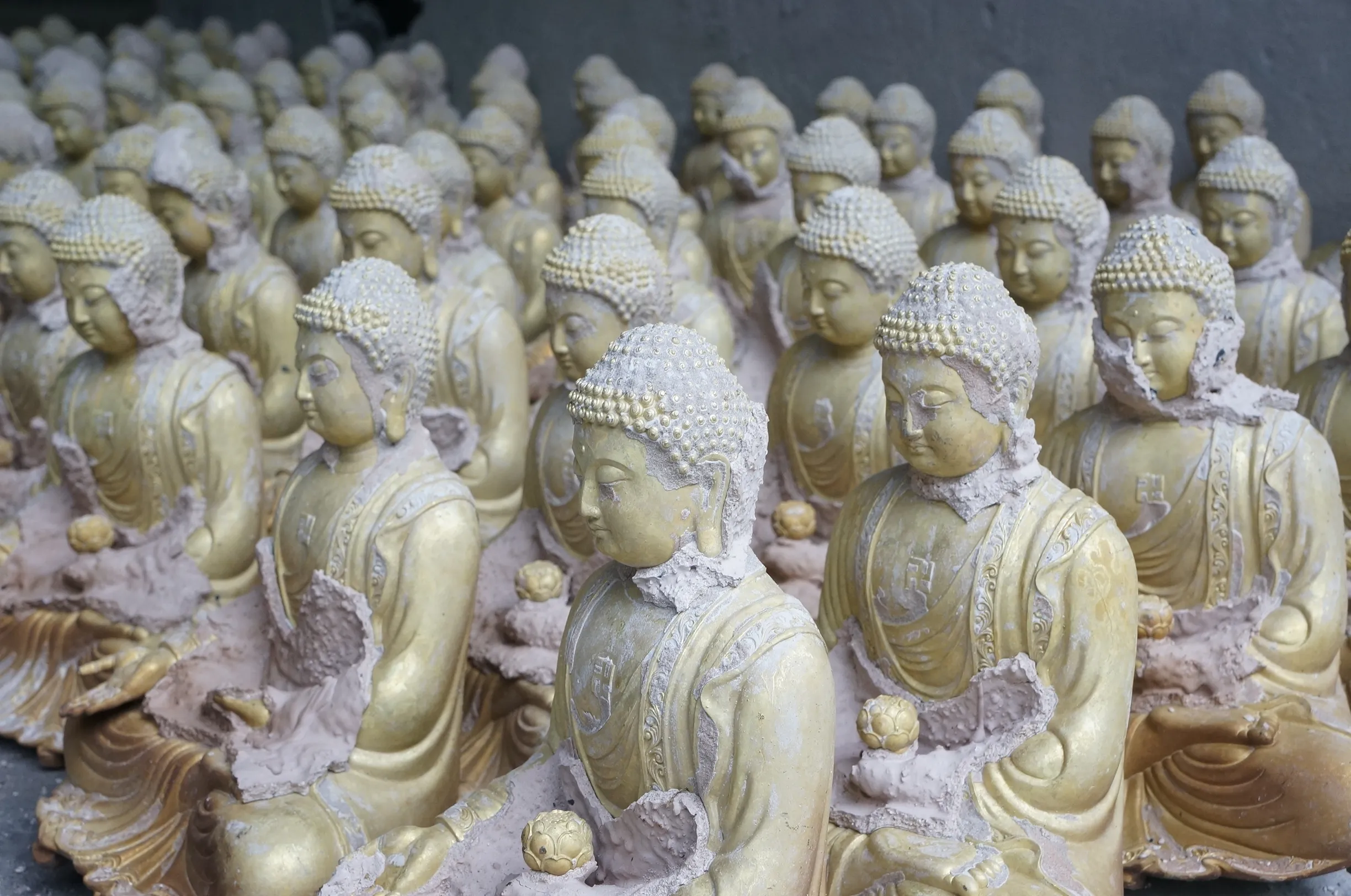
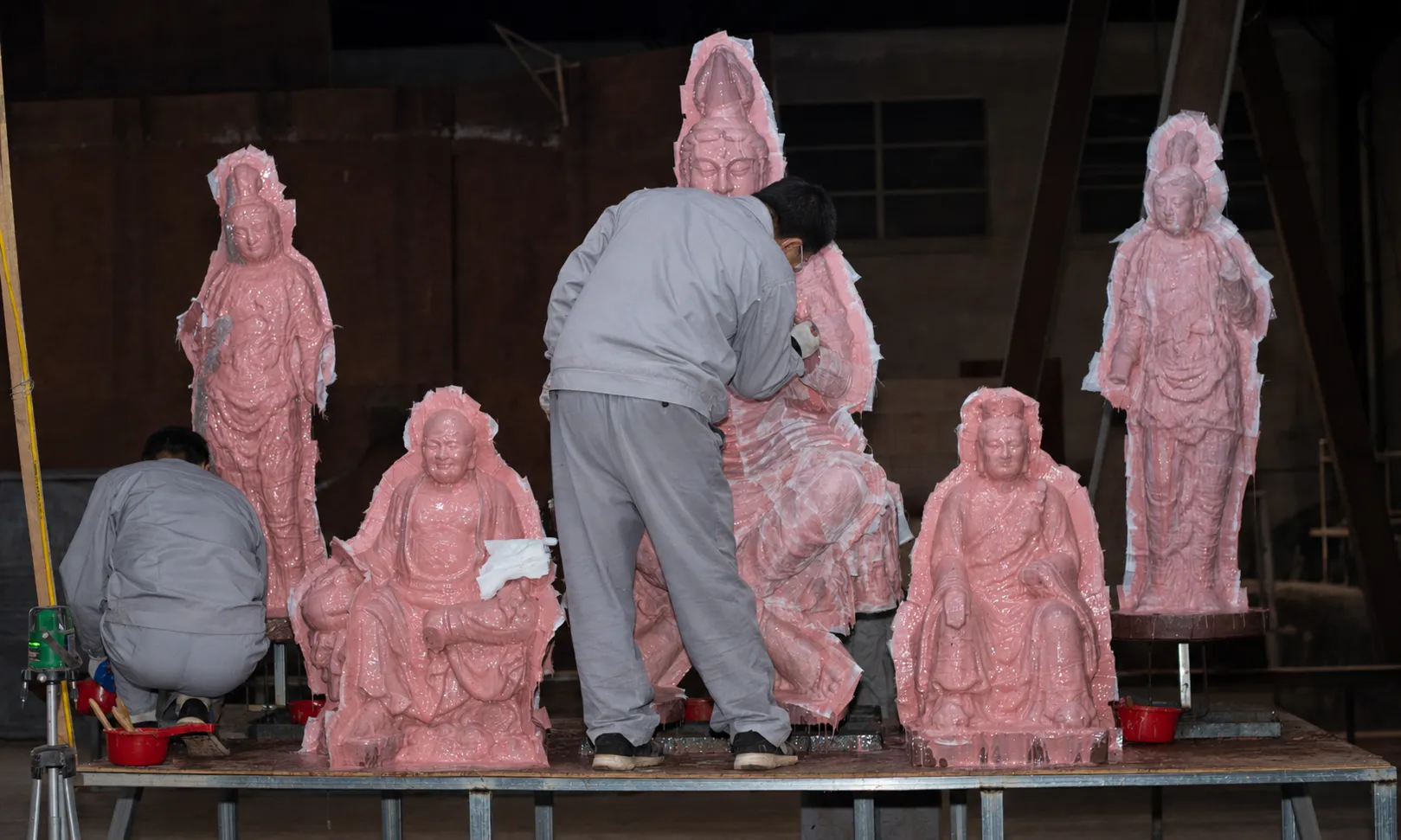
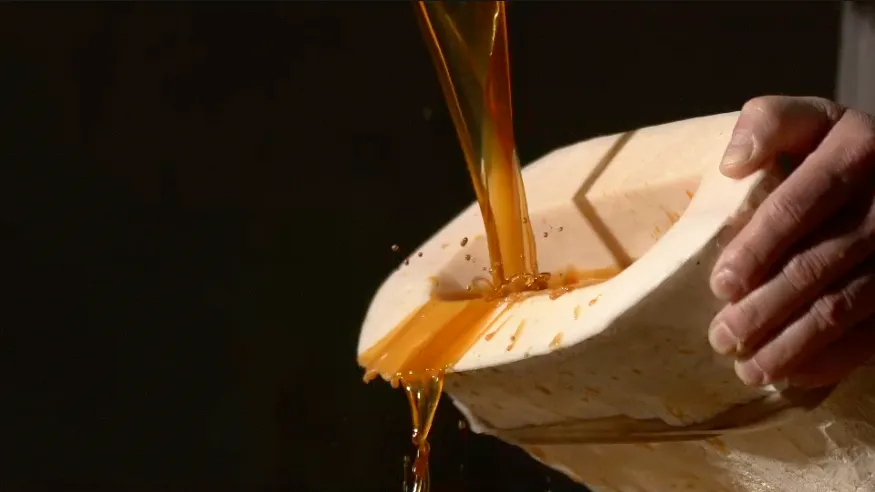
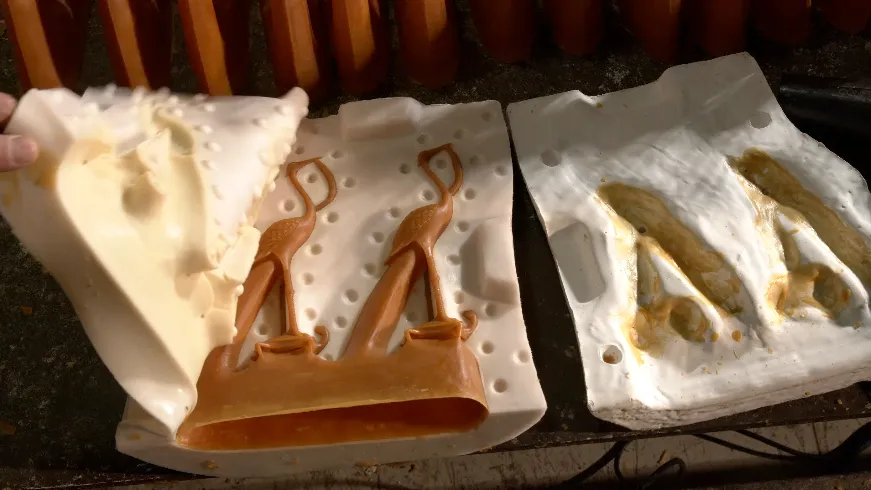
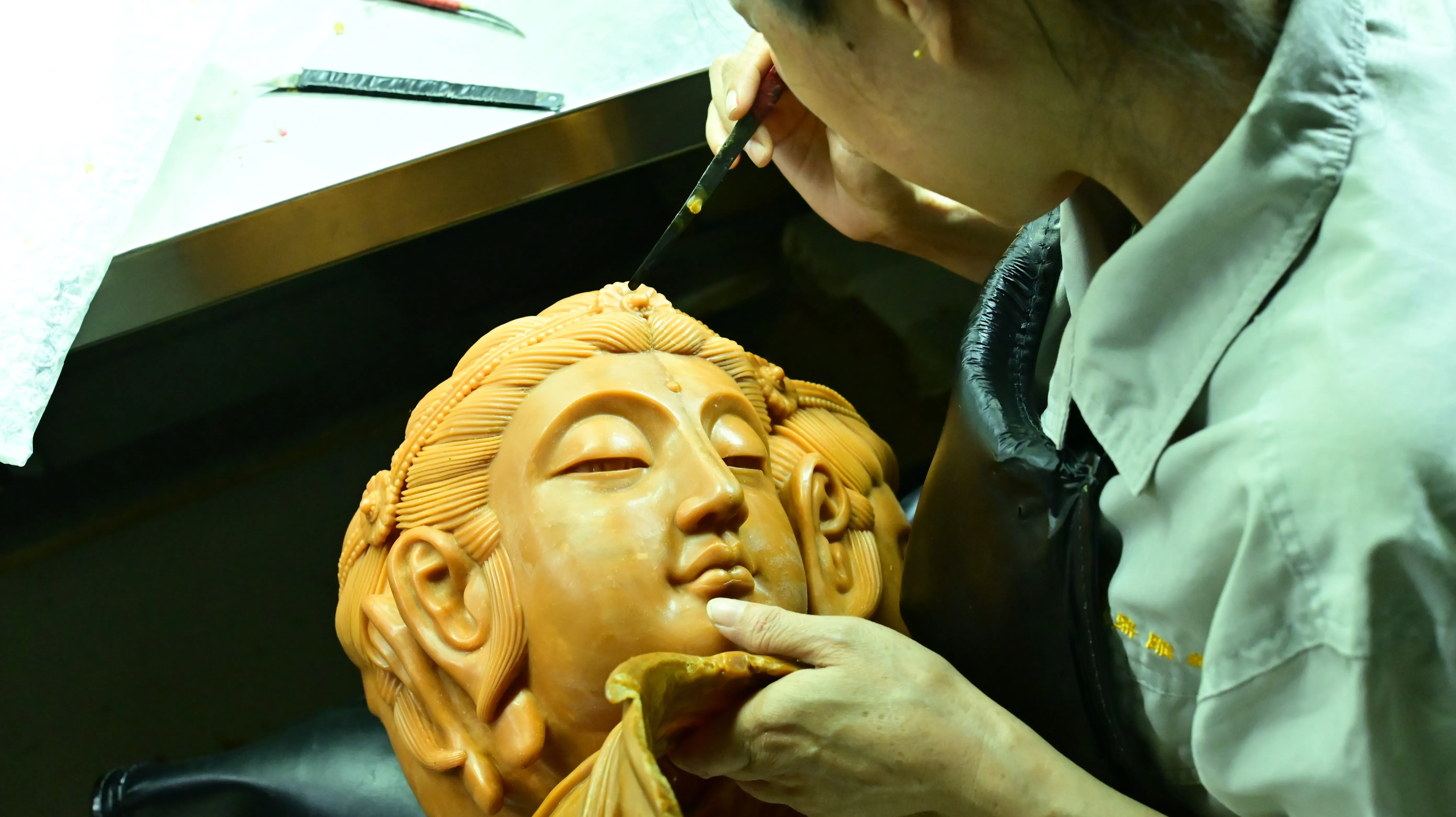
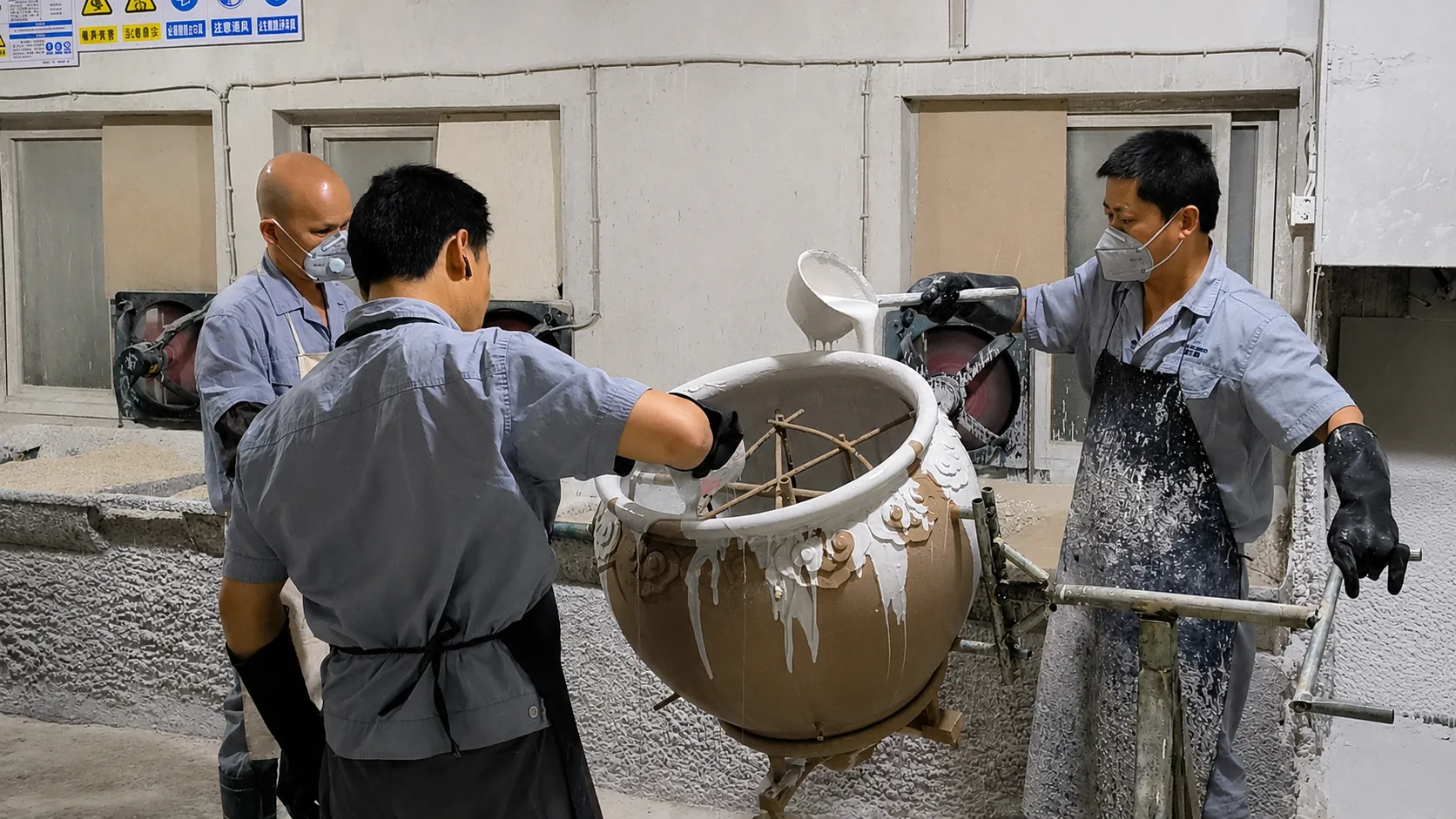
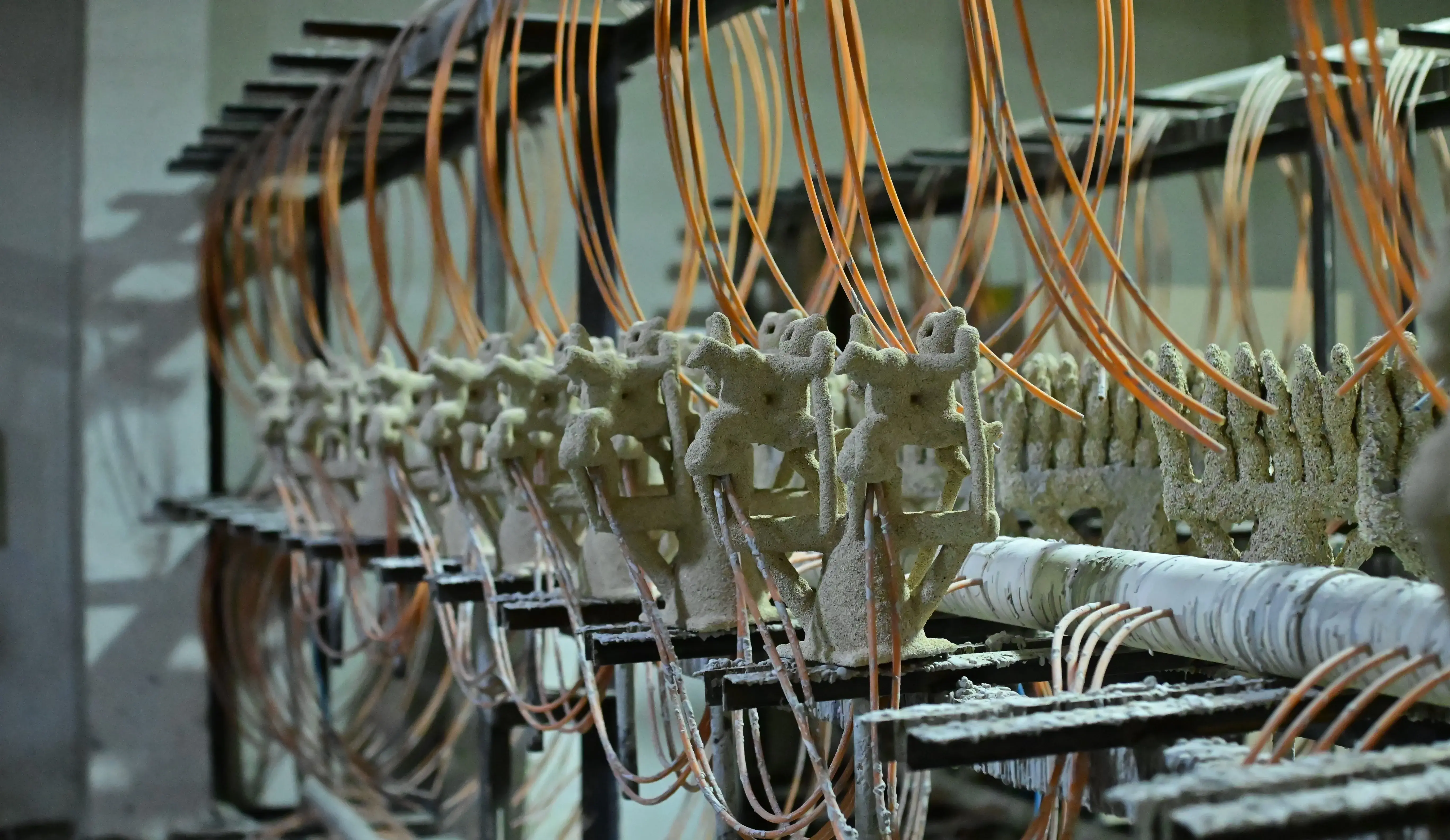
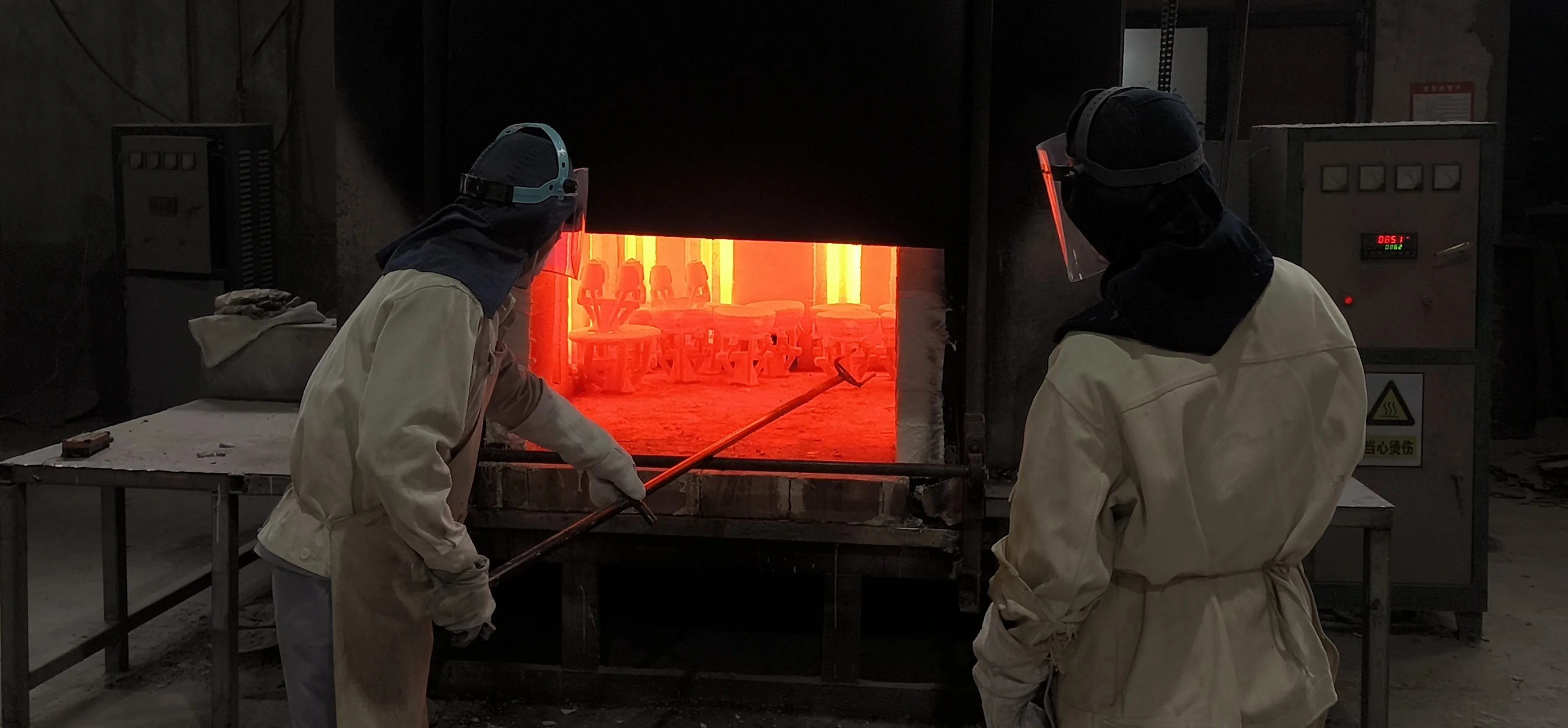
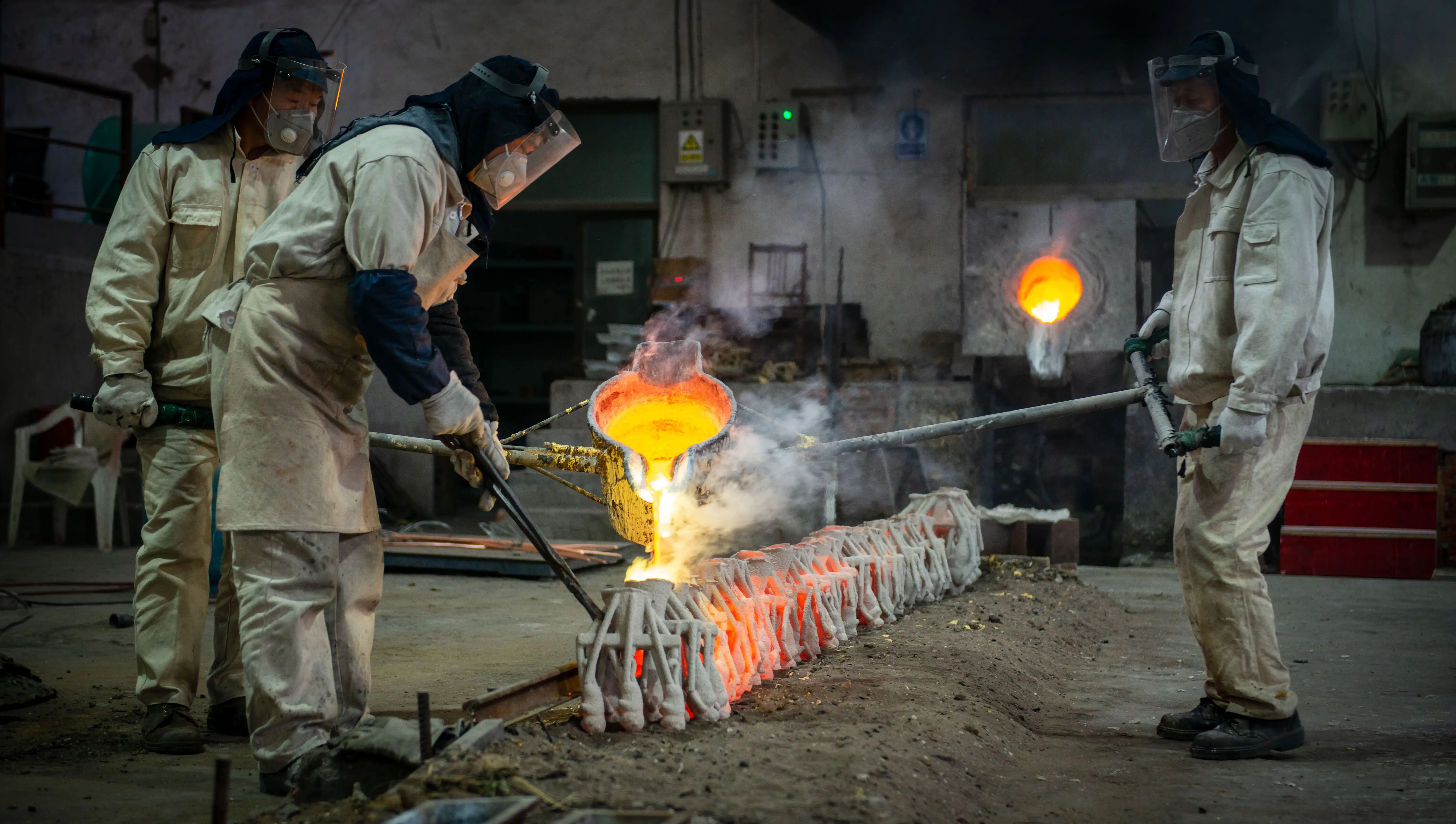
Flexible molds are used to reproduce wax patterns from the original model. The wax patterns are refined, assembled with gates and runners, and coated with successive layers of colloidal-silica-bonded refractory slurry and ceramic stucco to form a heat-resistant shell. After dewaxing and firing, the preheated shell is filled with molten bronze or another selected copper alloy.
Small- and medium-scale sculptures, repeated figures and components, complex relief and ornament, hollow forms, devotional works, art objects, and projects requiring consistent reproduction across an edition or production batch.
We adapt the mold, wax, gating, and shell-building approach to the artwork, balancing detail reproduction with practical production across individual works, editions, and groups of related components.
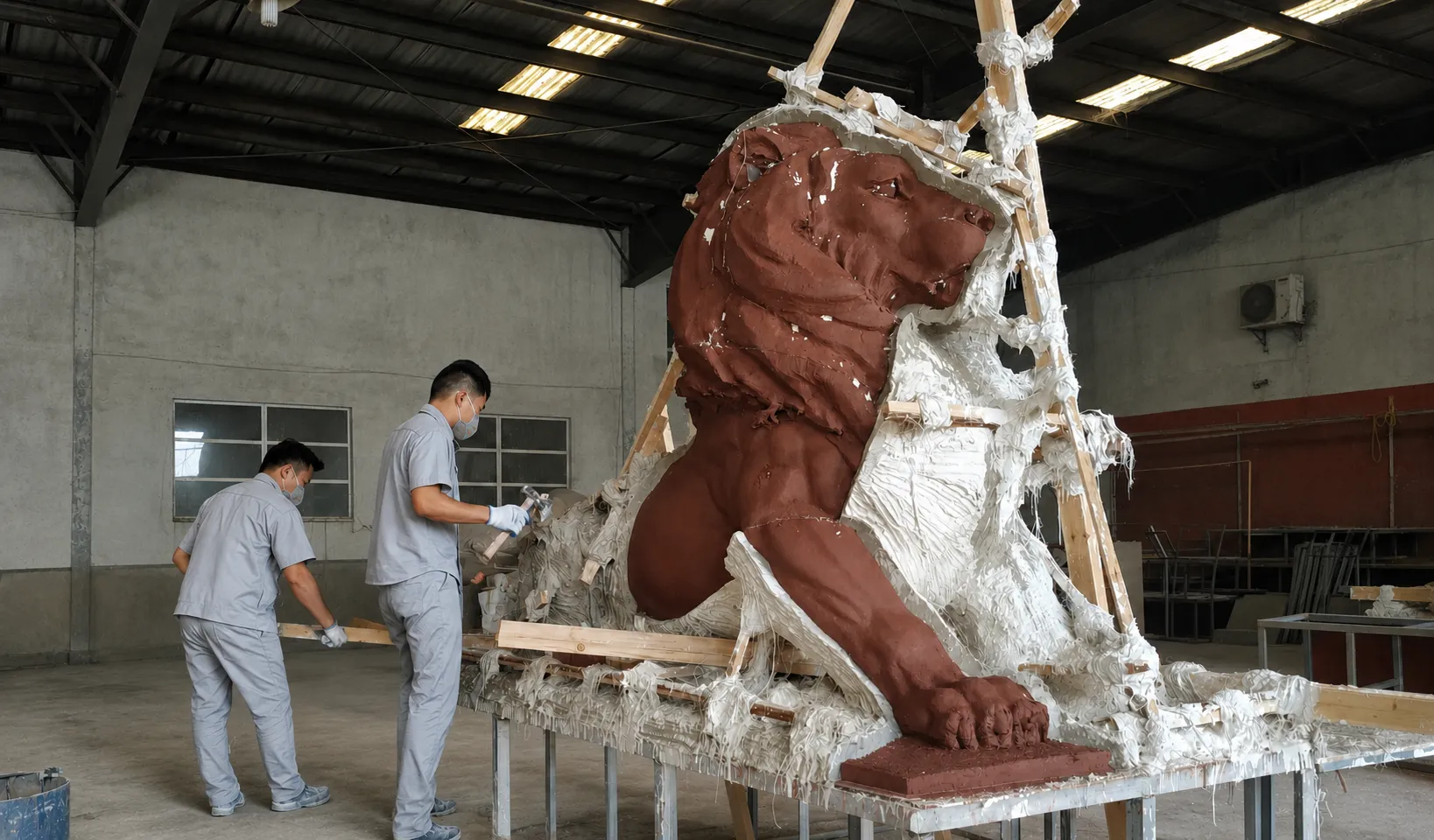
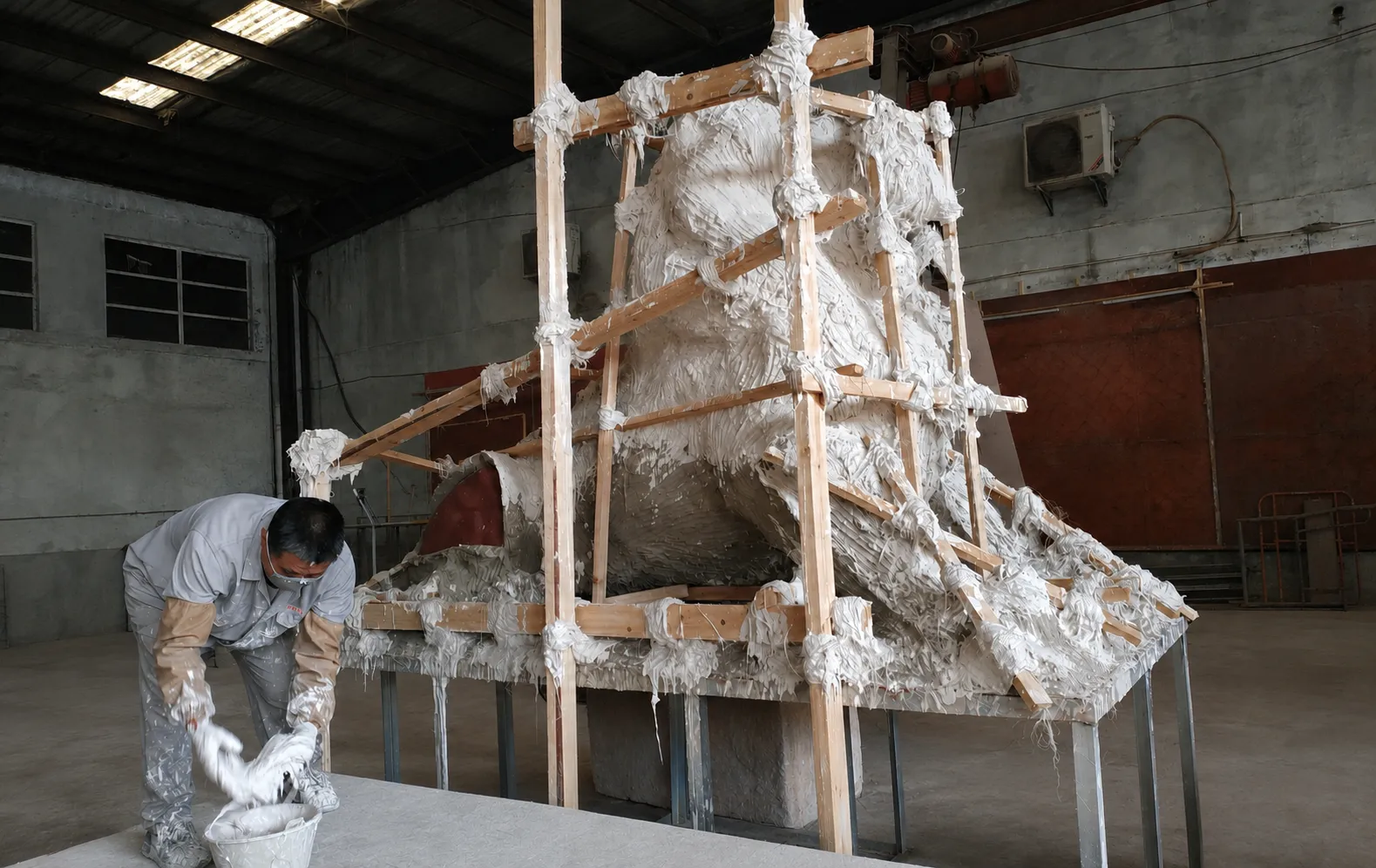
These images show sectional mold making, wax reproduction and refinement, ceramic shell building, drying, firing, and bronze pouring within a lost-wax casting workflow.
.webp)
-optimized.webp)
Share your project type, scale, location, and timeline. We will review the possible production path and next steps.