
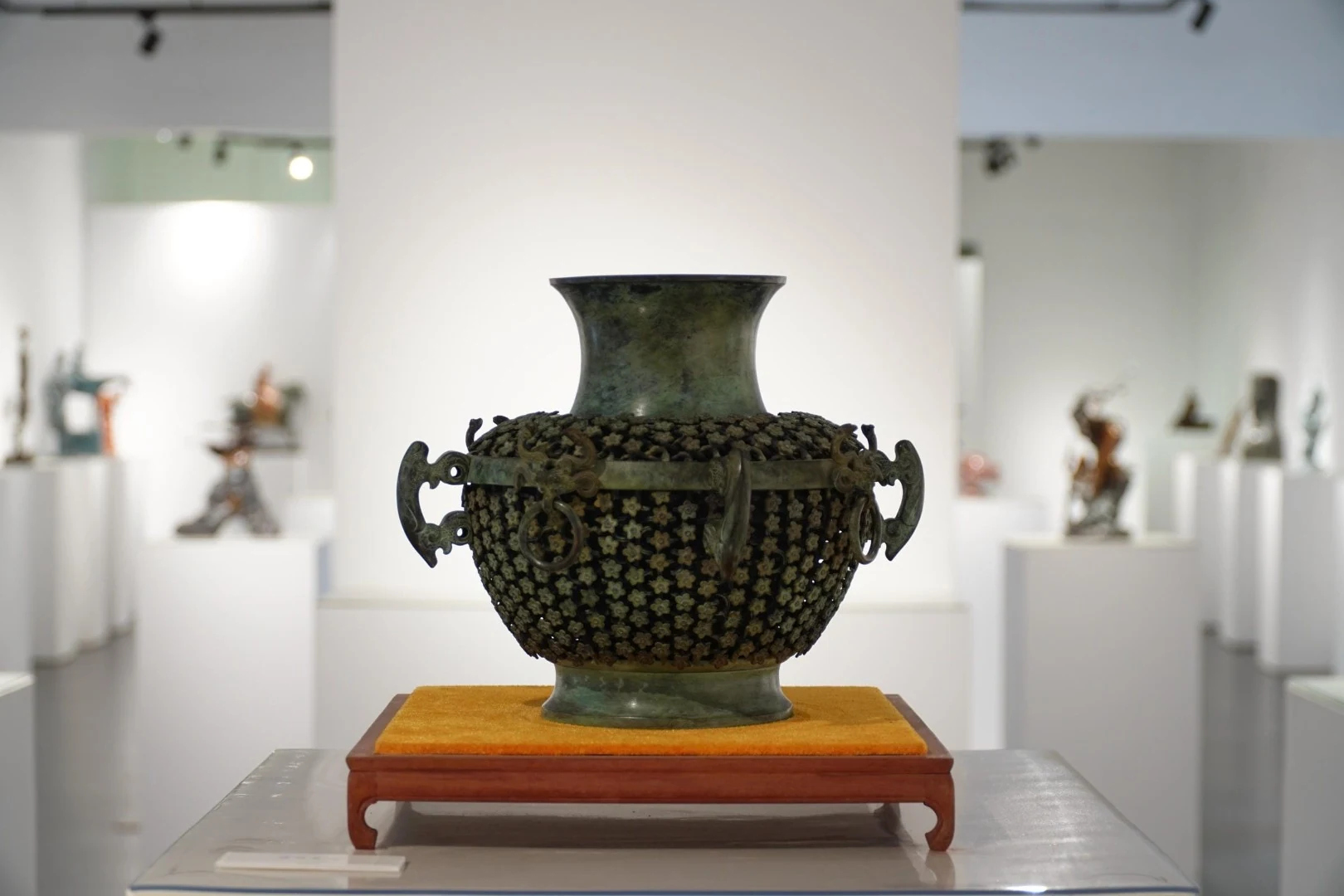
Chen Zhang Hu
We connected imaging, digital modelling and lost-wax making to study and reproduce the Chen Zhang Hu’s intricate structure.
History of the original
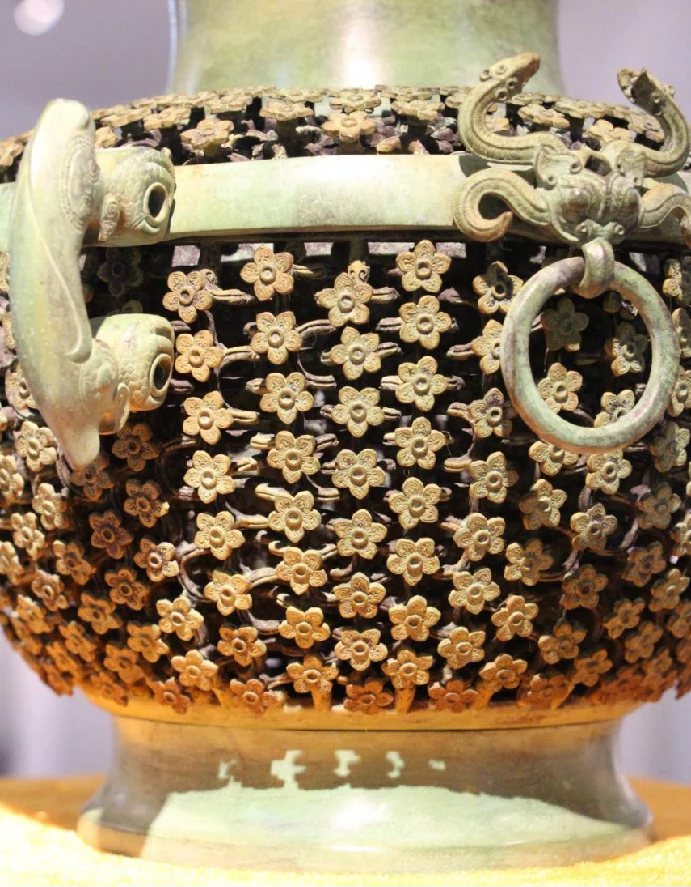
This study concerns the round Chen Zhang Hu, a Warring States bronze with gold and silver inlay and an openwork outer network. Excavated at Nanyaozhuang in Xuyi, Jiangsu, in 1982, the original is held by Nanjing Museum. Its metalwork invites close technical study, while its inscriptions connect it with the historical conflict between Qi and Yan.
Our practice
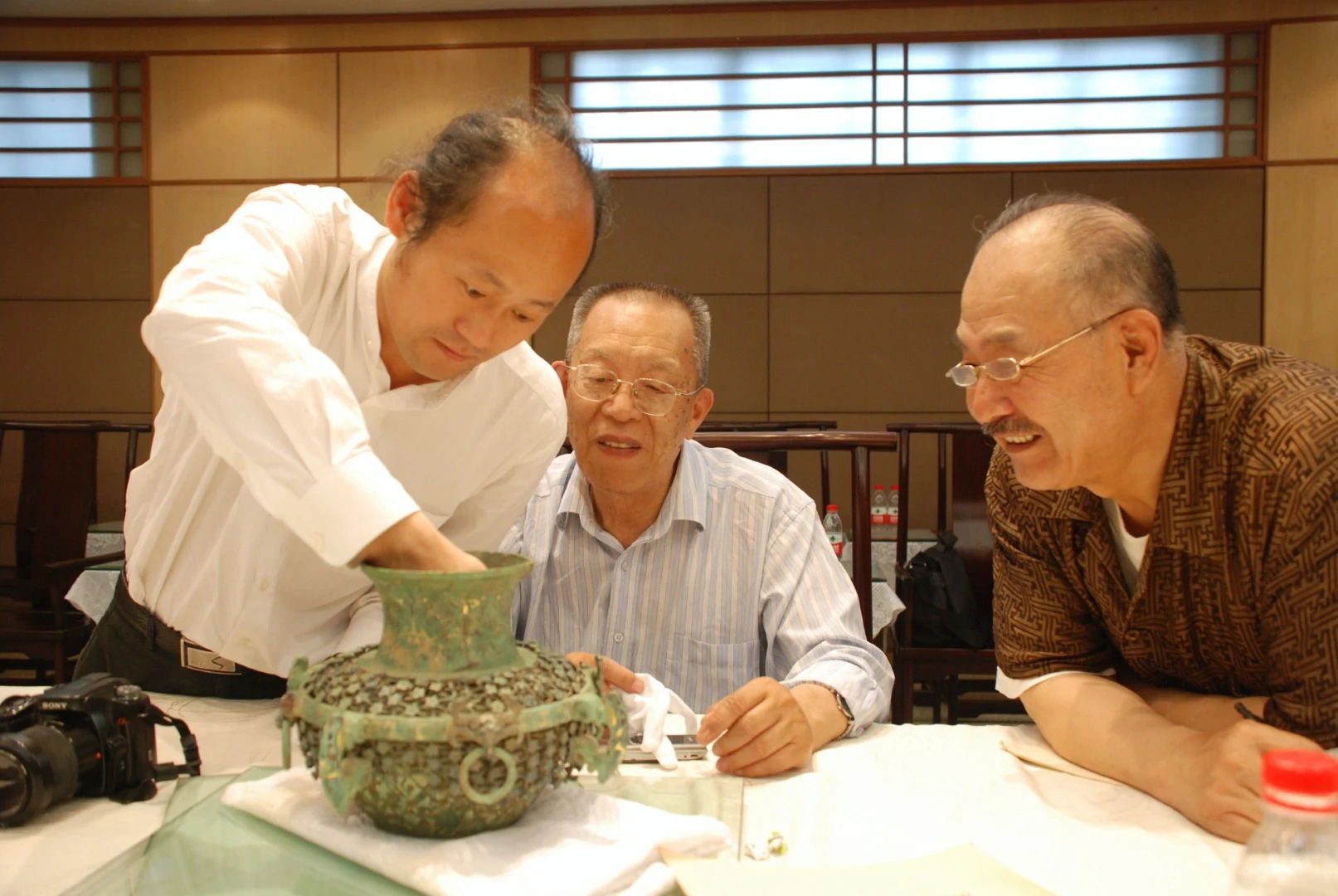
Reproducing the Chen Zhang Hu gave us an opportunity to study the structure of a complex historic bronze. We connected CT records, studies of its joints and digital models with work in wax and metal. The layered openwork and component connections demanded close attention throughout, bringing research and making into an ongoing dialogue.
Theme
Object research and reproduction
Methods
CT records, structural studies and digital models
Reproduction
Lost-wax casting and hand refinement
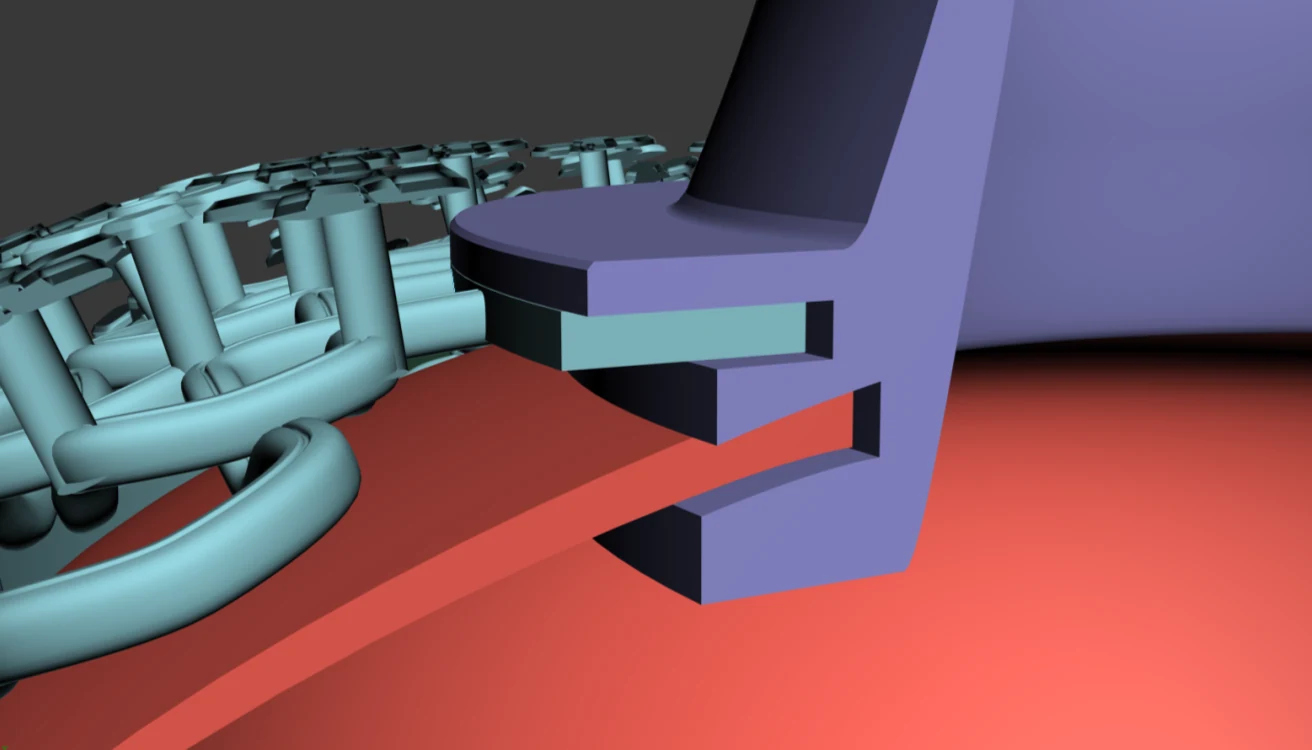
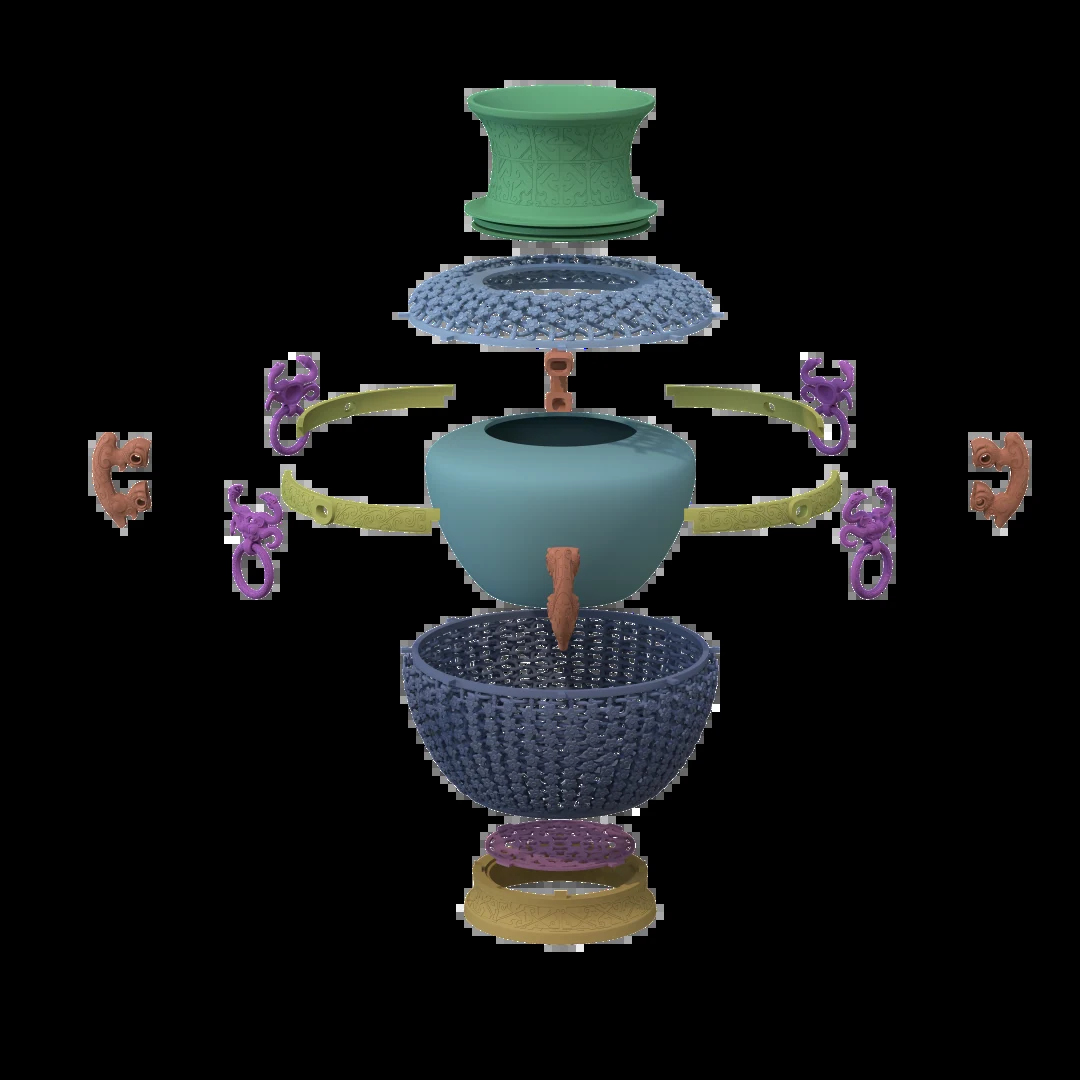
Understanding the connections
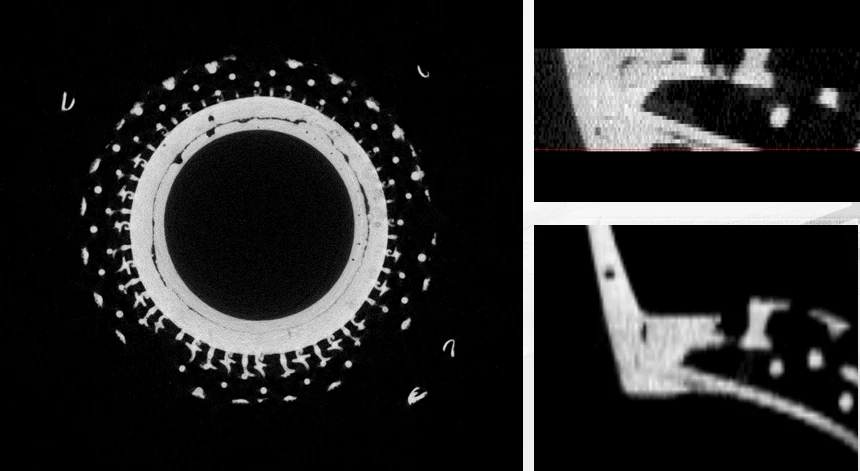
We used CT records, studies of connection details and an exploded digital model to examine the relationship between the vessel, its outer network and the connecting components. Imaging and models offered views that surface observation alone could not provide.

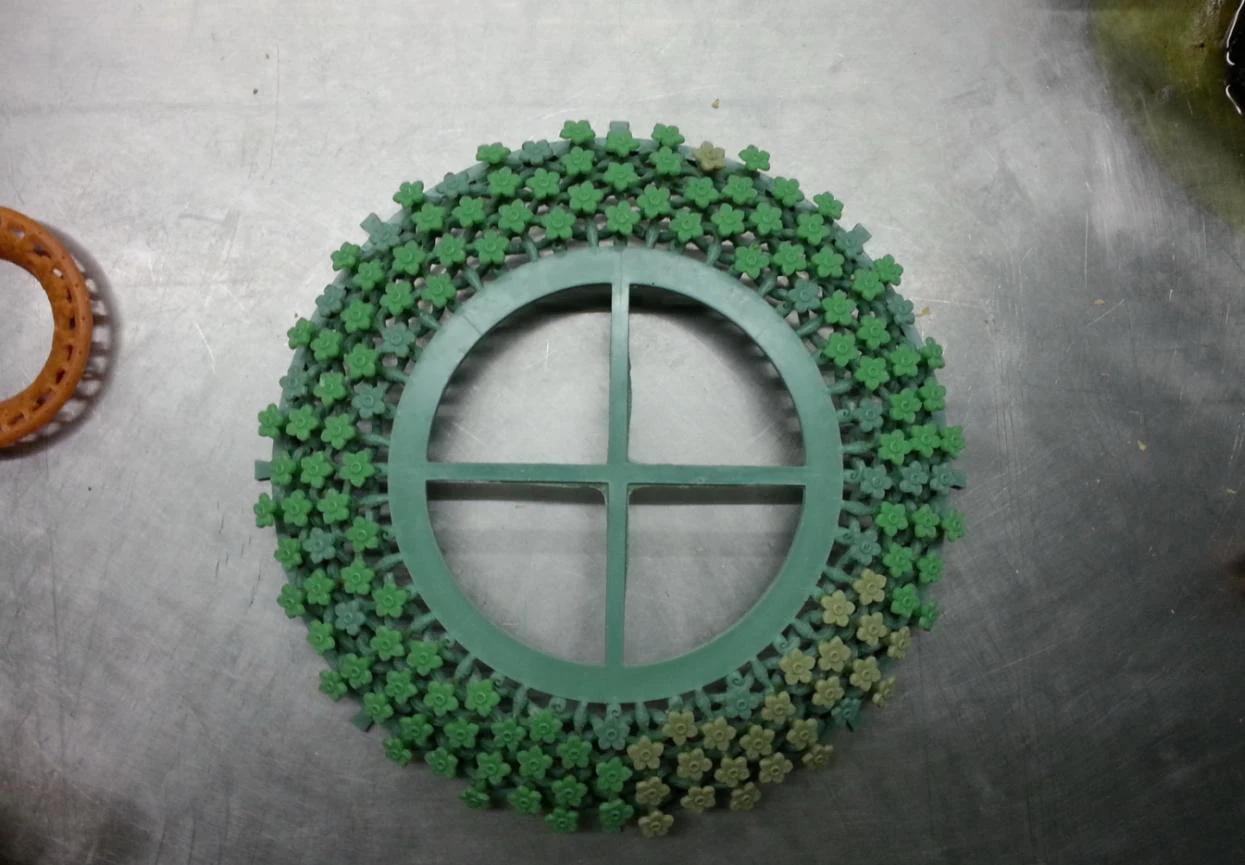
Developing the structure in wax
We brought our structural understanding into wax, considering the shape, layers and connections of the openwork. Digital modelling helped us organise the complexity, while hand refinement addressed the individual details.
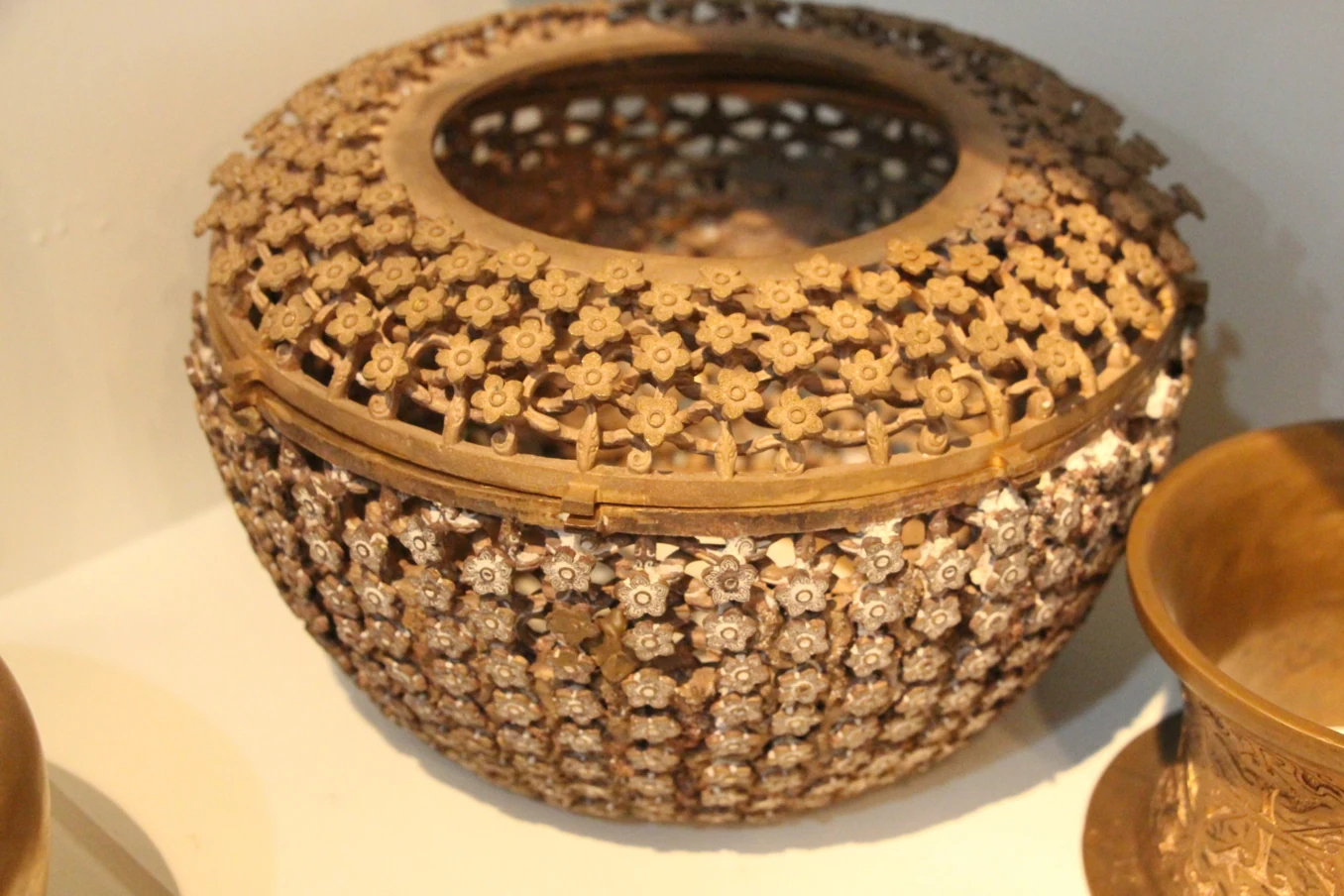
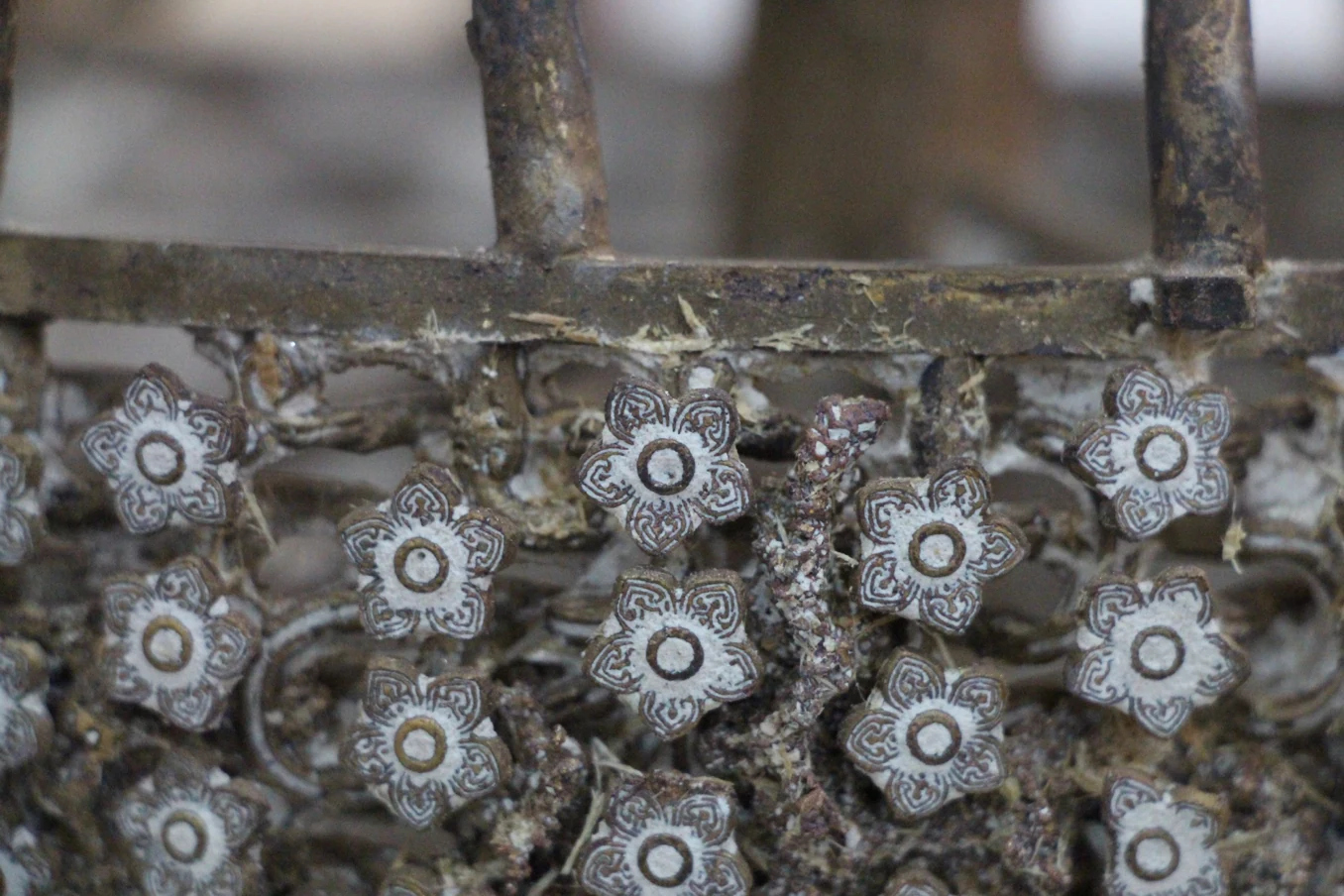
Following the detail into metal
We used lost-wax casting for the reproduction, carrying the wax forms into metal and returning to the overall form and its ornament. The completed reproduction also gives us a tangible focus for further study and conversation.
The methods described here concern our reproduction. Identifying the original vessel’s casting process remains a separate research question.