

Traditional Lost-wax Casting
Through the Four Joys figures, we share the material knowledge and hand skills behind wax modelling and clay mould preparation.

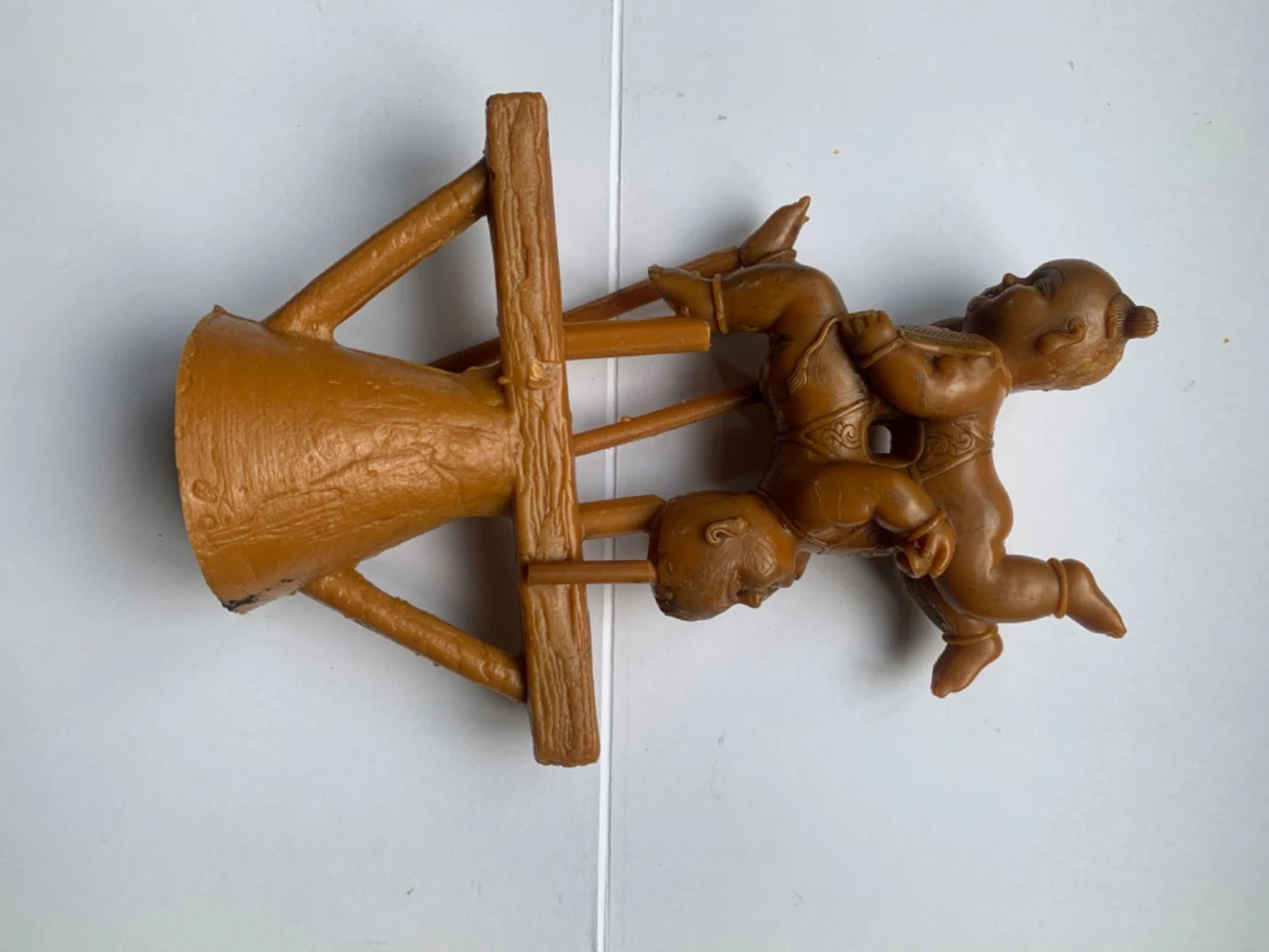
The motif and its cultural context
The Four Joys design combines two children’s heads with four joined bodies, expressing wishes for happiness and harmony. Tongling Daily describes the city’s public sculpture of the same subject as an enlarged reproduction of a historic bronze held by the local cultural heritage authorities. The motif connects an auspicious image with familiar city life.
Our practice
We pass on traditional lost-wax casting through everyday practice. Making the Four Joys figures involves decisions about materials and form at each stage, from the armature and clay core to wax application and carving. Zheng Dongping and the team share that judgement through demonstration, discussion and adjustment. These records focus on preparation, wax modelling and clay coating before casting.
Theme
Craft heritage
Study
Four Joys figure making
Record
Preparation, wax modelling and coating
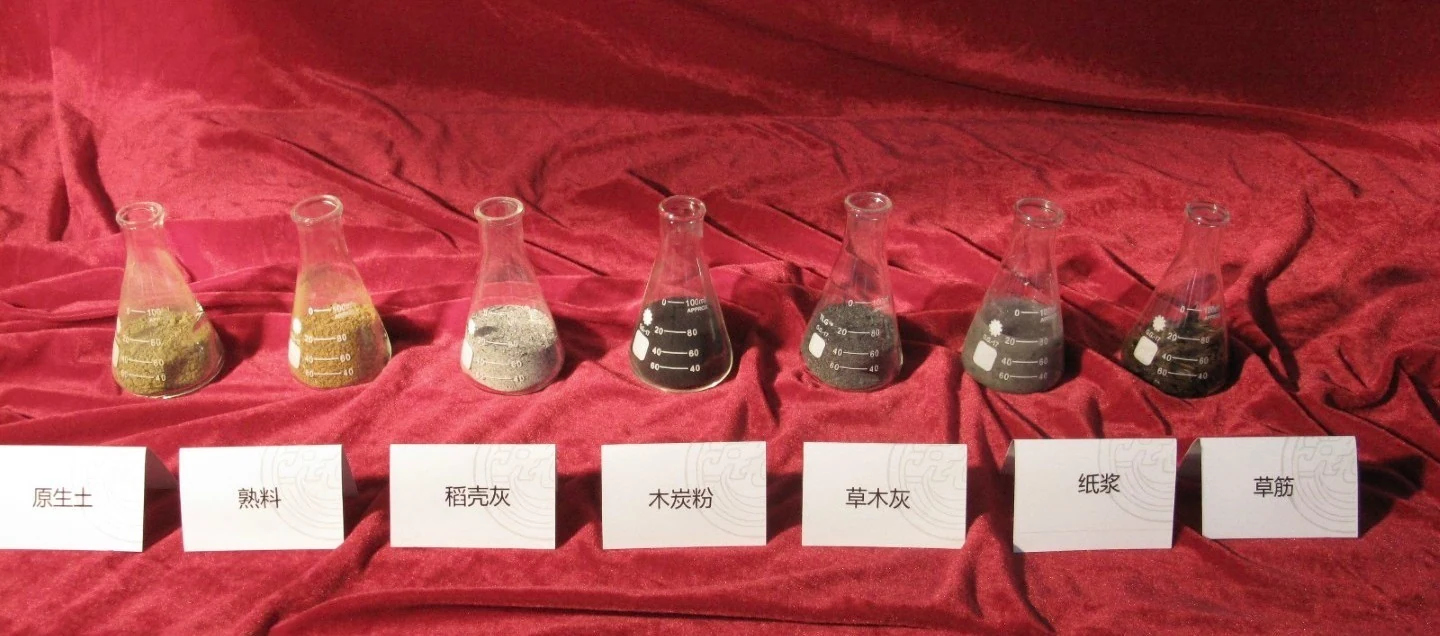
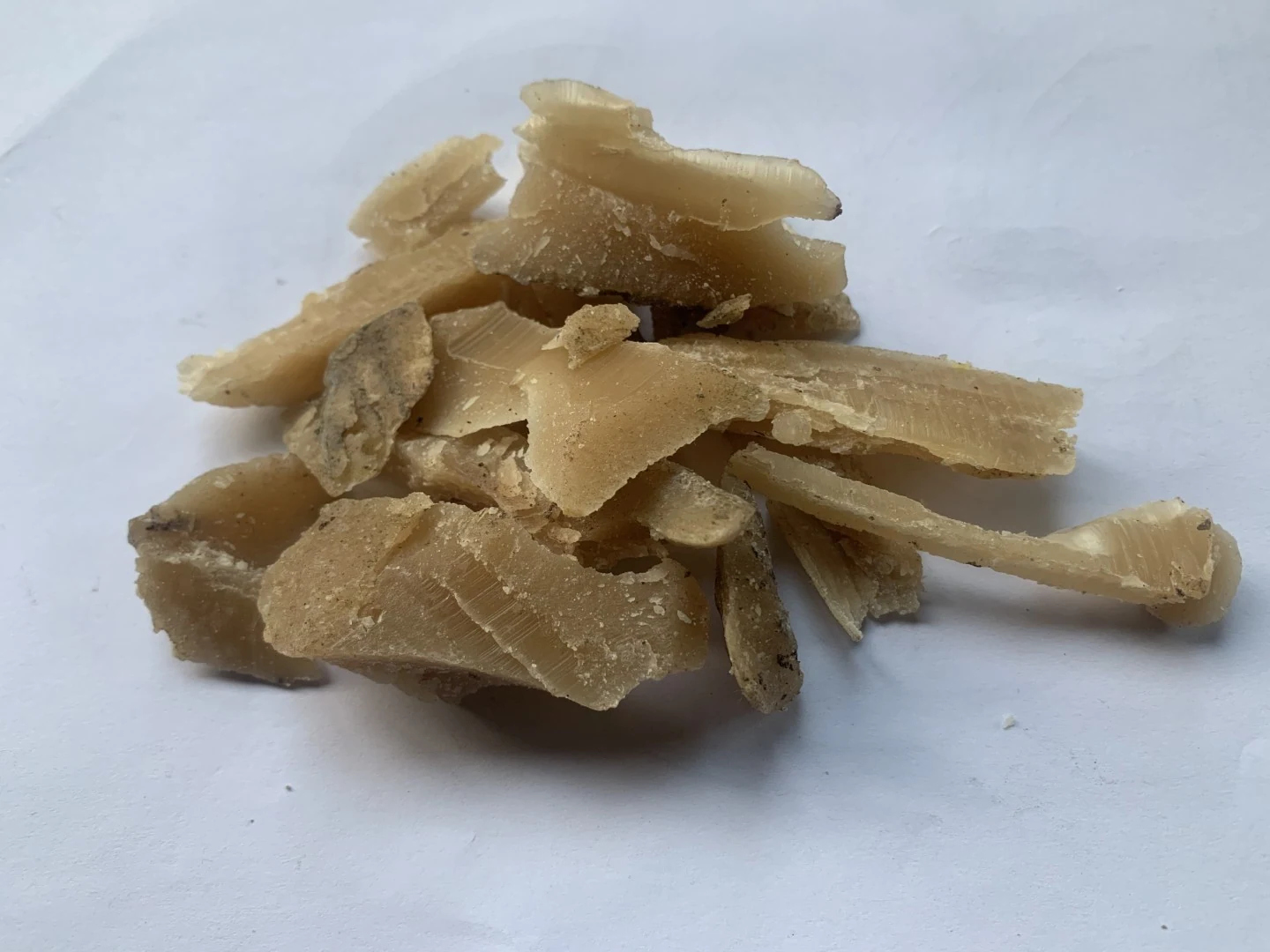
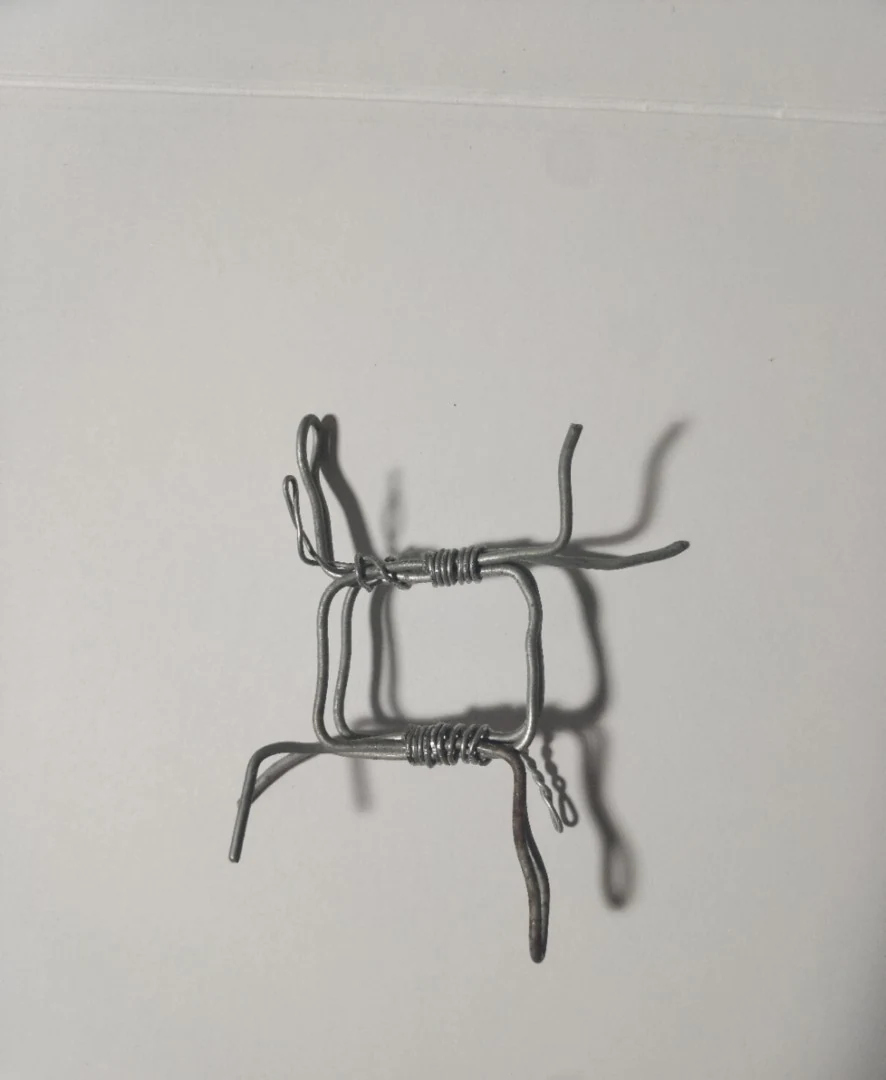
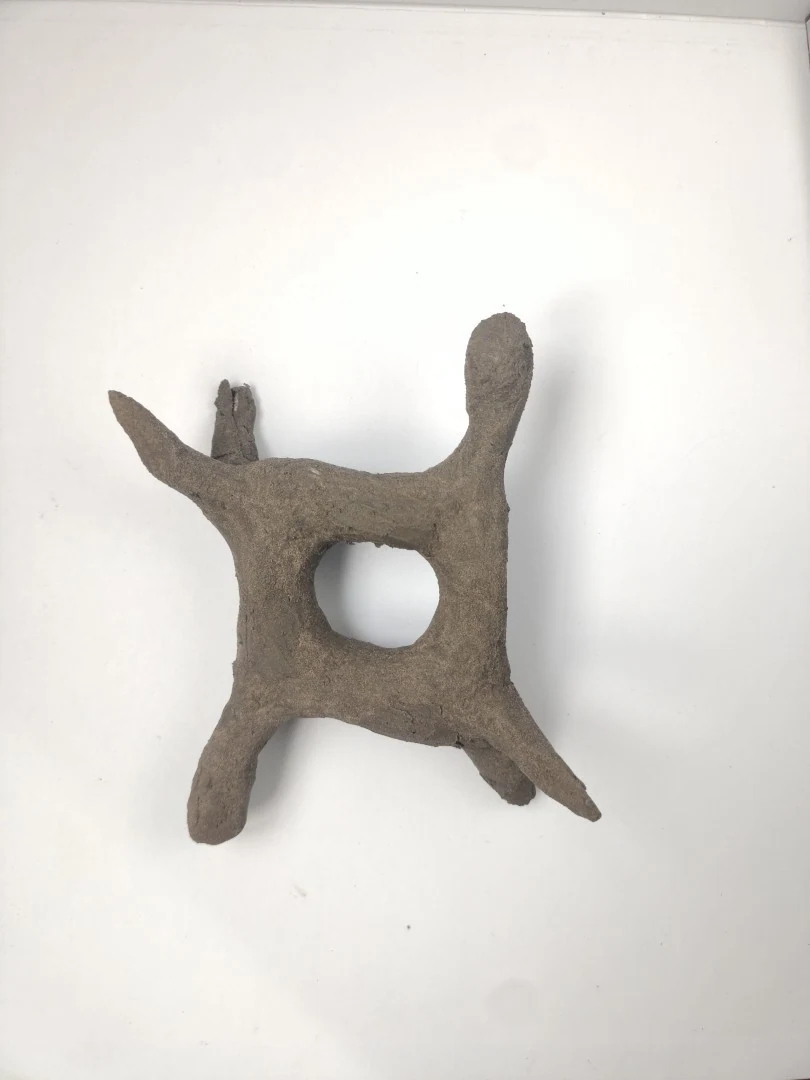
Beginning with materials and the clay core
We begin with wax and clay materials and an internal armature. Material choices support the later modelling and carving, while the clay core and armature establish the structure beneath the visible form.

Building the form in wax
We apply wax to the clay core, build the shape and work on contours and details. Hands and eyes work together, moving between the complete figure and small adjustments to its surface.

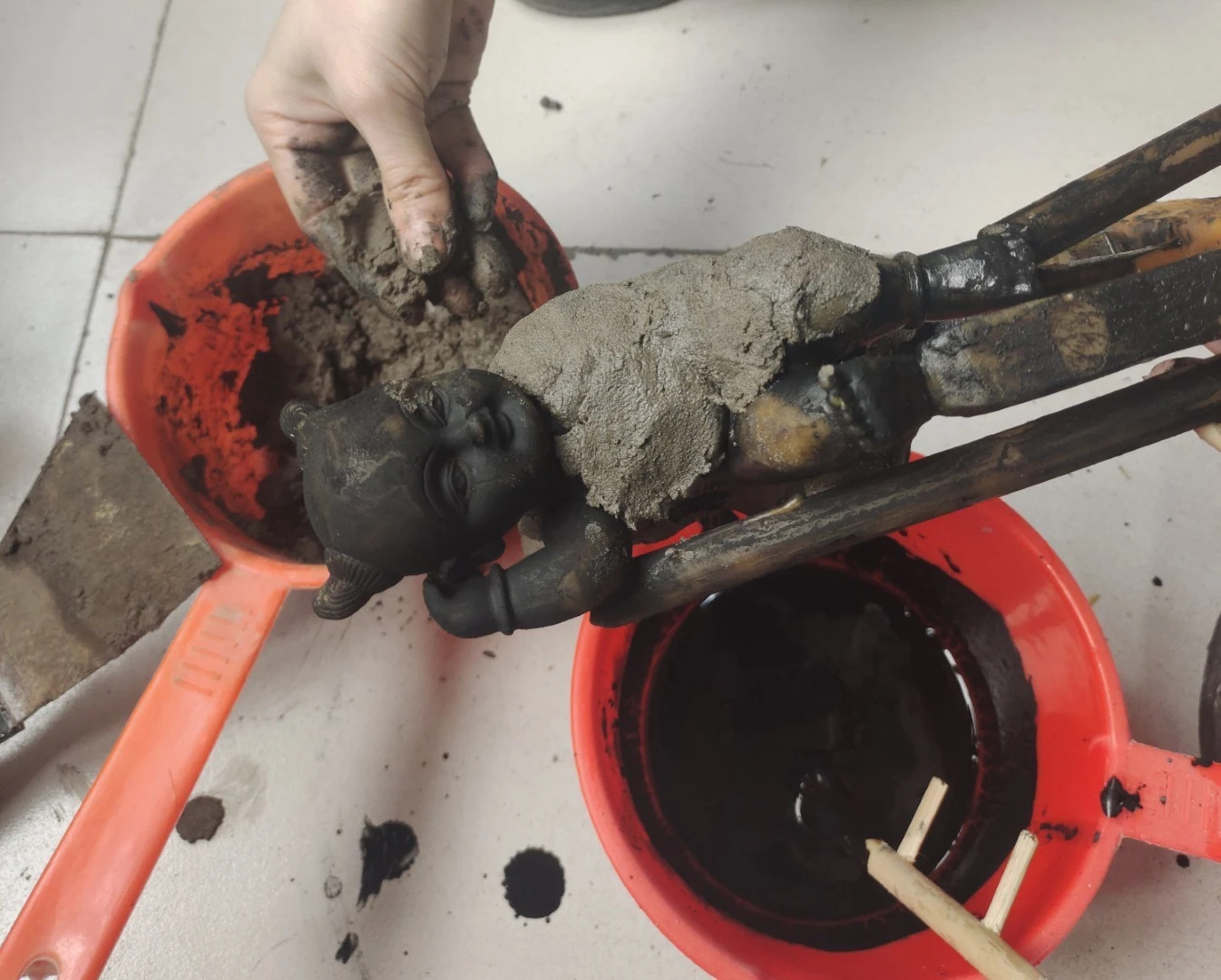
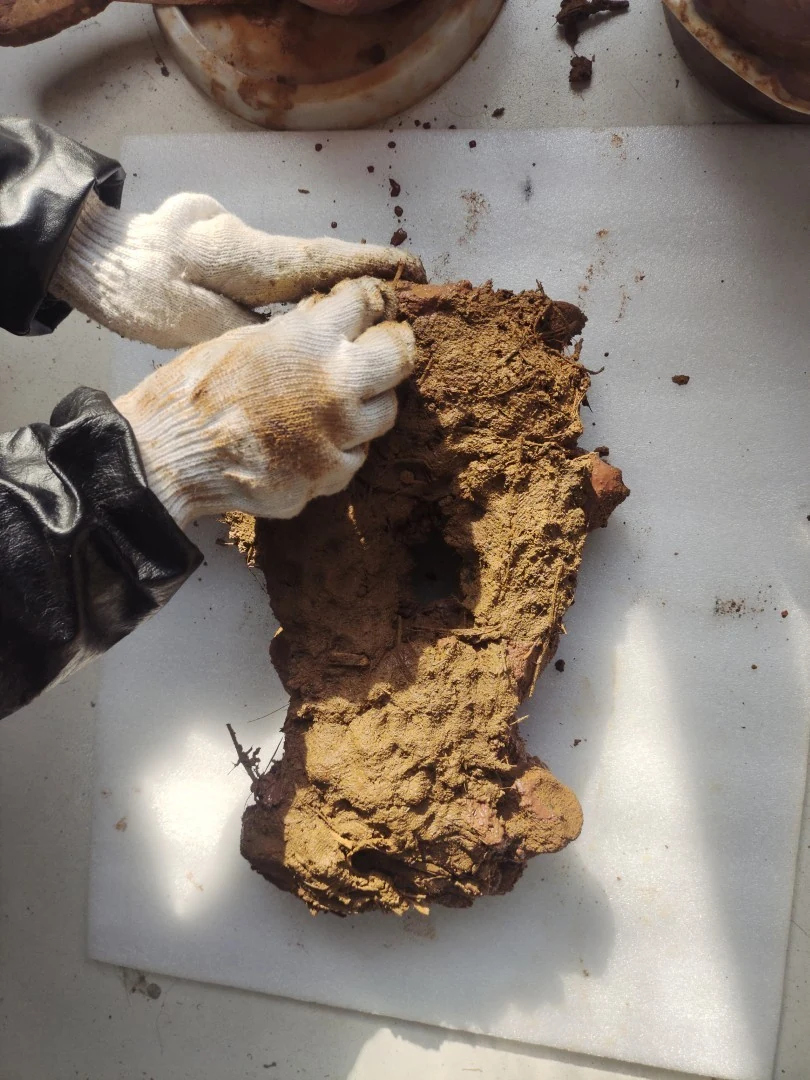
Casting channels and clay coating
We prepare the casting channels and apply successive clay layers. Fine clay and an outer layer incorporating straw serve different roles, requiring attention to the wax model’s surface, shape and structure.